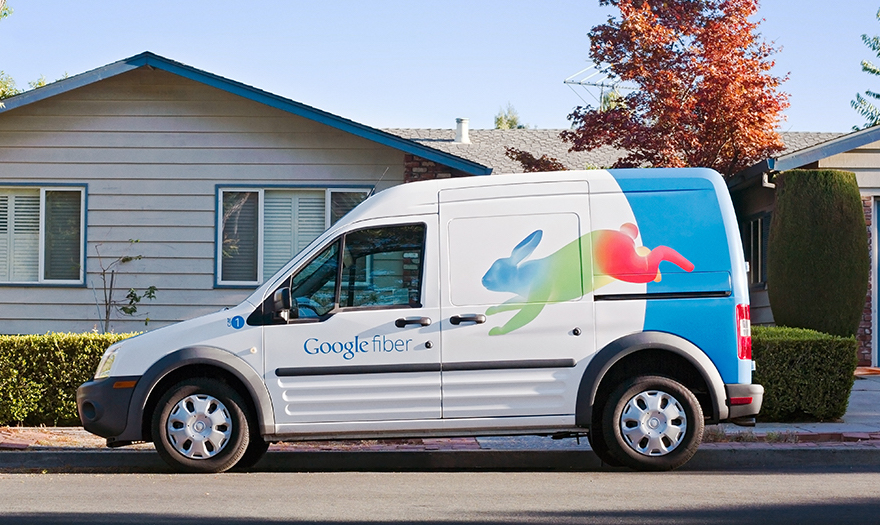
End of an Era for Google's ISP Ambitions
Alphabet has agreed to sell its majority stake in GFiber, formerly known as Google Fiber, to private equity firm Stonepeak. The fiber internet service provider will be merged with Stonepeak's existing portfolio company, Astound Broadband, creating what the companies describe as a leading independent fiber provider in the United States.
The deal marks the effective end of one of Google's most ambitious infrastructure experiments. Google Fiber launched in 2012 with the bold promise of bringing gigabit internet to American cities at a time when most consumers were stuck with far slower connections from incumbent cable providers. The service debuted in Kansas City and quickly expanded to a handful of other markets, delivering speeds that were revolutionary for the era.
From Moonshot to Managed Exit
Google Fiber's trajectory followed a pattern familiar to many of Alphabet's ambitious projects. After an aggressive initial expansion that shook the broadband industry and forced competitors to improve their own offerings, the company began scaling back in 2016. That year saw layoffs affecting nine percent of staff and a pause on plans for ten additional cities.
The reasons for the pullback were largely economic. Building fiber-optic infrastructure requires enormous capital expenditure, with costs running into the tens of thousands of dollars per mile of cable laid. Unlike Google's core advertising business, which generates revenue at near-zero marginal cost, fiber deployment is a capital-intensive, neighborhood-by-neighborhood grind with long payback periods.
Despite the slowdown, GFiber continued operating in its existing markets and even selectively expanded in recent years. The service maintained a reputation for reliable, high-speed connectivity and competitive pricing, winning loyal customers in markets like Austin, Nashville, and Charlotte.

Creating an Independent Fiber Giant
The merged entity will combine GFiber's fiber-optic footprint with Astound Broadband's existing cable and fiber operations. Astound, which Stonepeak acquired in recent years, operates under several regional brands and serves customers across multiple states. The combination creates a geographically diverse provider with both the fiber infrastructure that represents the future of broadband and the cable systems that continue to serve millions.
Stonepeak specializes in infrastructure investments, making the fiber ISP business a natural fit for its portfolio. The firm has significant experience managing long-lived physical assets that generate steady cash flows, which aligns with the economics of fiber-optic networks that can serve customers for decades once the initial construction is complete.
Alphabet will retain a minority stake in the combined company, maintaining some financial upside while shedding the operational responsibilities and capital requirements of running an ISP. The deal is expected to close in the fourth quarter of 2026, subject to regulatory approvals.
Market Impact and Consumer Implications
For existing GFiber customers, the transition raises questions about service continuity and pricing. The companies have indicated that the merged provider will continue operating existing networks and honoring current service agreements. However, the shift from a technology giant's portfolio to a private equity-owned entity could eventually lead to changes in pricing strategy and investment priorities.
The broader broadband market has changed dramatically since Google Fiber's debut. Major cable operators have upgraded their networks to deliver gigabit speeds, and fiber deployment by traditional telephone companies like AT&T and Verizon has accelerated significantly. The competitive pressure that Google Fiber helped create continues to benefit consumers even as the company itself steps back from direct competition.
Industry analysts note that the deal reflects a maturation of the fiber broadband market. What began as a technology company's disruptive experiment has become a mainstream infrastructure business better suited to investors with patience for long-term, asset-heavy operations. The sale price was not disclosed, but the combined company will have significant scale to compete in an increasingly fiber-focused broadband landscape.
This article is based on reporting by Ars Technica. Read the original article.

Originally published on arstechnica.com


