Meta’s wearable strategy may be broadening fast
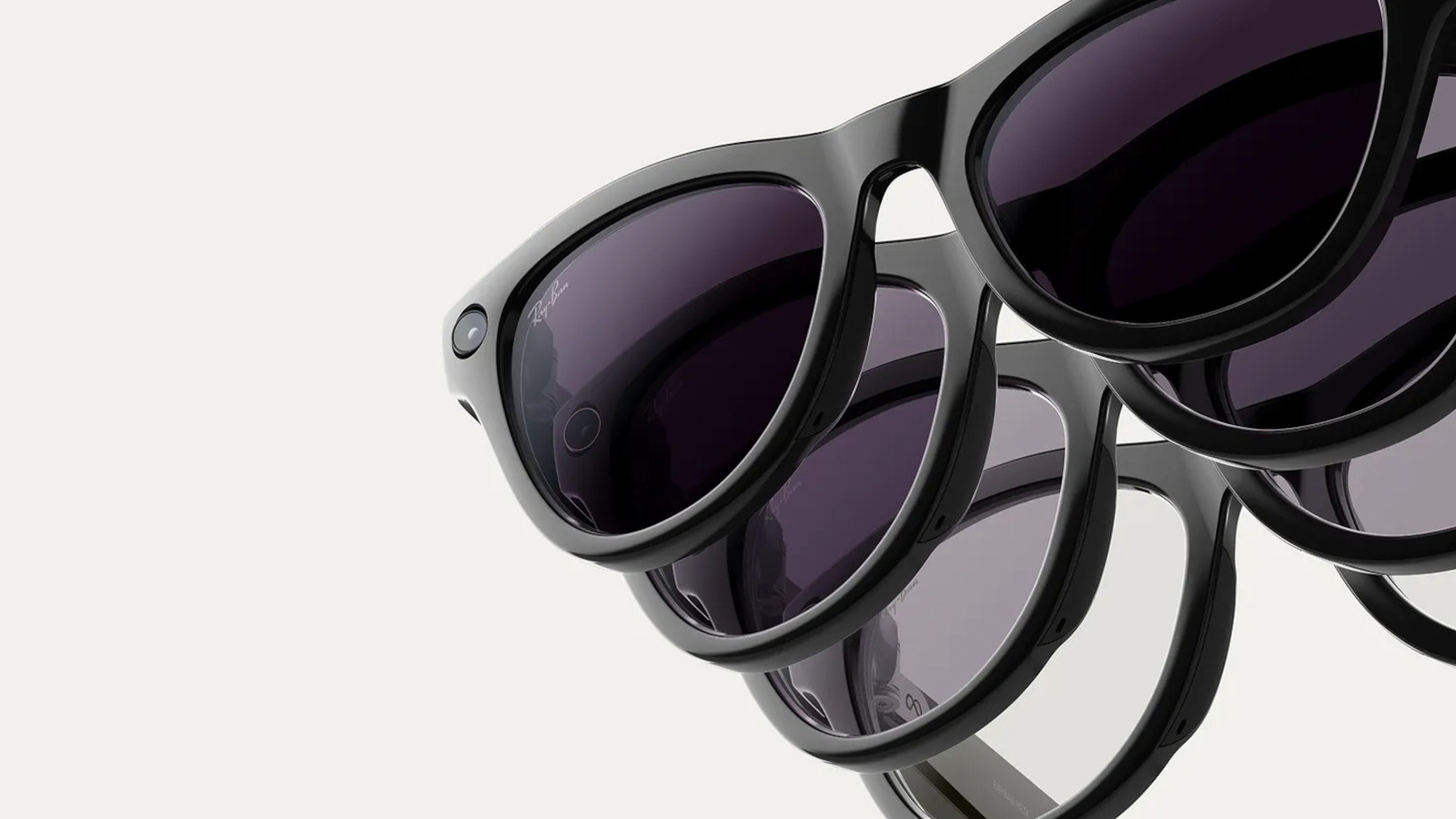
Meta is reportedly preparing a much larger wearable AI lineup than previously understood. According to an Engadget report citing The Information, the company is developing an AI pendant, testing it over the coming year, and planning to release up to four additional smart-glasses models before the end of 2026.
Because Meta has not confirmed the report, the story remains unverified at the product level. But the details described in the supplied source text fit a broader strategic logic: Meta wants more people using its AI systems through hardware that stays close to the body, remains available throughout the day, and can anchor recurring subscription revenue.
The reported hardware roadmap
The source text says Meta’s work on an AI pendant follows its 2025 acquisition of Limitless, whose product was a clip-on Bluetooth microphone called Pendant. That device continuously listened to and recorded what the user said or heard in order to generate summaries, transcripts, and searchable memory logs.
Engadget’s report also says Meta is preparing several smart-glasses models, with internal codenames including Modelo, Luna, RBM2 Refresh, and Mojito VIP. Additional future models, Artemis and SSG, were reportedly being tested as well. The common thread is not just eyewear, but AI-native interfaces meant to make Meta’s models more persistent in daily life.

Subscriptions appear central
The most revealing part of the report may be the business model. According to the source text, Meta is planning a business-focused subscription called Wearables for Work and wants its devices to drive usage of its AI systems, including a still-unreleased consumer agent called Hatch. The report also says Meta leadership is aiming to push more users toward paid subscriptions.
That matters because it frames wearable hardware less as a standalone gadget business and more as a distribution layer for software, services, and recurring fees. If accurate, the strategy would mirror a broader shift across big tech: build the device, but monetize the ongoing assistant, cloud features, and enterprise tools attached to it.
Why a pendant changes the conversation
Smart glasses are already a familiar category in Meta’s hardware efforts. A pendant is different. It suggests a more ambient form of AI, one built around passive capture, memory, and always-on context. That could be useful in work settings, accessibility scenarios, and personal organization. It also raises obvious questions around privacy, consent, and how much continuous recording users and bystanders are willing to accept.
Those concerns are not theoretical. The source text describes the inherited Limitless concept as a device that listens to and records everything around the wearer during the day. Any company turning that concept into a mainstream product would face scrutiny from regulators, workplaces, and the public.

Ambition and risk
The report says Meta’s internal goal is to sell 10 million wearables in the second half of 2026 and sign up at least 10 companies for Wearables for Work. Those are aggressive numbers, especially for a category that still sits between novelty and habit-forming utility.
Even so, the plan would be consistent with Meta’s need to show that AI hardware can become more than a cost center. Reality Labs has posted major losses, and wearables remain one of the clearest ways for the company to bind its AI services to a physical product that users keep with them.
What is confirmed and what is not
- Confirmed by the supplied text: Engadget reported claims from
The Information about Meta’s internal wearable plans.
- Not confirmed by Meta in the supplied material: the AI pendant, product schedule, and subscription rollout.
- Strategically clear either way: Meta is being described as treating wearables as a key channel for AI adoption and monetization.
Until Meta announces products directly, these plans remain reported rather than official. But if even part of the roadmap proves accurate, the company is preparing to make wearable AI a much larger part of its consumer and enterprise business.
This article is based on reporting by Engadget. Read the original article.
Originally published on engadget.com


