विश्वातील सर्वात जुना प्रकाश
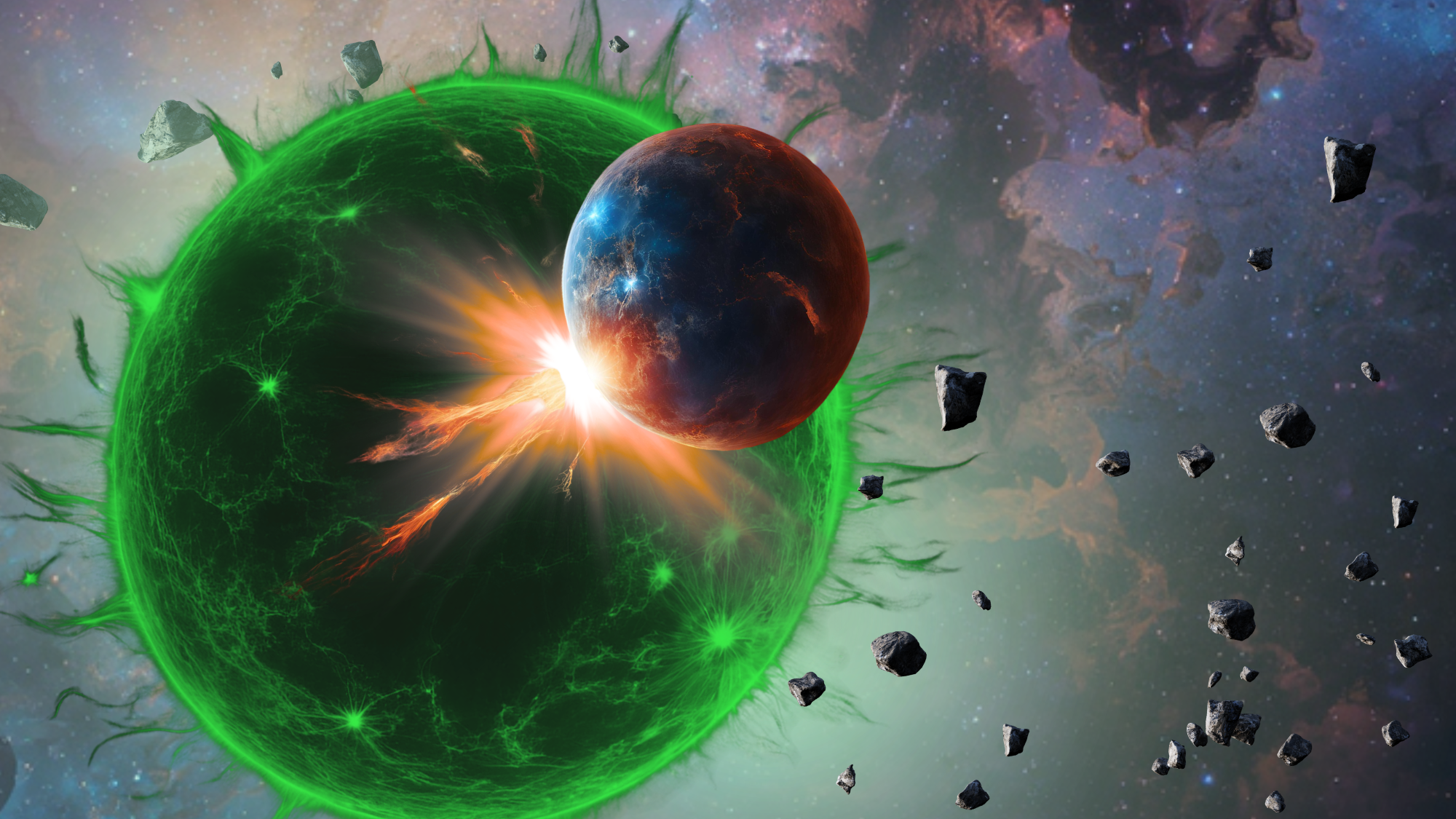
जेव्हा एक विशाल तारा न्यूट्रॉन तारे किंवा कृष्ण विवरात कोसळतो, तो न्यूट्रिनोचा विस्फोट सोडतो जो इतका तीव्र असतो की दूरच्या आकाशगंगेतील तारकीय विस्फोट अरबों प्रकाशवर्ष अंतरावर शोधण्यायोग्य संकेत पाठवू शकतो. 1987 मध्ये Large Magellanic Cloud — आमच्या शेजारी असलेली आकाशगंगा जी 168,000 प्रकाशवर्ष दूर आहे — येथून सुपरनोव्हाचे न्यूट्रिनो शोधले जाणे हे astrophysics मधील एक ऐतिहासिक क्षण होते, जिने विश्वाच्या सर्वात हिंसक घटनांपैकी एकवर निरीक्षणाची नवीन खिडकी उघडली.
परंतु वैयक्तिक जवळच्या सुपरनोव्हाचे दुर्लभ आहेत. बहुतेक तारकीय मृत्यू cosmological अंतरावर, विश्वाच्या संपूर्ण 13.8-बिलियन-वर्ष इतिहासात घडल्या आहेत. त्यांच्या वैयक्तिक न्यूट्रिनो स्फोटांनी, cosmic काळ आणि अंतरावर एकत्रित केल्यावर, विश्वामध्ये परिव्याप्त असलेल्या विरेच न्यूट्रिनोची पार्श्वभूमी तयार केली आहे — अस्पष्ट, सर्व दिशांनून येणारी, आणि संरचना निर्मितीच्या सर्वात लवकरच्या युगापासून वर्तमान दिनांकपर्यंत तारकीय मृत्यूच्या संपूर्ण इतिहासाची माहिती वहन करणारी.
हा विसरित सुपरनोव्हा पार्श्वभूमी विकिरण दशकांपासून सैद्धांतिकदृष्ट्या अपेक्षित होता. त्याचा शोध करणे neutrino astrophysics चे पुढील महान लक्ष्य आहे, आणि गहन भूमिगत शोधकांची नई पिढी त्याचे साधन करण्यात येथे आहे.
तांत्रिक आव्हान
विसरित सुपरनोव्हा पार्श्वभूमी शोधणे असाधारणपणे कठीण आहे. यात समाविष्ट न्यूट्रिनो कमी-ऊर्जा असतात — काही दहा MeV च्या श्रेणीमध्ये — आणि शोधक सामग्रीच्या प्रति हजार मेट्रिक टन प्रति वर्ष कदाचित काही घटनांच्या दरावर येतात. या खरे astrophysical संकेतांना reactor न्यूट्रिनो, atmospheric न्यूट्रिनो, आणि शोधकातील किरणोत्सर्गी क्षयांनी तयार केलेल्या पार्श्वभूमीपासून वेगळे करणे अपार शोधकांची आवश्यकता आहे जी असाधारण शुद्धतेने काम करतात, cosmic किरण पार्श्वभूमीपासून संरक्षण करण्यासाठी गहन भूमिगत खोदल्या जातात.
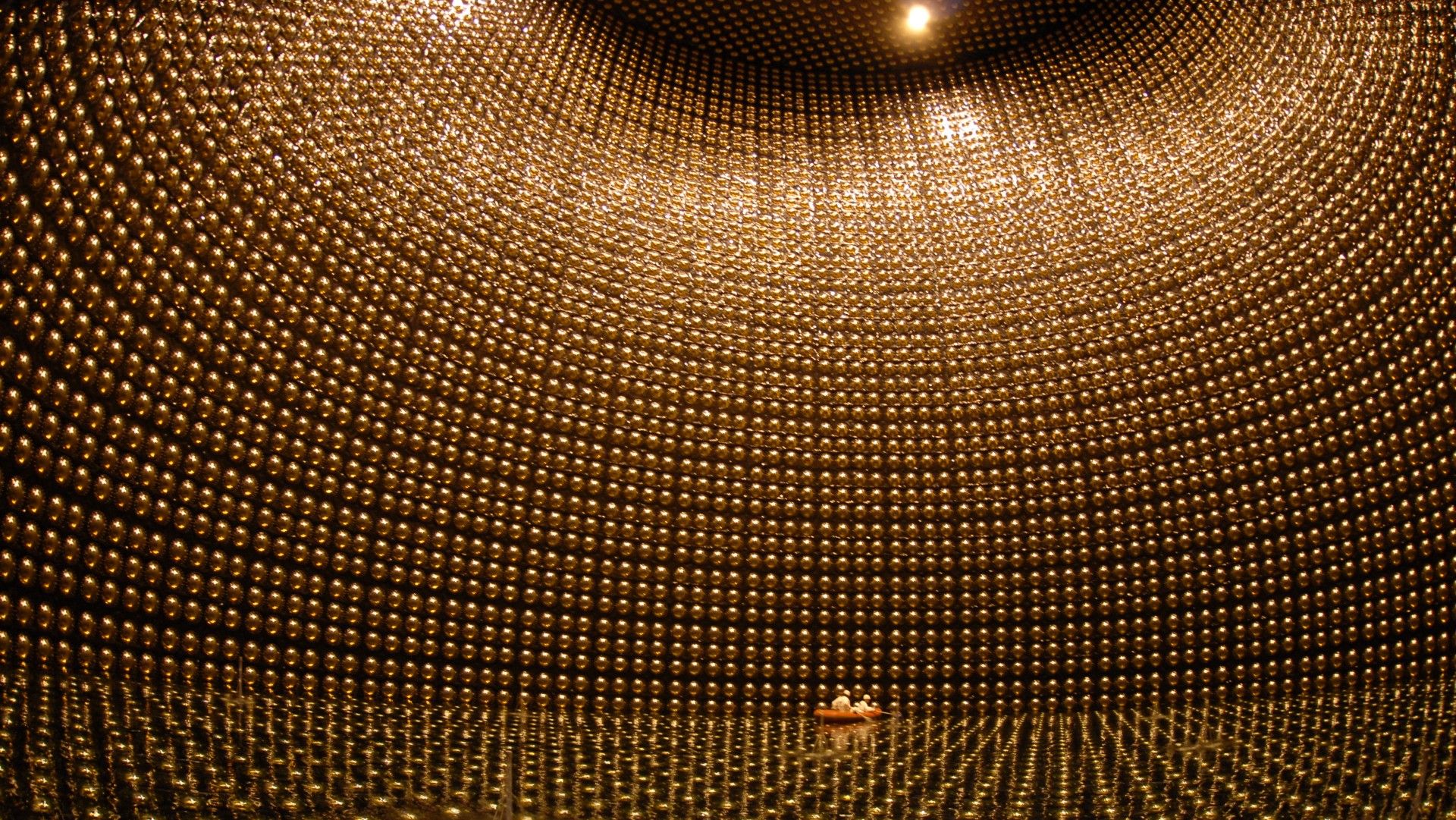
Japan मधील Super-Kamiokande शोधक या शोधातील जागतिक नेता आहे. शोधकच्या पाण्याच्या खंडात gadolinium समाविष्ट करणार्या अलीकडील अपग्रेडने — जे inverse beta decay घटनांमध्ये उत्पादित न्यूट्रॉन ओळखण्याची क्षमता नाटकीयदृष्ट्या सुधारते — शोधक सिग्नल पाहून घेण्यासाठी पर्याप्त संवेदनशीलतेच्या श्रेणीमध्ये आला आहे. अपग्रेडेड शोधकचे प्रारंभिक डेटा अपेक्षित सिग्नलशी सुसंगत उत्तेजक सूचना दर्शवले आहेत, तरी अद्याप निश्चित शोध दावा करण्यासाठी पर्याप्त सांख्यिकीय महत्त्व नाही.

शोध काय प्रकट करेल
विसरित सुपरनोव्हा पार्श्वभूमीचा आत्मविश्वास पूर्वक शोध अनेक महत्वाचे भौतिक मापन मिळवेल. सिग्नलची एकूण तीव्रता cosmological सुपरनोव्हा दर सीमित करते — cosmic इतिहासात प्रति युनिट खंड किती तारकीय मृत्यू घडल्या आहेत. शोधलेल्या न्यूट्रिनोचे ऊर्जा वर्णक्रम त्यांना उत्पन्न करणार्या तारकीय पतनांचे सरासरी गुणधर्माविषयी माहिती प्रदान करते: सरासरी progenitor वस्तुमान, सरासरी पतन गतिशीलता, आणि पतन ज्या black hole विरुद्ध neutron star निर्माण करतात त्या अंश.
हे मापन तारकीय भौतिकशास्त्र, cosmology, आणि घटकांच्या उत्पत्तीतील मूलभूत प्रश्नांवर प्रभाव टाकते. सुपरनोव्हाचे विश्वातील बहुतेक जड घटकांचे प्राथमिक स्रोत आहेत — लोह, निकेल, आणि तारकीय nucleosynthesis मध्ये संश्लेषित आणि सुपरनोव्हा विस्फोटांमध्ये विखुरलेल्या घटकांचे संपूर्ण संच. भूतकाळातील सुपरनोव्हाचा दर आणि गुणधर्म समजून घेणे galactic रासायनिक विकासाचे मॉडेल सीमित करते आणि शेवटी आमच्या अशा ग्रहीय प्रणाली शक्य करणार्या परिस्थितीचा cosmic इतिहास सीमित करते.
शोधकांची पुढील पिढी
Super-Kamiokande चा उत्तराधिकारी, Hyper-Kamiokande — असल्या Japan खिदानमध्ये बांधणार्या शोधकापेक्षा वीस पट मोठा — कार्यक्रम सुरू झाल्यानंतर वर्षांमध्ये उच्च-आत्मविश्वास शोधासाठी पर्याप्त संवेदनशीलता असेल. United States मधील Deep Underground Neutrino Experiment, fluid argon तंत्र वापरून, जलावर-आधारित शोधकांना भिन्न संवेदनशीलता वैशिष्ट्यांसह पूरक करेल, विशेषतः वर्णक्रमच्या निम्न-ऊर्जा भागाला.
एकत्रितपणे, हे साधने neutrino astrophysics क्षमतेमध्ये एक खरी पायरी बदल प्रतिनिधित्व करतात. जर विसरित सुपरनोव्हा पार्श्वभूमी अपेक्षेप्रमाणे शोधली गेली, तर ती cosmic काळाव्यापी विशाल तारकीय मृत्यूच्या एकीकृत इतिहासचे प्रथम थेट मापन असेल — पृथ्वी अस्तित्वात आल्यापूर्वीच्या युगांपर्यंत विस्तारणारी तारकीय हिंसकतेची cosmic जनगणना, आता पर्वतांखाली गाडलेल्या साधनांद्वारा दृश्यमान केली गेली आहे जे विश्वाच्या सर्वात हिंसक घटनांचे शांततम प्रतिध्वनी ऐकण्यासाठी तयार आहेत.
हा लेख Space.com द्वारा रिपोर्टिंगवर आधारित आहे. मूळ लेख वाचा.
Originally published on space.com