SpaceX च्या Reuse मशीनने आणखी एक मायलस्टोन गाठला
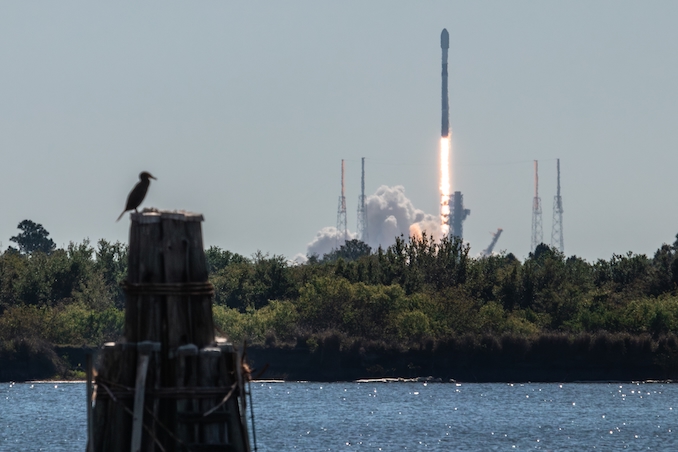
SpaceX ने 22 मार्च 2026 ला Cape Canaveral Space Force Station पासून आपले 37वे लॉन्च पूर्ण केले ज्यामध्ये 29 Starlink V2 Mini Optimized उपग्रह low Earth orbit मध्ये तैनात केले आणि reuse कार्यक्रम सुरू झाल्यापासून कंपनीचा 590वा booster रिकव्हरी साधला. Starlink 10-62 असे नामांकित केलेले हे लॉन्च, SpaceX च्या जलद गतीच्या Starlink constellation-building मिशनमध्ये जोडले गेले जे जागतिक ब्रॉडबँड इंटरनेट अॅक्सेस बदलून दिले आहे.
B1078 असे नामांकित केलेले Falcon 9 first stage booster या मिशनवर 27वी वेळ उड्डाण केले — हे SpaceX च्या refurbishment प्रक्रियांच्या विश्वासार्हतेचा साक्ष्य आहे जे कार्यक्रम सुरू झाल्यावर अविश्वसनीय वाटले असते. प्रत्येक booster पुनर्वापर नवीन first stage तयार करण्याची, चाचणी करण्याची आणि इंधन भरण्याची आवश्यकता दूर करता है, प्रत्येक लॉन्चचा किरकोळ खर्च लक्षणीयरित्या कमी करता है आणि लॉन्च वारंवारता सक्षम करता है जी Starlink कार्यक्रम आर्थिकदृष्ट्या व्यवहार्य बनवते.
मोठ्या प्रमाणावर पुनर्वापरक्षमता
590वा booster landing हा एका कार्यक्रमच्या संयुक्त परिणामाचा प्रतिनिधित्व करता है जो डिसेंबर 2015 मध्ये एकाच यशस्वी रिकव्हरीने सुरू झाला, जेव्हा Falcon 9 booster B1019 ने 11 Orbcomm उपग्रह कक्षेत पोहोचवल्यानंतर Cape Canaveral येथे Landing Zone 1 वर उतरले. त्या वेळी, हा कार्यकर्तृत्व संकल्पनाचा पुरावा म्हणून साजरा केला गेला. एक दशकापेक्षा अधिक काळानंतर, हे Falcon 9 च्या प्रत्येक मिशनचा साधारण अपेक्षित परिणाम बनले आहे.
Falcon 9 पुनर्वापराच्या परिचालनात्मक परिपक्वतेने आर्थिक परिणाम निर्माण केले आहेत जे launch उद्योगाची पुनर्संरचना केली आहे. Falcon 9 वर payloads साठी launch खर्च प्रतिस्पर्धी expendable launch vehicles च्या तुलनेत लक्षणीयरित्या कमी आहे, आणि कमी खर्च आणि उच्च गतीचे संयोजन SpaceX ला व्यावसायिक launch सेवा, सरकारी उपग्रह लॉन्च आणि जागतिक constellation deployment मध्ये प्रमुख खेळाडू बनवले आहे.
Starlink Constellation ची वर्तमान स्थिती
Starlink 10-62 मिशनचे 29 V2 Mini Optimized उपग्रह एका constellation मध्ये सामील होतात ज्यामध्ये आता हजारांच्या संख्येने सक्रिय उपग्रह आहेत. V2 Mini Optimized डिजाइन, जो नवीन Falcon 9 लॉन्चमध्ये पूर्वीच्या उपग्रह पिढ्यांची जागा घेतला आहे, प्रत्येक उपग्रहाची वर्धित throughput, सुधारित inter-satellite laser link विश्वासार्हता आणि वाढत्या constellation मध्ये orbital slot प्रबंधनाचे चांगले संचालन प्रदान करता है.
Starlink च्या ग्राहक आधाराची 2020 मध्ये प्रारंभिक beta लॉन्चनंतर लक्षणीयरित्या वृद्धि झाली आहे, सेवा आता जागतिक भाग मध्ये, अफ्रिका, दक्षिण-पूर्व एशिया आणि प्रशांत महासागरातील पूर्वी अजोडलेल्या प्रदेशांसह उपलब्ध आहे. या सेवेचे व्यावसायिक आणि सैन्य अनुप्रयोगांमध्येही महत्त्वपूर्ण उपयोग झाले आहे, विशेषतः Ukraine मध्ये जेथे Starlink terminals ने संपूर्ण संघर्ष दरम्यान गंभीर संप्रेषण अवसंरचना प्रदान केली आहे.
A Shortfall of Gravitas वर लँडिंग
मानक trajectory चे अनुसरण करून, booster B1078 लॉन्च झाल्यानंतर अंदाजे तीन मिनिटांनी दुसऱ्या चरणापासून अलग झाले, वेग कमी करण्यासाठी आणि लँडिंग लक्ष्याकडे पुन्हा दिशा देण्यासाठी engine burns ची मालिका केली, आणि Atlantic Ocean मध्ये स्थित drone ship A Shortfall of Gravitas वर उतरले. हे लँडिंग B1078 च्या 27वी उड्डाण आणि या जहाजावर 148वे यशस्वी लँडिंग होते, जो SpaceX च्या fleet मध्ये Iain M. Banks च्या science fiction Culture series च्या जहाजांच्या नावावरून नामांकित केलेल्या अनेक autonomous spaceport drone ships मध्ये एक आहे.
590वा booster रिकव्हरी SpaceX ने launch अर्थशास्त्रात केलेल्या रूपांतरणास तीव्र प्रकाश पाडतो. एक launch vehicle जो दशकोपरांत दशलक्ष डॉलरचा खर्च आहे तो रिकव्हर केला जाता है, refurbished केला जाता है, आणि काही आठवड्यांत पुन्हा उड्डाण केला जाता है — एक चक्र जो, booster साठी डझनभर उड्डाणांमध्ये गुणाकार केला जाता है, कक्षेत प्रवेश करण्याच्या अर्थशास्त्रास मूलभूतरित्या बदलता है.
हा लेख Spaceflight Now च्या reporting वर आधारित आहे. मूळ लेख वाचा.

Originally published on spaceflightnow.com