दुर्मिळ खोल अंतराळातील मानवी डेटासेट समजून घेण्यासाठी NASA ला चांगल्या साधनांची गरज आहे
NASA ने Artemis II Human Research Data Methodology Challenge सुरू केली आहे. ही एक स्पर्धा आहे, ज्याचा उद्देश संशोधकांना एजन्सीच्या म्हणण्यानुसार अपोलो 17 नंतर चंद्राच्या परिसरातल्या पहिल्या मानवी मोहिमेतून मिळालेल्या अनोख्या आणि मौल्यवान मानवी आरोग्य डेटाचे विश्लेषण करण्यास मदत करणे हा आहे. या चॅलेंजमध्ये एकूण $25,000 ची बक्षिसे आहेत, ते 30 मार्च, 2026 रोजी सुरू झाले, आणि सादरीकरणांसाठी 5 जून, 2026 ही अंतिम तारीख आहे.
तत्काळ उद्दिष्ट कार्यान्वयीन नसून पद्धतशीर आहे. NASA चा Human Research Program सहभागींना असा विचार करण्यास सांगत आहे की वैज्ञानिकदृष्ट्या महत्त्वाच्या पण रचनात्मकदृष्ट्या कठीण अशा डेटासेटमधून कमाल अंतर्दृष्टी कशी मिळवायची: फक्त चार अंतराळवीर, अनेक शारीरिक प्रणाली, अनेक डेटा स्वरूपे, आणि वेगवेगळ्या वेळांवरील मोजमापे.
Artemis II ने NASA ला असे संशोधन-संधी दिली जी जमिनीवर पुन्हा निर्माण करता येणार नाही
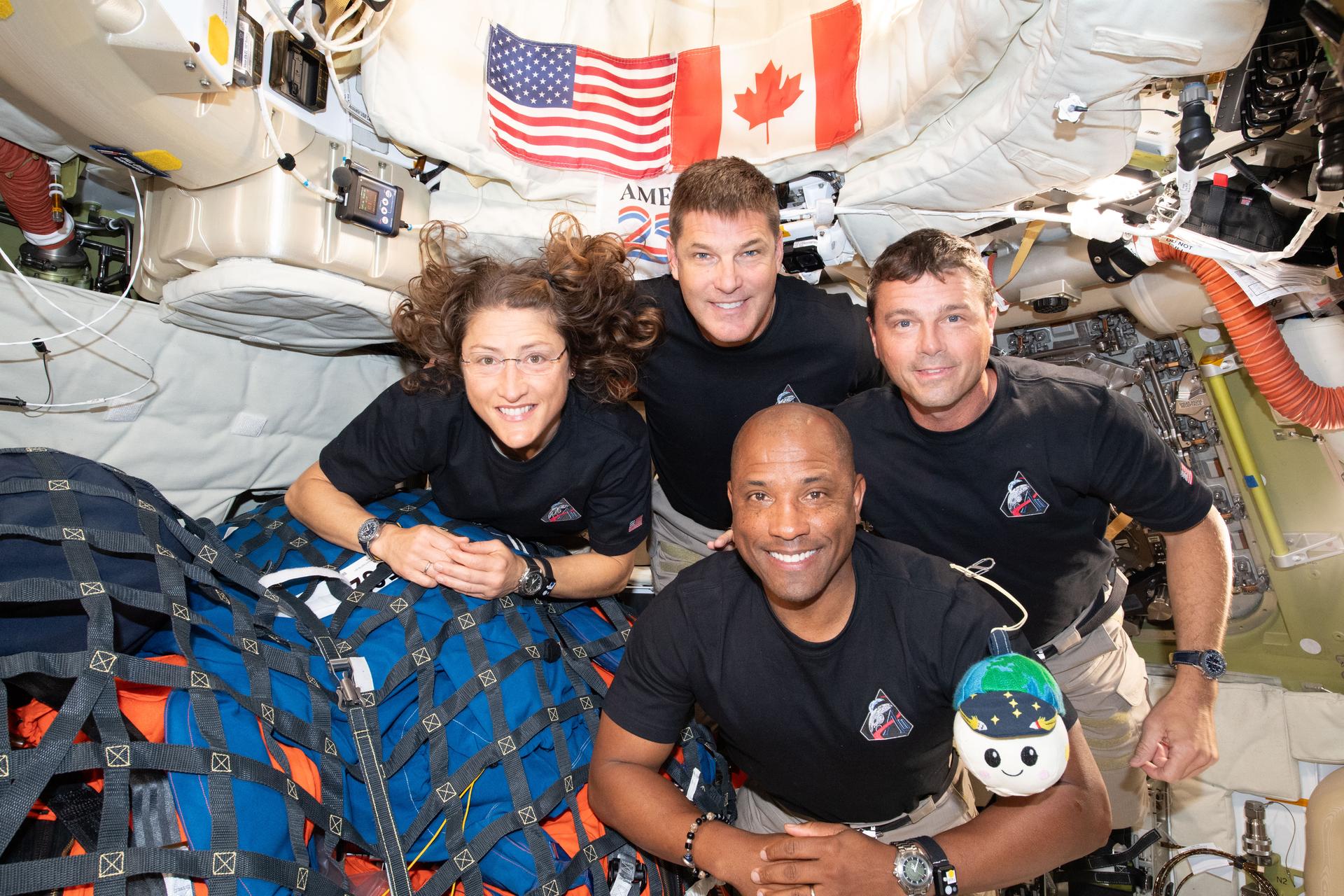
NASA च्या म्हणण्यानुसार, Artemis II ने अर्ध्या शतकाहून अधिक काळानंतर प्रथमच मानवांना निम्न पृथ्वी कक्षेपलीकडील अंतराळ प्रवासाच्या संपूर्ण शारीरिक आणि मानसिक परिस्थितींचा अनुभव दिला. या मोहिमेत Commander Reid Wiseman, Pilot Victor Glover, Mission Specialist Christina Koch, आणि Mission Specialist Jeremy Hansen यांना Orion मधून खोल अंतराळाच्या दिशेने मार्गावर नेण्यात आले, जिथे यापूर्वी कोणताही मानव इतका दूर गेलेला नव्हता.
संस्थेचे म्हणणे आहे की जमिनीवरील सिम्युलेशन पूर्णपणे पुनरुत्पादित करू शकत नाहीत अशा परिस्थितींना क्रू सामोरे गेले, ज्यामध्ये अंतराळ किरणोत्सर्ग, नवीन अंतराळयानाचे एकाकीपण आणि मर्यादा, आणि चाचणी मोहिमेच्या प्रोफाइलच्या कार्यात्मक मागण्या यांचा समावेश होता. हे घटक तयार होणाऱ्या डेटासेटला चंद्रावरील आणि अखेरीस मंगळावरील दीर्घकालीन मोहिमांच्या नियोजनासाठी अत्यंत महत्त्वाचे बनवतात.
NASA चा Human Research Program आधीच जमिनीवरील संशोधन सुविधा, International Space Station, आणि analog environment वापरून अंतराळवीरांचे आरोग्य आणि कार्यक्षमता अभ्यासतो. परंतु Artemis II ने हा पुराव्याचा पाया खोल अंतराळाच्या वातावरणात विस्तारला आहे. निम्न पृथ्वी कक्षेतील संशोधन व्यापक असले तरी, पृथ्वीपासून अधिक दूरच्या मोहिमांसाठी संबंधित सर्व ताणतणाव घटक तो पकडत नाही; म्हणून हा बदल महत्त्वाचा आहे.
विश्लेषणाची समस्या ही डेटाएवढीच महत्त्वाची आहे
NASA ज्याबद्दल बोलत आहे ते आव्हान फक्त माहिती गोळा करण्याबद्दल नाही. अत्यंत मर्यादित नमुना आकार असलेल्या, पण गुंतागुंतीने समृद्ध अशा डेटासेटचे अर्थ लावणे कसे करायचे, हा खरा प्रश्न आहे. चार विषय हे पारंपरिक लोकसंख्या-स्तरीय निष्कर्षांसाठी पुरेसे नाहीत, जसे जैववैद्यकीय संशोधकांना वाटू शकते. तरीही, त्या चार विषयांनी अशा मोहिमेत भाग घेतला ज्यामुळे असे परिस्थिती निर्माण झाल्या ज्या अन्यथा थेट मानवी अभ्यासासाठी उपलब्ध नव्हत्या.
याच ताणामुळे NASA हा उपक्रम एक methodology challenge म्हणून मांडत आहे. संस्था प्रत्यक्षात संशोधन समुदायाला विनंती करत आहे की त्यांनी या समस्येकडे अनुमान, एकत्रीकरण, आणि signal extraction म्हणून पाहावे. प्रत्येक निरीक्षण अत्यंत मूल्यवान असेल आणि नमुना फारच लहान असेल, तेव्हा डेटा कसा विश्लेषित करायचा? अनेक शारीरिक प्रणालींचे एकत्रित अर्थ लावताना अतिशयोक्ती न करता कसे पुढे जायचे? डेटाच्या मर्यादा मान्य करतानाही वापरता येईल असे ज्ञान निर्माण करणाऱ्या कोणत्या विश्लेषण पद्धती सर्वोत्तम आहेत?
हे किरकोळ तांत्रिक प्रश्न नाहीत. भविष्यातील खोल अंतराळ मोहिमा किरणोत्सर्गाचे परिणाम ते अलगाव आणि मर्यादिततेत वर्तन आणि कार्यक्षमतेतील बदल यांसारख्या आरोग्यधोक्यांची पूर्वकल्पना आणि शमन करण्याच्या क्षमतेवर अवलंबून असतील. संशोधकांनी विरळ पण उच्च-मूल्य असलेल्या डेटासेटचे अर्थ लावण्यासाठी मजबूत पद्धती तयार केल्या नाहीत, तर मानवी अंतराळयानशास्त्रावर मोहिमांच्या दुर्मिळतेची मर्यादा राहील.
चंद्र आणि मंगळ नियोजनासाठी Artemis II का महत्त्वाची आहे
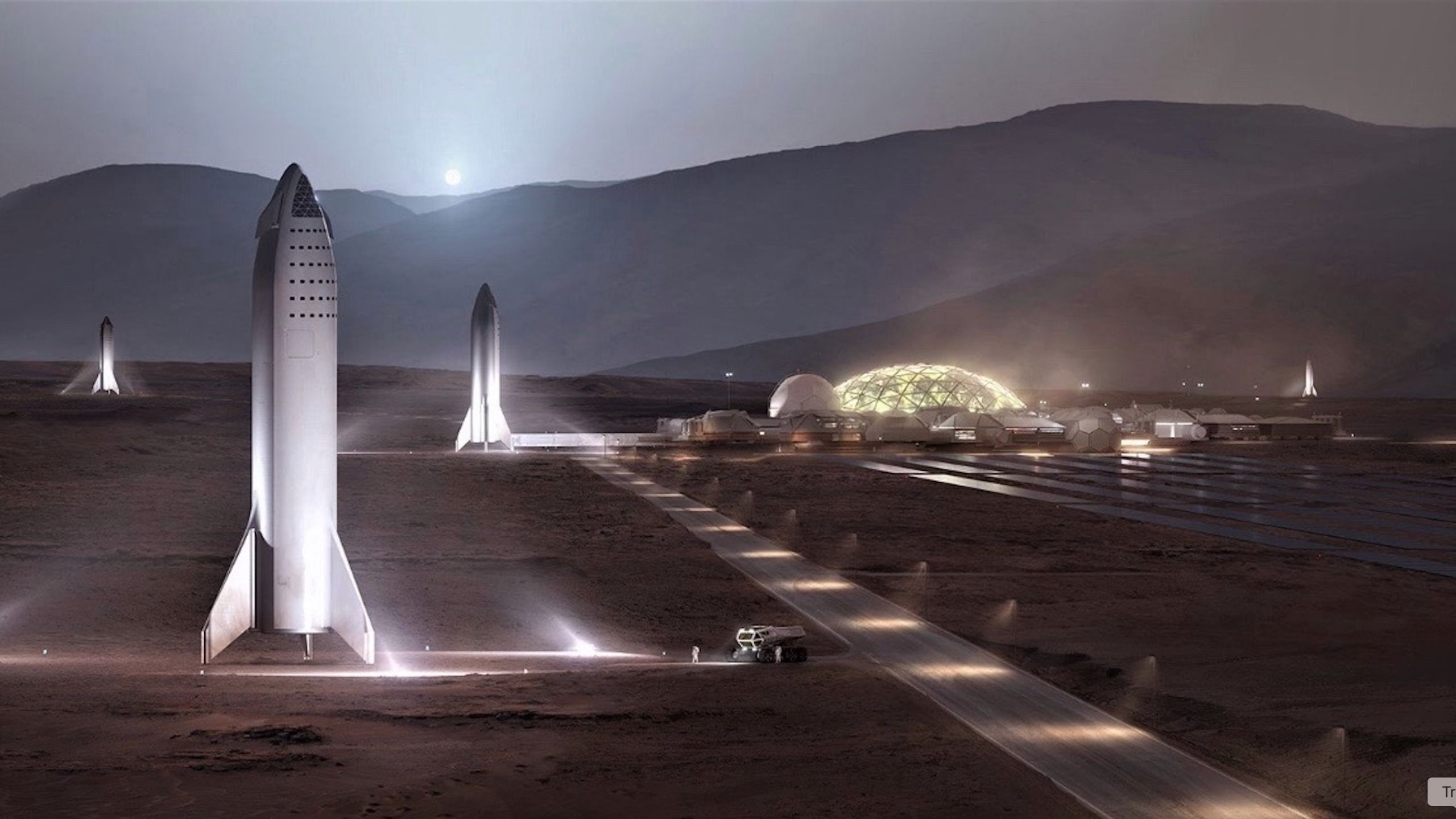
NASA हे काम आपल्या चंद्र पृष्ठभाग मोहिमा आणि मंगळावरील मानवी अन्वेषण या दीर्घकालीन उद्दिष्टांशी स्पष्टपणे जोडते. हा संबंध सोपा आहे. अंतराळवीर पृथ्वीपासून जितके दूर जातात आणि खोल अंतराळात जितका जास्त काळ राहतात, तितकेच निम्न पृथ्वी कक्षेच्या तुलनेने संरक्षित वातावरणाबाहेर शरीर कसे प्रतिसाद देते हे समजणे अधिक महत्त्वाचे ठरते.
Artemis II डेटासेट संशोधकांना खोल अंतराळात कार्यरत क्रूपासून थेट मोजमापे देते. NASA चे म्हणणे आहे की ही मोजमापे मुख्यतः निम्न कक्षेतील मोहिमांमधून तयार झालेल्या ज्ञानाचा विस्तार करतील. प्रत्यक्षात, यामुळे जोखीम मॉडेल सुधारता येतील, countermeasure विकसित करण्यास मदत होईल, आणि भविष्यातील क्रूसाठी मोहिमेचे नियोजन सुधारता येईल.
लक्ष वेधून घेणारी गोष्ट म्हणजे या संधीच्या अपूरणीय स्वरूपावर NASA ने दिलेला भर. खोल अंतराळातील मानवी मोहिमा अजूनही दुर्मिळ आहेत. त्यामुळे प्रत्येक उड्डाणाला कार्यात्मक महत्त्व आणि वैज्ञानिक वजन दोन्ही असते. Artemis II ही केवळ चंद्राकडे मानवी प्रवासाची प्रतीकात्मक परतफेड नव्हती. NASA च्या आरोग्य संशोधकांसाठी, ती संस्थेच्या अन्वेषण महत्त्वाकांक्षांच्या केंद्रस्थानी असलेल्या वातावरणात मानवी शरीर काय करते हे पाहण्याची दुर्मिळ संधीही होती.
हे आव्हान अंतराळ संशोधनातील व्यापक प्रवाह दर्शवते
पद्धतीचे crowdsourcing करण्याचा NASA चा निर्णय हा व्यापक जाणिवेचा भाग आहे की अंतराळ विज्ञानातील प्रगती अधिकाधिक या गोष्टीवर अवलंबून आहे की संस्था मोहिमेतील कामकाज आणि बाह्य विश्लेषण कौशल्ये किती चांगल्या प्रकारे एकत्र करू शकतात. समस्या नेहमीच सिद्धांतात्मक अर्थाने डेटा अभावाची नसते. कधी कधी अडचण अशी असते की मानक संशोधन आराखड्यांमध्ये न बसणाऱ्या असामान्य डेटासेटमधून विश्वासार्ह निष्कर्ष काढणे कठीण जाते.
हे विशेषतः मानवी अंतराळयानासाठी खरे आहे, जिथे नियंत्रित पुनरावृत्ती कठीण असते आणि मोहिमेच्या संधी विरळ असतात. Artemis II संशोधन डेटाला बक्षीस चॅलेंजमध्ये रूपांतरित करून NASA त्या विश्लेषणात्मक मर्यादांबद्दल विचार करणाऱ्या लोकांचा गट वाढवत आहे. स्पर्धेचा हा प्रकार शेजारील क्षेत्रांमधील अशा तंत्रांनाही समोर आणू शकतो, ज्या विरळ, बहु-प्रकार, दीर्घकालीन डेटासाठी योग्य असतात.
NASA च्या घोषणेत एक ठोस मोहिमेची वेळरेषा देखील आहे: 6 एप्रिल, 2026 रोजी चंद्राच्या दूरच्या बाजूला वळून आल्यावर Artemis II क्रूने 7 एप्रिल, 2026 रोजी चंद्राच्या प्रभावक्षेत्रातून बाहेर पडले आणि 10 एप्रिल रोजी पॅसिफिकमध्ये splashdown साठी पृथ्वीच्या दिशेने परतले. त्यामुळे हे आव्हान तात्काळ मोहिमेच्या संदर्भात बसते. प्रश्नातील डेटा भविष्यातील सैद्धांतिक सामग्री नाही. तो नुकत्याच उड्डाण केलेल्या मोहिमेतून आला आहे, जी आधीच अपोलोनंतरच्या अन्वेषणातील एक मैलाचा दगड बनली आहे.
या आव्हानाचे खरे महत्त्व हे आहे की ते पद्धतीला मोहिमेची पायाभूत रचना मानते. रॉकेट्स, अंतराळयान, आणि क्रू अन्वेषण शक्य करतात. पण अन्वेषणाला टिकाऊ ज्ञानात रूपांतरित करण्यासाठी, डेटा दुर्मिळता आणि गुंतागुंत यांच्याइतकीच समर्थ विश्लेषण साधने आवश्यक असतात. NASA आता व्यापक संशोधन समुदायाला ही साधने तयार करण्यात मदत करण्यास सांगत आहे.
हा लेख NASA च्या अहवालावर आधारित आहे. मूळ लेख वाचा.
Originally published on nasa.gov