एकाधिक CME पृथ्वीवर अभिसरण
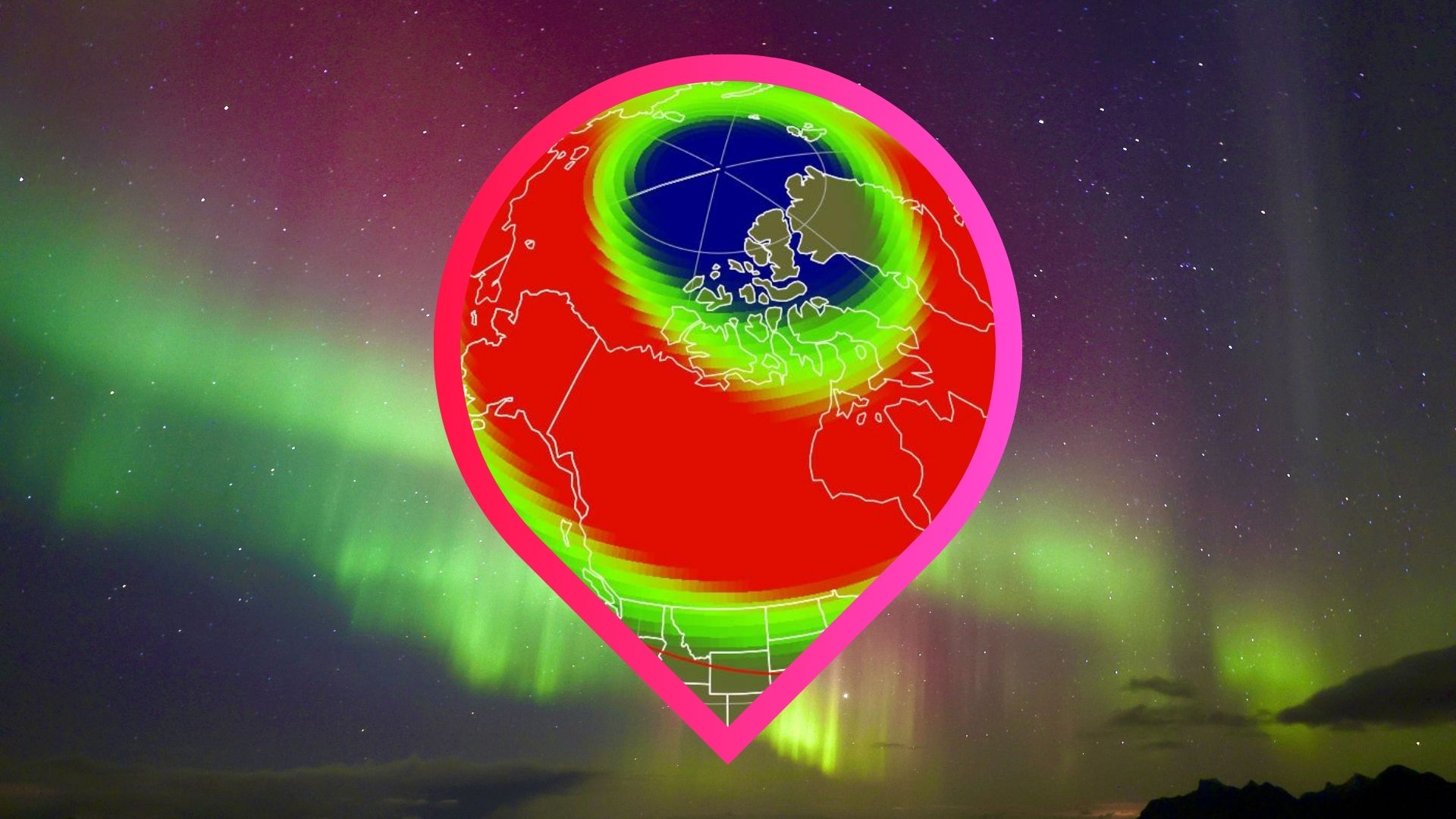
NOAA च्या स्पेस वेदर प्रेडिक्शन सेंटरमधील अंतराळ हवामान अंदाजकर्त्यांनी बुधवारी संध्याकाळी चुंबकीय वादळ सतर्कता जारी केली कारण या आठवड्याच्या सुरुवातीला सुरू झालेले CME सूर्य आणि पृथ्वीमधील 93 दशलक्ष मैल अंतर ओलांडून आले. जेव्हा एकाधिक CME अगदी सुरुवातीला आले, तर त्यांचा पृथ्वीच्या चुंबकमंडळाशी परस्पर क्रिया एकल इजेक्शनपेक्षा लक्षणीयरूप शक्तिशाली असू शकते, विस्तृत आणि भौगोलिकदृष्ट्या विस्तृत अरोरा इव्हेंटसाठी अटी निर्माण करते.
वादळ NOAA चुंबकीय वादळ स्केलवर G3 तीव्रतेवर शिखर गाठण्याची अपेक्षा आहे—मजबूत म्हणून वर्गीकृत—सर्वात सक्रिय टप्प्यांच्या दरम्यान G4 किंवा गंभीर स्तरावर संक्षिप्त कालावधी संभवतः पोहोचू शकतो. G3 तीव्रतेवर, अरोरा Oregon आणि Illinois सारख्या अक्षांशांपर्यंत स्पष्ट आकाशाखाली विश्वासार्हपणे दृश्यमान आहे. G4 वर, प्रदर्शन सामान्यतः उष्ण हवामानाशी संबंधित राज्यांमध्ये विस्तृत असू शकते.
कुठे पाहायचे आणि केव्हा
March 19 च्या रात्री सर्वाधिक पाहण्याची खिडकी बहुतेक पाहण्याच्या क्षेत्रांमध्ये दुपारी 10 ते 2 वाजता स्थानिक वेळेपर्यंत चालू आहे, जरी चुंबकीय क्रिया आधी आणि नंतर प्रदर्शन तयार करू शकते. निरीक्षकांनी उत्तरेकडे तोंड करावे आणि त्यांच्या डोळ्यांना कमीतकमी पंधरा मिनिटे अंधकारात रुपांतरित करणे आवश्यक आहे हे मानण्यापूर्वी काहीही पाहण्यात आले नाही—अरोरा पाहण्याच्या श्रेणीच्या दक्षिण सीमेवर हलके आणि हिरव्या रंगाचे असू शकते, प्रकाश प्रदूषणसाठी सहजपणे चुकीचे असू शकते जोपर्यंत डोळे समायोजित होत नाहीत.
18 राज्ये जेथे अरोरा स्पष्ट आकाशाखाली दृश्यमान असू शकतो ते Alaska आणि Pacific Northwest ते उपरी Midwest आणि mid-Atlantic मध्ये विस्तारित आहेत. Alaska सर्वोत्तम शक्यता देते; मध्यम सौर क्रियाकलापांमध्येही, अरोरा तेथे वारंवार दृश्यमान असतो. Minnesota, Wisconsin, Michigan आणि Dakotas मधील निरीक्षकांसाठी, हा इव्हेंट वर्तमान सौर चक्रातील अरोराच्या उत्तम संधींपैकी एक प्रतिनिधित्व करतो. कॅमेरा सेंसर मानवी डोळ्यापेक्षा अरोरामध्ये लक्षणीयरूप अधिक संवेदनशील असतात, म्हणजे स्मार्टफोन दीर्घ एक्सपोजर थेट निरीक्षण कमी दर्शविते असे ठिकाणी आकर्षक प्रतिमा मिळवू शकते.

सौर कमाल विज्ञान
2025 आणि 2026 मध्ये अरोरा इव्हेंटची वारंवारता आणि तीव्रता संयोगी नाही. सूर्य चुंबकीय क्रियाकलापाच्या अंदाजे अकरा-वर्षाच्या चक्रावर कार्य करतो, सौर चक्र 25 आपल्या शिखर क्रियाकलाप पातळीवर पोहोचल्या आणि आता ते पार करू लागले आहे. सौर कमालजवळ, सनस्पॉट संख्या सर्वोच्च असतात, कोरोनल मास इजेक्शन सर्वाधिक वारंवार असतात, आणि सर्वशक्तिशाली चुंबकीय वादळ सर्वाधिक संभवतः घडतात.
सौर चक्र 25 ट्रॅक करणार्या खगोलशास्त्रज्ञांनी नोंद केली आहे की चक्र सुरुवातीच्या अंदाजांपेक्षा जास्त आहे. एक मध्यम चक्र असा अनुमान होता परंतु मॉडेल सूचित केलेल्यापेक्षा अधिक तीव्र क्रियाकलाप निर्माण केले आहे, ज्यामुळे मागील अठरा महिन्यांमध्ये mid-latitudes वर दृश्यमान महत्वपूर्ण अरोरा इव्हेंटची असामान्य वारंवारता योगदान दिली आहे. मे 2024 च्या वादळ ज्यामुळे खंडीय अमेरिका आणि Mexico च्या काही भागांमध्ये अरोरा दृश्यमान झाला हा सुमारे दोन दशकांचा सर्वशक्तिशाली एकल इव्हेंट होता.
अवसंरचना प्रभाव
शक्तिशाली चुंबकीय वादळ केवळ सौंदर्यदृष्ट्या आकर्षक नाहीत—त्यांच्या व्यावहारिक परिणाम तांत्रिक अवसंरचनासाठी आहेत. अरोरा तयार करणारे समान चुंबकीय क्षेत्र व्यत्यय, लांब विद्युत कंडक्टरमध्ये प्रवाह प्रेरित करू शकतात, ज्यामध्ये विद्युत ग्रिड अवसंरचना आणि पाइपलाइन समाविष्ट आहेत. NOAA ने ग्रिड ऑपरेटरांसाठी सल्ले जारी केले आहेत, वादळच्या शिखर दरम्यान वर्धित निरीक्षण सल्ला देत आहेत.
GPS अचूकता देखील महत्वपूर्ण चुंबकीय वादळ दरम्यान कमी होऊ शकते कारण आयोनोस्फेरिक व्यत्यय GPS सिग्नल प्रसारणवर परिणाम करतो. उच्च अक्षांशांमधून जाणार्या विमान मार्ग—विशेषत: North America आणि Asia यांच्यामध्ये ध्रुवीय मार्ग—सर्वाधिक तीव्र आयोनोस्फेरिक क्रियाकलापांचे क्षेत्र टाळण्यासाठी समायोजित केले जाऊ शकतात. उच्च-आवृत्ती रेडिओ संप्रेषण, अद्याप विमान आणि समुद्री ऑपरेशनमध्ये व्यापकपणे वापरले जाते, सर्वाधिक तीव्र टप्प्यांमध्ये व्यत्यय किंवा पूर्णपणे अवरोधित असू शकते कारण आयोनोस्फेर सिग्नल परावर्तनसाठी अविश्वसनीय होते.

पाहण्याचे सुझाव
अरोरा पाहण्याचा सर्वोत्तम संधी पाहण्यासाठी, निरीक्षकांनी त्यांच्या स्थानातून वाजवी ड्राइव्हच्या मध्ये सर्वात गडद आकाश शोधावा. शहराच्या प्रकाशांपासून दूर ग्रामीण क्षेत्र, जवळच्या शहरांवरून क्षितिजे स्तरीय प्रकाश गुंबज कमी करणारे उंच भूभाग, आणि उत्तरेकडील क्षितिजांसह अस्पष्ट ठिकाणे सर्व अनुभव सुधारतात. हवामान अंदाज आज रात्री upper Midwest आणि Pacific Northwest जवळ स्पष्ट आकाश दर्शवतो, जे अरोरा संभाव्यतेची सर्वाधिक क्षेत्रे देखील आहेत. वर्तमान सौर चक्रातील सक्रिय टप्पा कमीतकमी mid-2026 पर्यंत चालू राहण्याची अपेक्षा आहे, त्यामुळे आज रात्रीचा इव्हेंट या वर्षी mid-latitude अरोरा पाहण्याचा शेवटचा संधी असण्याची संभाव्यता कमी आहे.
हा लेख Space.com च्या रिपोर्टिंगवर आधारित आहे. मूळ लेख पाहा.
Originally published on space.com