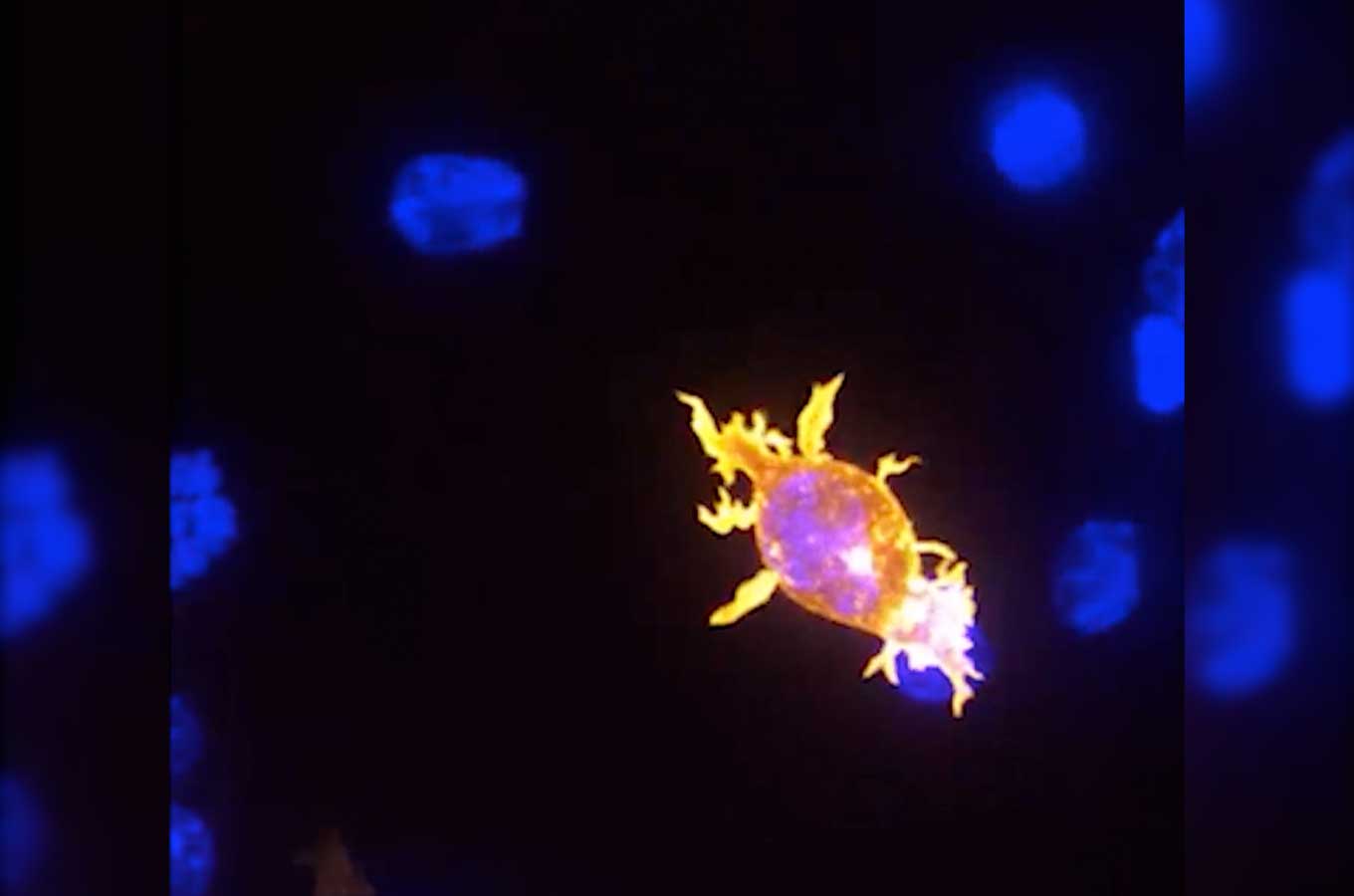
कर्करोगामध्ये स्व-सहनशीलतेची समस्या
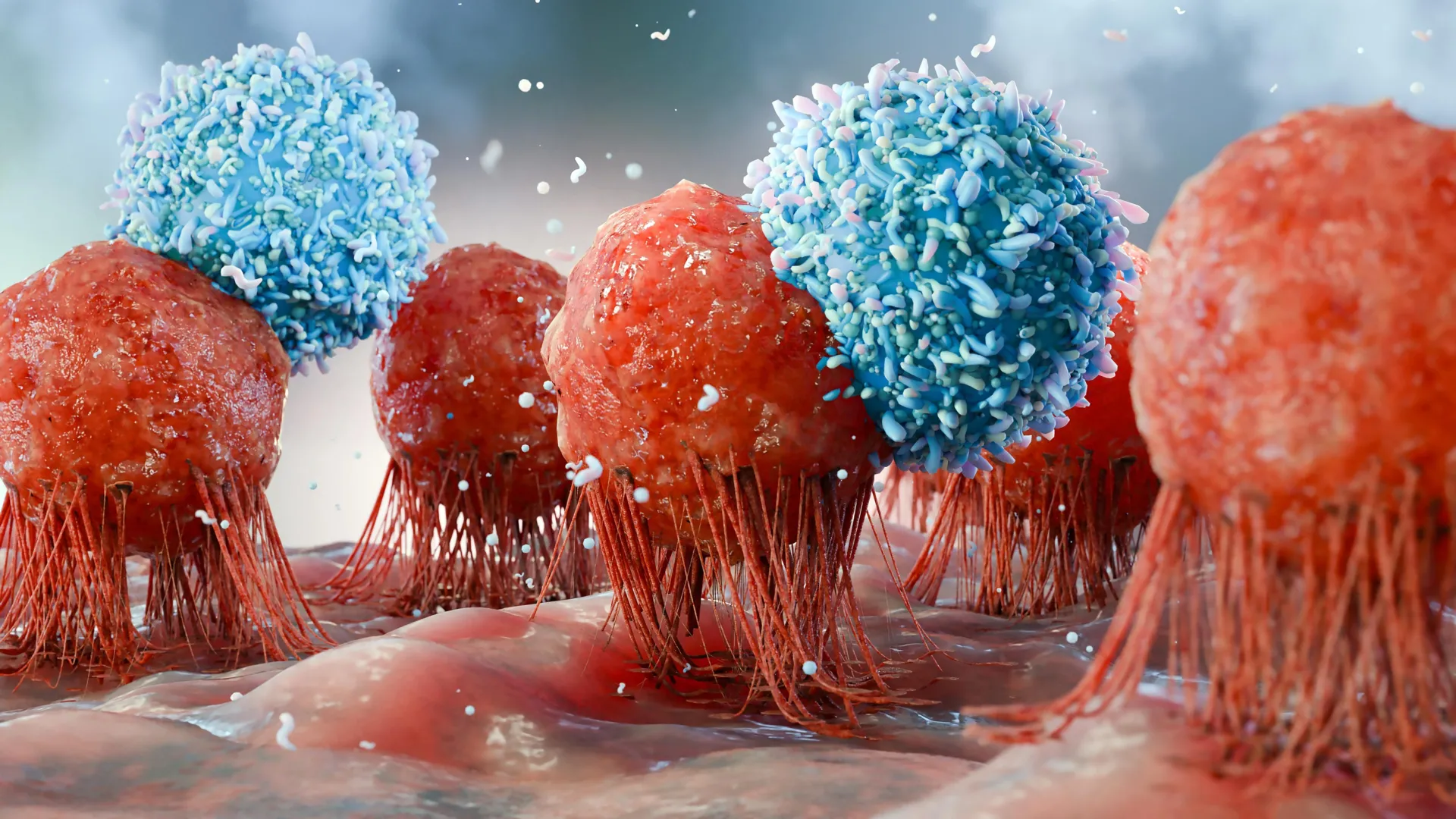
रोग प्रतिरक्षा प्रणाली कर्करोगविरुद्ध लढाईत मूलभूत दुविधेचा सामना करते: बहुतेक ट्यूमर शरीराच्या स्वतःच्या पेशीपासून उद्भवतात, असे प्रोटीन प्रदर्शित करतात ज्या रोग प्रतिरक्षा प्रणालीने दुर्लक्ष करणे शिकले आहे. ही सहनशीलता — एक गंभीर संरक्षण जो स्वप्रतिरक्षी रोग रोखते — कर्करोग पेशीद्वारे निर्दयपणे शोषली जाते, जी स्व-उद्भवित प्रतिजन सादर करतात ज्यावर T पेशी हल्ला करणार नाहीत. ही सहनशीलता निवडक रीतीने तोडणे, T पेशींना कर्करोग दूर करण्यासाठी सक्षम करणे आणि स्वस्थ ऊतकांना जपणे हे कर्करोग प्रतिरक्षा चिकित्सेचे केंद्रीय आव्हान आहे.
विज्ञान मध्ये प्रकाशित नव्या अभ्यासामध्ये एक क्रांतिकारी दृष्टिकोनाचे वर्णन केले आहे: T cell receptor च्या यांत्रिक गुणधर्मांची अभियांत्रिकी करणे जे संशोधकांना catch-bond परस्परक्रिया म्हणतात ते ट्यूमर प्रतिजनांसह तयार करतात. तंत्र मूलभूतपणे बदलते कि T पेशी ट्यूमरद्वारे प्रदर्शित स्व-प्रोटीन कसे ओळखतात आणि प्रतिक्रिया देतात.
Catch-Bond अभियांत्रिकी काय आहे
बहुतेक आणविक बंध यांत्रिक शक्तीच्या अधीन कमजोर होतात — हे slip-bond चे वर्तन आहे. Catch-bonds विरोधाभासी आहेत: ते तणाव अंतर्गत वास्तविकपणे मजबूत होतात. हा घटना प्रथमत: जीवाणु आसंजन रेणूमध्ये शोधला गेला होता आणि तेव्हापासून जैविक प्रणालीच्या व्यापत्यामध्ये आढळले आहे जेथे पेशींना कतरत तणाव अंतर्गत पकड बनवून ठेवायची असते.
T cell receptors स्वाभाविकपणे काही प्रतिजन सह catch-bonds तयार करतात रोग प्रतिरक्षा निरीक्षण दरम्यान — T पेशींने ऊतकांमधून गश्त घेताना उत्पन्न केलेली खिंचाव शक्ती वास्तविकपणे त्यांना मजबूत आणि कमजोर बंध लक्ष्यांमध्ये फरक करण्यास मदत करते. संशोधकांनी आता TCRs ची अभियांत्रिकी केली आहे कमी-आत्मीयता स्व-प्रतिजन सह catch-bonds तयार करण्यासाठी, हा प्रकार आहे जो ट्यूमर पेशी प्रदर्शित करतात आणि सामान्य T पेशी अन्यथा दुर्लक्ष करतील.
Receptor मधील महत्वाचे amino acid अवशेषांची सुधारणा करून जी शक्तीच्या प्रतिक्रियात्मक आचरणाचे नियंत्रण करते, टीमने TCRs तयार केले आहेत जे अधिक यांत्रिक शक्ती लागू केली जाते तेव्हा ट्यूमर प्रतिजन अधिक दृढतेने बंध करतात. यास अंतर्निहित मजबूत प्रारंभिक बंध घटना आवश्यक नाही — जो स्वप्रतिरक्षी सक्रिय करू शकतो — परंतु T cell सक्रियपणे लक्ष्यावर खिंचत असताना यांत्रिक वातावरणाचे Receptor प्रतिक्रिया बदलते.
स्वप्रतिरक्षी उत्तेजित न करता सहनशीलता अधिकृत करणे
Catch-bond दृष्टिकोनाची सुंदरता त्याच्या निवडकपणामध्ये निहित आहे. कारण वर्धित बंध केवळ यांत्रिक तणाव अंतर्गत होते — जो प्रकार T cell सक्रियपणे लक्ष्यावर खिंचत असताना उत्पन्न होतो — यास वास्तविक रोग प्रतिरक्षा प्रतिक्रियेचे संपूर्ण सम्मिलन क्रम आवश्यक असतो, केवळ स्व-प्रतिजनसह निष्क्रिय मुठभेड नाही. हे जोखीम कमी करते की अभियांत्रिकी केलेली T पेशी एकच स्व-प्रोटीन व्यक्त करणारे स्वस्थ ऊतकांवर हल्ला करतील.
प्रयोगशाळेतील चाचण्या दर्शविल्या आहेत की अभियांत्रिकी केलेल्या catch-bond receptors सह सज्जित T पेशी कमी-आत्मीयता स्व-प्रतिजन व्यक्त करणारी ट्यूमर पेशी नष्ट करू शकतात जरी एकच प्रोटीन व्यक्त करणारी सामान्य पेशींविरुद्ध लक्षणीयरीत्या कमी प्रतिक्रिया प्रदर्शित करतात. भेदभाव परिपूर्ण नाही, आणि टीम अवशिष्ट स्वप्रतिरक्षी जोखीम स्वीकारते जी पुढील अभ्यासांमध्ये वैशिष्ट्य आवश्यक असेल — परंतु तत्त्व वैध आहे.
कर्करोग प्रतिरक्षा चिकित्सेसाठी परिणाम
सद्य कर्करोग प्रतिरक्षा चिकित्सा महत्त्वपूर्ण मर्यादांचा सामना करते. CAR-T cell उपचार ओळखल्या गेलेल्या आणि लक्ष्यित कर्करोग प्रतिजन आवश्यक असतात जे स्वस्थ ऊतकांमध्ये उपस्थित नाहीत — एक आवश्यकता जी बहुतेक कठीण ट्यूमर वगळते. Checkpoint inhibitors विद्यमान T cell प्रतिक्रिया वर ब्रेक हटवून कार्य करतात परंतु ती प्रतिक्रिया तयार करू शकत नाहीत जेथे सहनशीलता त्यांना पूर्णपणे शांत केली आहे.
Catch-bond अभियांत्रिकी या अडचणींच्या पलीकडे एक संभाव्य मार्ग ऑफर करते. जर दृष्टिकोन स्व-प्रतिजन च्या विस्तृत वर्गामध्ये लागू केला जाऊ शकतो जे कठीण ट्यूमर अत्यधिक व्यक्त करतात — MUC1, HER2, आणि survivin सारखे प्रोटीन अनेक सामान्य कर्करोग मध्ये उपस्थित — हे ट्यूमर प्रकारांसाठी प्रतिरक्षा चिकित्सा सक्षम करू शकते ज्यांकडे वर्तमान में कोणतेही प्रभावी लक्ष्यित पर्याय नाही. संशोधन प्रयोगशाळा अवस्थेत आहे, mouse मॉडेल प्रयोगांसह संकल्पनाचा पुरावा प्रदर्शित करता, परंतु ते कर्करोगविरुद्ध प्रतिरक्षा प्रणाली वापरण्याच्या दशकांच्या लांब प्रयासामध्ये एक खरी नवी दिशा प्रतिनिधित्व करते.
हा लेख विज्ञान (AAAS) द्वारे अहवालांवर आधारित आहे. मूळ लेख वाचा।
Originally published on science.org