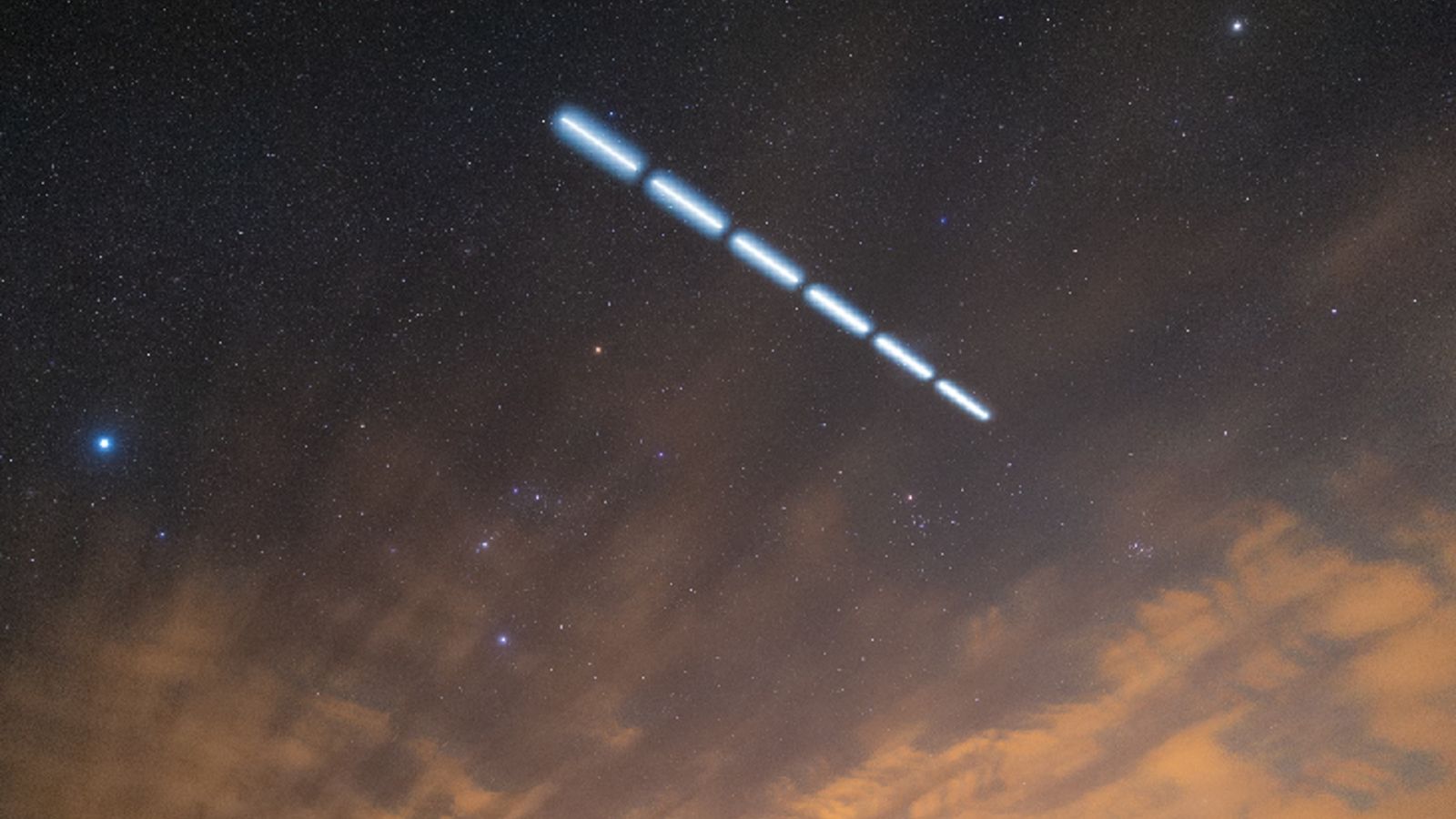
एक चंद्रावरचा धक्का जो फक्त त्यामुळे महत्त्वाचा आहे की तो नेहमीचा नसावा
खगोलशास्त्रज्ञ बिल ग्रे यांचा संदर्भ देणाऱ्या नव्या अहवालातील कक्षीय गणनांनुसार, SpaceX चा वापरलेला Falcon 9 वरचा टप्पा या उन्हाळ्यात चंद्रावर आदळण्याची अपेक्षा आहे. ही वस्तू माणसांना किंवा कार्यरत अंतराळयानांना कोणताही धोका देत नाही, आणि संभाव्य धक्का वैज्ञानिक दृष्टीने रस असलेला नवा खड्डा देखील तयार करू शकतो. पण याचे मोठे महत्त्व दुसरीकडे आहे: कमी पृथ्वी कक्षेबाहेर पाठवलेले हार्डवेअर दीर्घ काळ अपुऱ्या विल्हेवाटीच्या नियोजनासह भटकत राहू शकते, याची ही आणखी एक आठवण आहे.
ही अपेक्षित टक्कर 5 ऑगस्टला सुमारे 2:44 a.m. EDT वाजता, चंद्राच्या जवळच्या व दूरच्या बाजूच्या सीमेलगत असलेल्या आइन्स्टाइन क्रेटर भागाजवळ होण्याची शक्यता आहे. ही 45 फूट उंच Falcon 9 वरची अवस्था आहे, जी 2025 च्या सुरुवातीला पृथ्वी-चंद्र प्रणालीत दोन चंद्र मोहिमा पाठवण्यासाठी प्रक्षेपित करण्यात आली होती: Firefly Aerospace चे Blue Ghost लँडर, ज्याने नंतर चंद्रावर यशस्वी उतरण केली, आणि ispace चे Hakuto-R लँडर, ज्याने नंतर पृथ्वीशी संपर्क गमावला आणि अपघातग्रस्त उतरले.
तेव्हापासून हा रॉकेट टप्पा सिसलूनर अवकाशात फिरत आहे. गेल्या वर्षभरात क्षुद्रग्रह सर्वेक्षणांनी त्याचे 1,000 पेक्षा अधिक वेळा निरीक्षण केल्याचे ग्रे सांगतात, त्यामुळे त्याच्या मार्गाचे मॉडेल तयार करून, धडकेची वेळ आणि जागा याबद्दल उच्च खात्रीने अंदाज वर्तवता आला.
हे धोका नाही, तरीही समस्या का आहे
फक्त ऑपरेशनल दृष्टीने पाहिले तर ही घटना किरकोळ आहे. चंद्रावर नैसर्गिक कचरा सतत आदळत असतो, आणि वापरलेला रॉकेट टप्पा चंद्रपृष्ठावरील वसलेल्या प्रणालींना किंवा सेवेत असलेल्या अंतराळयानांना धोका देत नाही, असे अहवालात म्हटले आहे. जर त्याने दिसणारा ओरखडा निर्माण केला, तर तो खड्डा नंतर धडक-अभ्यासांसाठी संशोधकांना उपयुक्त असा नवा तुलना-बिंदू देऊ शकतो.
तरीही ही घटना दाखवते की मोहिमा परिचित कक्षीय मार्गांपलीकडे गेल्यावर अवकाश क्रियाकलापांचे नियमन किती कमजोर असते. जे हार्डवेअर आता उपयोगी नाही, ते महिने किंवा वर्षे वाईटरीत्या व्यवस्थापित कक्षांमध्ये राहू शकते. त्यामुळे तात्काळ संकट निर्माण होत नाही, पण वाढत्या वाहतूक असलेल्या वातावरणात सहज विल्हेवाट लावण्याची सवय वाढत जाते.
दहा वर्षांपूर्वीपेक्षा ही चिंता आता अधिक तीव्र आहे. पृथ्वी-चंद्र प्रणाली आता केवळ राष्ट्रीय अंतराळ संस्थांनी क्वचितच स्पर्श केलेले विरळ वापरले जाणारे गंतव्य राहिलेले नाही. व्यावसायिक लँडर, सरकारी मोहिमा, रिले पायाभूत सुविधा, आणि भविष्यातील लॉजिस्टिक्स नेटवर्क सर्व विस्तारत आहेत. सहभागी घटकांची संख्या वाढत असताना, उरलेल्या हार्डवेअरकडे नंतर पाहू अशी वृत्ती ठेवण्याची किंमतही वाढते.
हळूहळू वाढणारी सिसलूनर वाहतूक समस्या
या कथेतला सर्वात महत्त्वाचा भाग धडकेचे ठिकाण नाही. तो वस्तूच्या वर्षभर चाललेल्या भटक्याभोवतीचा संदर्भ आहे. वरचा टप्पा चंद्राच्या अंतरावर जवळपास राहिला, पृथ्वी-चंद्र प्रणालीत फिरत राहिला, आणि एका निष्क्रिय खोल-अवकाश कचर्याच्या तुकड्यात बदलला, ज्यासाठी प्रक्षेपणकर्त्याच्या सक्रिय व्यवस्थापनाऐवजी बाह्य ट्रॅकिंगची गरज होती.
अशा प्रकारचे भटकणे अडचणीचे असते, कारण सिसलूनर अवकाश पृथ्वी कक्षेसाठी तयार केलेल्या जुन्या कचरा-चौकटीत नीट बसत नाही. ते अधिक विस्तृत, अधिक गतिमान, आणि सतत कमी निरीक्षणात ठेवले जाते. ट्रॅकिंग कठीण असते, मालकीविषयक प्रश्न सार्वजनिक दृष्टीला कमी पडतात, आणि विल्हेवाटीचे नियम तुलनेने अजून अपरिपक्व आहेत.
व्यवहारात याचा अर्थ असा की हालचाल पुरेशी घन होईपर्यंत ही प्रणाली निष्काळजी परिणाम सहन करू शकते, आणि एकदा घनता वाढली की ती सहनशीलता संपते. अवकाश प्रशासन अनेकदा अशाच प्रकारे विकसित होते: आधी सवयींमधून, मग इशारादायक घटनांमधून, आणि नंतरच अधिक कडक मानकांमधून. वापरलेल्या टप्प्याचा चंद्रावर आदळणे हा आपत्तीसारखा प्रकार नाही. तो कमी-जोखमीचा प्रकार आहे जो जोखीम वाढण्यापूर्वी अधिक शिस्तबद्ध अपेक्षा आवश्यक असल्याचे सूचित करतो.
विल्हेवाटीची शिस्त कशी दिसू शकते
अहवाल या घटनेला उरलेले हार्डवेअर हाताळताना झालेल्या निष्काळजीपणाचा पुरावा म्हणून मांडतो. ही टीका एका वेगळ्या वस्तूच्या चंद्रावर आदळण्यापेक्षा, मिशनच्या शेवटासाठी स्पष्ट नियम नसण्याशी अधिक संबंधित आहे. भविष्यातील चंद्र आणि सिसलूनर मोहिमांसाठी, वरचे टप्पे कसे सेवामुक्त केले जातील हे दाखवण्याचा दबाव ऑपरेटरांवर वाढू शकतो, मग ते निर्देशित विल्हेवाट, स्थिर ग्रेव्हयार्ड कक्षा, किंवा इतर नियंत्रित परिणामांद्वारे असो.
यामुळे सिसलूनर संचालन गर्दीच्या पृथ्वी कक्षांमध्ये आधीच परिचित असलेल्या तर्काशी अधिक जुळेल, जिथे पासिव्हेशन, डी-ऑर्बिट नियोजन, आणि धडक टाळणे हे आता दुय्यम प्रश्न राहिलेले नाहीत. फरक एवढाच की सिसलूनर अवकाशात नियामक चौकट आणि सामान्य अपेक्षा अजूनही घडत आहेत.
वैज्ञानिक उत्सुकता आणि धोरणात्मक दबाव एकत्र नांदू शकतात
दूरदर्शक किंवा नंतरच्या मोहिमा जर नवा खड्डा शोधू शकल्या, तर संभाव्य चंद्र धक्का वैज्ञानिक लक्ष वेधू शकतो. कृत्रिम धक्क्यांमधून बाहेर उडालेल्या पदार्थांचे नमुने आणि पृष्ठभाग प्रतिसाद याबद्दल उपयुक्त माहिती मिळू शकते. पण तो मर्यादित फायदा ऑपरेशनल धडा झाकून टाकू नये.
चंद्र अधिक व्यस्त गंतव्य बनत आहे. मोहिमा आता राष्ट्रीय प्रतिष्ठा, व्यावसायिक गुंतवणूक, आणि भविष्यातील पायाभूत सुविधांच्या महत्त्वाकांक्षा घेऊन जात आहेत. अशा परिस्थितीत, कचरा-शिस्त ही आता फक्त एक अमूर्त शाश्वतता घोषणा राहिलेली नाही. सिसलूनर वातावरण दीर्घकालीन क्रियाकलापांना समर्थन देण्यासाठी पुरेसे अंदाजपात्र राहते की नाही, याचा तो एक भाग आहे.
हा धक्का कदाचित कोणत्याही ऑपरेशनल परिणामांशिवाय निघून जाईल. तरीही, तो एक उपयुक्त इशारा आहे. अधिक प्रक्षेपणकर्ते आणि चंद्र ऑपरेटर बाहेरच्या दिशेने पुढे जात असताना, वापरलेले हार्डवेअर गुरुत्वाकर्षण निर्णय घेईपर्यंत तिथेच फिरत ठेवणे हीच अपेक्षा असू शकत नाही. चंद्रापर्यंत पोहोचण्याची तांत्रिक क्षमता झपाट्याने पसरली आहे. त्या मोहिमांनंतर साफसफाईची शिस्तही आता त्याच वेगाने मागे यायला हवी.
हा लेख Live Science च्या वृत्तांकनावर आधारित आहे. मूळ लेख वाचा.
Originally published on livescience.com