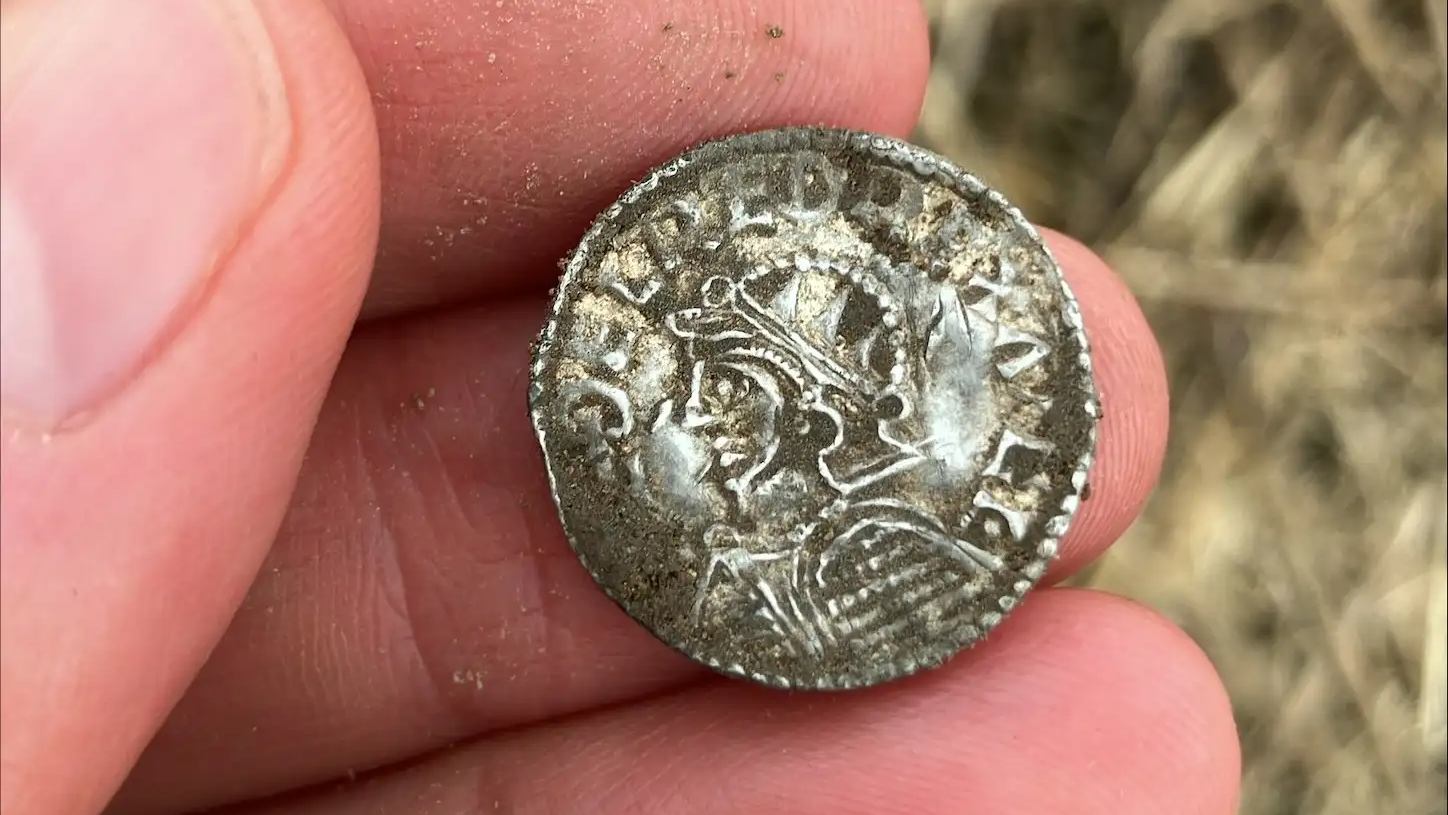
सामान्य शेतातून एक मोठा पुरातत्त्वीय शोध समोर आला
नॉर्वेमधील पुरातत्त्वज्ञ आता त्या खजिन्याचा अभ्यास करत आहेत, ज्याला देशात आतापर्यंत सापडलेला सर्वात मोठा वायकिंग नाण्यांचा खजिना म्हणून आधीच ओळखले गेले आहे. पूर्व नॉर्वेमधील रेना गावाजवळ सापडलेल्या शेताच्या नावावरून म्योरस्टाड खजिना म्हणून ओळखल्या जाणाऱ्या या साठ्यात इंग्लंड, जर्मनी, डेन्मार्क आणि नॉर्वेमध्ये घडवलेली 2,970 चांदीची नाणी आहेत.
हा शोध 10 एप्रिल रोजी सुरू झाला, जेव्हा दोन मेटल डिटेक्टर वापरणाऱ्यांना पहिले 19 नाणे सापडले. त्यांनी स्थानिक पुरातत्त्वज्ञांना माहिती दिली, जे दुसऱ्या दिवशी शोध मोहिमेत सामील झाले. त्यानंतर जे घडले, ते अपेक्षेपेक्षा खूपच पुढे गेले. इनलॅंडेट काउंटी म्युनिसिपॅलिटीच्या पुरातत्त्वज्ञ मे-टोवे स्मीसेथ यांनी लाइव्ह सायन्सने उद्धृत केलेल्या टिप्पण्यांत सायन्स नॉर्वेला सांगितले की डिटेक्टर “कधीच बीप करणे थांबले नाहीत.”
उत्खनन अजून पूर्ण झालेले नाही, त्यामुळे अंतिम संख्या बदलू शकते. तरीही सध्याच्या आकड्यावरूनही हा शोध स्कँडिनेव्हियातील वायकिंग युगाच्या पुरातत्त्वशास्त्रासाठी एक मोठे योगदान ठरतो.
नाणी बदलत्या आर्थिक जगाबद्दल काय सांगतात
या खजिन्यात इंग्लंडचे एथेलरेड दुसरे, क्नुट द ग्रेट आणि पवित्र रोमन सम्राट ओटो तिसरे यांच्या काळातील नाणी आहेत. अहवालानुसार, ओस्लोतील म्युझियम ऑफ कल्चरल हिस्टरीतील तज्ज्ञ आधीच या साहित्याचा अभ्यास करत आहेत.
नाण्यांचे भौगोलिक पसरलेपण महत्त्वाचे आहे. ते अशा चलनपरिस्थितीचे प्रतिबिंब आहे ज्यात नॉर्वेमध्ये परदेशी नाण्यांचे वर्चस्व होते. नुमिस्मॅटिस्ट स्वेन गुल्बेक यांच्या मते, हाराल्ड हार्ड्राडाने राष्ट्रीय नाणीनिर्मिती सुरू करेपर्यंत नॉर्वेमधील पैशाच्या चलनात परदेशी नाण्यांचाच प्रभाव होता. हार्ड्राडाच्या काळात घडवलेल्या थोड्या नाण्यांची उपस्थिती हा खजिना सुमारे 1050च्या आसपासचा असल्याचे ठरवण्यास मदत करते, जेव्हा नॉर्वेजियन नाणीनिर्मिती वेग घेत होती.
तो कालखंड या खजिन्याला संक्रमणाच्या टप्प्यावर आणून ठेवतो. तो त्या बिंदूच्या जवळ आहे, जिथे मोठ्या प्रमाणावर आयात केलेल्या आणि परदेशी घडवलेल्या चांदीवर अवलंबून असलेली अर्थव्यवस्था अधिक मजबूत राष्ट्रीय चलन-ओळखीच्या दिशेने जाऊ लागली. त्या अर्थाने, हा शोध केवळ मोठाच नाही, तर ऐतिहासिकदृष्ट्याही योग्य ठिकाणी आहे.

वायकिंग जगतातील व्यापार, सत्ता आणि गतिशीलता
इंग्लिश, जर्मन, डॅनिश आणि नॉर्वेजियन नाण्यांचा मिश्रण वायकिंग युगातील अर्थव्यवस्था किती परस्पर जोडलेली होती, हे अधोरेखित करतो. नाणी व्यापार, खंडणी, राजकीय प्रभाव आणि वैयक्तिक संपत्तीबरोबर फिरत होती. एवढ्या मोठ्या खजिन्याचा अर्थ महत्त्वपूर्ण साधनसंपत्तीपर्यंत पोहोच होता, पण ती संपत्ती कशी जमवली गेली आणि ती का पुरली गेली, हे प्रश्नही निर्माण होतात.
लाइव्ह सायन्सच्या अहवालात नमूद केले आहे की हा साठा लुटालुटीतून नव्हे, तर व्यापारातून साठवलेल्या वायकिंग संपत्तीचे प्रतिनिधित्व करू शकतो. हे महत्त्वाचे आहे, कारण सामान्य कल्पनेत वायकिंग इतिहास अनेकदा केवळ युद्ध आणि लुटीपुरताच मर्यादित केला जातो. अशा पुरातत्त्वीय पुराव्यांमुळे व्यापार, देवाणघेवाण नेटवर्क आणि चलनविषयक वर्तन यांवरही भर देऊन हे चित्र विस्तृत करता येते.
या खजिन्यातील शासक त्या व्यापक कथेला अधिक बळकटी देतात. एथेलरेड दुसरे आणि क्नुट यांच्यामुळे हा शोध इंग्लंड आणि स्कँडिनेव्हिया राजकीय व आर्थिकदृष्ट्या किती घट्ट जोडलेले होते, त्या काळाशी जोडला जातो. ओटो तिसऱ्याची उपस्थिती पवित्र रोमन जगापर्यंत पोहोचणाऱ्या संबंधांचे प्रतिबिंब आहे. प्रत्येक नाण्याचा नेमका प्रवास अजून ठाऊक नसला, तरी हा संग्रह उत्तर युरोपातील हालचाली आणि मूल्यमापनाच्या एका विस्तृत व्यवस्थेचा नकाशा उभा करतो.
पुरातत्त्वज्ञांसाठी खजिने का महत्त्वाचे असतात
नाण्यांचे खजिने फक्त मौल्यवान सापडणाऱ्या वस्तू नसतात. ते काळाची कुपी असतात. कारण ते बहुतेक वेळा तुलनेने कमी कालावधीत पुरले जातात, त्यामुळे ते एखाद्या विशिष्ट क्षणातील चलनप्रवाहाचा झटपट चित्रपट जपून ठेवतात. खजिन्यातील सर्वांत नवीन ओळखता येणारी नाणी तो कधी पुरला गेला हे ठरवायला मदत करतात, तर एकूण मिश्रण व्यापारमार्ग, चलनाचा स्वीकार आणि प्रादेशिक जोडणी यांचा उलगडा करू शकते.
या प्रकरणात, हा खजिना आयातित चांदीच्या चलनप्रवाहाचा आणि हाराल्ड हार्ड्राडाच्या काळातील नॉर्वेजियन नाणीनिर्मितीच्या उदयाचा परस्परसंबंध विद्वानांना अधिक चांगल्या प्रकारे समजून घेण्यास मदत करू शकतो. तो बचतविषयक वर्तन, असुरक्षितता, वारसा किंवा संकट यांविषयीही सूचनांचा पुरवठा करू शकतो. लोक साधारणपणे कारणाशिवाय जवळपास 3,000 चांदीची नाणी पुरत नाहीत.

अपूर्ण शोध, पण व्यापक अर्थांसह
अहवालातील एक ठळक तपशील असा की पुरातत्त्वज्ञ अजूनही स्थळाचे उत्खनन पूर्ण केलेले नाही. याचा अर्थ, शोधाचा आकार आणि त्याचे अर्थ लावण्याचे महत्त्व दोन्ही वाढू शकतात. अतिरिक्त नाणी, संबंधित वस्तू, किंवा माती आणि साठवणीच्या नमुन्यातून मिळणारा संदर्भ खजिना कोणी आणि कोणत्या परिस्थितीत पुरला, याबद्दल अधिक स्पष्टता देऊ शकतो.
तरीही, म्योरस्टाड खजिन्याचे महत्त्व स्पष्ट आहे. तो वायकिंग युगातील नॉर्वेचा ज्ञात पुरातत्त्वीय नोंदवहीचा आवाका वाढवतो, 11व्या शतकाच्या मध्यातील चलनबदलावरच्या चर्चेला आधार देतो, आणि वायकिंग जग विजयाइतकेच देवाणघेवाणीद्वारेही घडले होते, याची आठवण करून देतो.
स्थानिक भूमीला खंडीय इतिहासाशी जोडणारा शोध
अशा शोधांचे महत्त्व यासाठी आहे की ते एका शेताला खूप मोठ्या ऐतिहासिक दृश्याशी जोडतात. पुरलेले चांदीचे नाणे राज्ये, साम्राज्यकेंद्रे आणि स्थानिक समुदाय यांच्यातील मार्गांची नोंद ठेवतात. आधुनिक राज्यांनी चलन प्रमाणित करण्यापूर्वी, आणि राष्ट्रीय अर्थव्यवस्था आज आपण जशी कल्पना करतो तशी पूर्णपणे सीमाबद्ध होण्यापूर्वी, पैसा कसा फिरत होता, हे ते दाखवते.
नॉर्वेसाठी हा खजिना एक राष्ट्रीय विक्रम आहे. मध्ययुगीन युरोपच्या इतिहासकारांसाठी, 11व्या शतकात मूल्य, सार्वभौमत्व आणि दीर्घ अंतराच्या नेटवर्कचा विकास कसा झाला, याच्या कथेतला तो एक नवा डेटा-बिंदू आहे. सध्या नाण्यांचा अभ्यास सुरू आहे, पण या शोधाने आधीच दुर्मिळ असे काही केले आहे: त्याने आकाराबद्दलचा अंदाज पुन्हा मांडायला लावला आणि उत्तर युरोपीय इतिहासातील सर्वाधिक गतिमान काळांपैकी एका बद्दल नवे प्रश्न उघडले.
हा लेख लाइव्ह सायन्सच्या वार्तांकनावर आधारित आहे. मूळ लेख वाचा.

Originally published on livescience.com