एका मोठ्या, दीर्घकालीन अभ्यासाने कॉफी-आणि-हाडे या चर्चेत अधिक सूक्ष्मता जोडली
कॉफी आणि चहा हे जगातील सर्वाधिक सेवन केले जाणारे पेय आहेत, त्यामुळे आरोग्यावर होणारे अगदी किरकोळ परिणामही बारकाईने तपासण्यासारखे आहेत. 2 सप्टेंबर, 2026 रोजी अधोरेखित केलेल्या नव्या संशोधनातून वृद्ध महिलांमधील हाडांच्या आरोग्याचे मिश्र चित्र दिसते: चहा पिण्याशी कूल्ह्याच्या हाडांच्या घनतेत किंचित वाढ आढळली, तर खूप जास्त कॉफी सेवन कमी हाड खनिज घनतेशी संबंधित होते.
हे निष्कर्ष फ्लिंडर्स विद्यापीठाच्या संशोधकांकडून आले आहेत आणि दिलेल्या स्रोत सामग्रीनुसार ते Nutrients मध्ये प्रकाशित झाले. या अभ्यासात 65 वर्षे आणि त्याहून अधिक वयाच्या जवळपास 10,000 महिलांचा 10 वर्षे पाठपुरावा करण्यात आला, ज्यामुळे या क्षेत्रातील अनेक आधीच्या प्रयत्नांपेक्षा अधिक दीर्घकालीन दृष्टी मिळाली. एकाच क्षणाचा फोटो न घेता, संशोधकांनी पेय सवयींची माहिती वारंवार गोळा केली आणि कूल्हा व फेमोरल नेक येथील हाड खनिज घनतेचा मागोवा घेतला; ही ठिकाणे ऑस्टिओपोरोसिसच्या धोक्याच्या दृष्टीने चिकित्सकीयदृष्ट्या महत्त्वाची आहेत.
हा दीर्घ पाठपुरावा महत्त्वाचा आहे. हाडांचे आरोग्य हळूहळू बदलते, आणि अल्पकालीन अभ्यासांमध्ये असे कल चुकू शकतात जे अनेक वर्षांनंतरच दिसतात. सेवनाच्या पद्धती आणि हाड घनता वारंवार मोजून, महिलांचे वय वाढत असताना कॉफी आणि चहा या सवयी कंकाल आरोग्यात मोजता येण्याजोग्या फरकांशी संबंधित आहेत का, हे पकडण्याचा या अभ्यासाचा प्रयत्न होता.
संशोधकांना काय आढळले
अभ्यासात सर्वात स्पष्ट सकारात्मक संबंध चहाशी संबंधित होता. चहा पिणाऱ्या महिलांमध्ये, चहा न पिणाऱ्या महिलांच्या तुलनेत एकूण कूल्हा हाड खनिज घनता किंचित जास्त होती. स्रोत मजकूर हा फरक लहान पण सांख्यिकीयदृष्ट्या महत्त्वाचा असल्याचे सांगतो. लोकसंख्या आरोग्याच्या दृष्टीने, हे ऐकायला जितके लहान वाटते तितके नाही. लाखो लोकांवर पसरलेला एक लहान सरासरी बदलही राष्ट्रीय पातळीवर फ्रॅक्चर धोक्यात अर्थपूर्ण फरक घडवू शकतो.
संशोधकांनी चहाला एखादी चमत्कारिक हस्तक्षेप म्हणून मांडले नाही. हा अभ्यास असे सूचित करत नाही की फक्त चहा ऑस्टिओपोरोसिस रोखतो, हाडांची झीज उलटवतो, किंवा गरज असेल तिथे पोषण, व्यायाम आणि वैद्यकीय उपचारांसारख्या प्रस्थापित उपायांची जागा घेतो. तो एवढेच सुचवतो की नियमित चहा सेवन हाड आरोग्याच्या एका महत्त्वाच्या मापकात माफक फायद्याशी संबंधित असू शकते.
कॉफीचे निष्कर्ष अधिक गुंतागुंतीचे होते. स्रोत मजकूरानुसार दिवसाला साधारण दोन ते तीन कप इतके मध्यम सेवन हानीशी संबंधित दिसले नाही. हा एक महत्त्वाचा फरक आहे, कारण कॉफीबद्दल अनेकदा ती उपयुक्त की हानिकारक अशा टोकाच्या भाषेत चर्चा केली जाते. या अभ्यासातून मात्र एक मर्यादा-प्रभाव सूचित होतो: सामान्य सेवन हाड आरोग्यासाठी तटस्थ असू शकते, तर अधिक सेवन कमी निरुपद्रवी ठरू शकते.
विशेषतः, दिवसाला पाच कपांपेक्षा जास्त कॉफी पिणाऱ्या महिलांमध्ये हाड खनिज घनता कमी होती. स्रोत सामग्री कॉफीने थेट घसरण घडवली असे म्हणत नाही, आणि हा फरक अत्यावश्यक आहे. हा एक निरीक्षणात्मक विश्लेषण होता, म्हणजे त्याने पेय पद्धती आणि हाड परिणाम यांच्यातील संबंध शोधला. त्यात सहभागी महिलांना यादृच्छिकरीत्या पेय गटांमध्ये विभागले गेले नव्हते, त्यामुळे अधिक कॉफी सेवन हेच कमी घनतेचे कारण होते हे तो एकट्याने सिद्ध करू शकत नाही.
हाड घनता का महत्त्वाची आहे
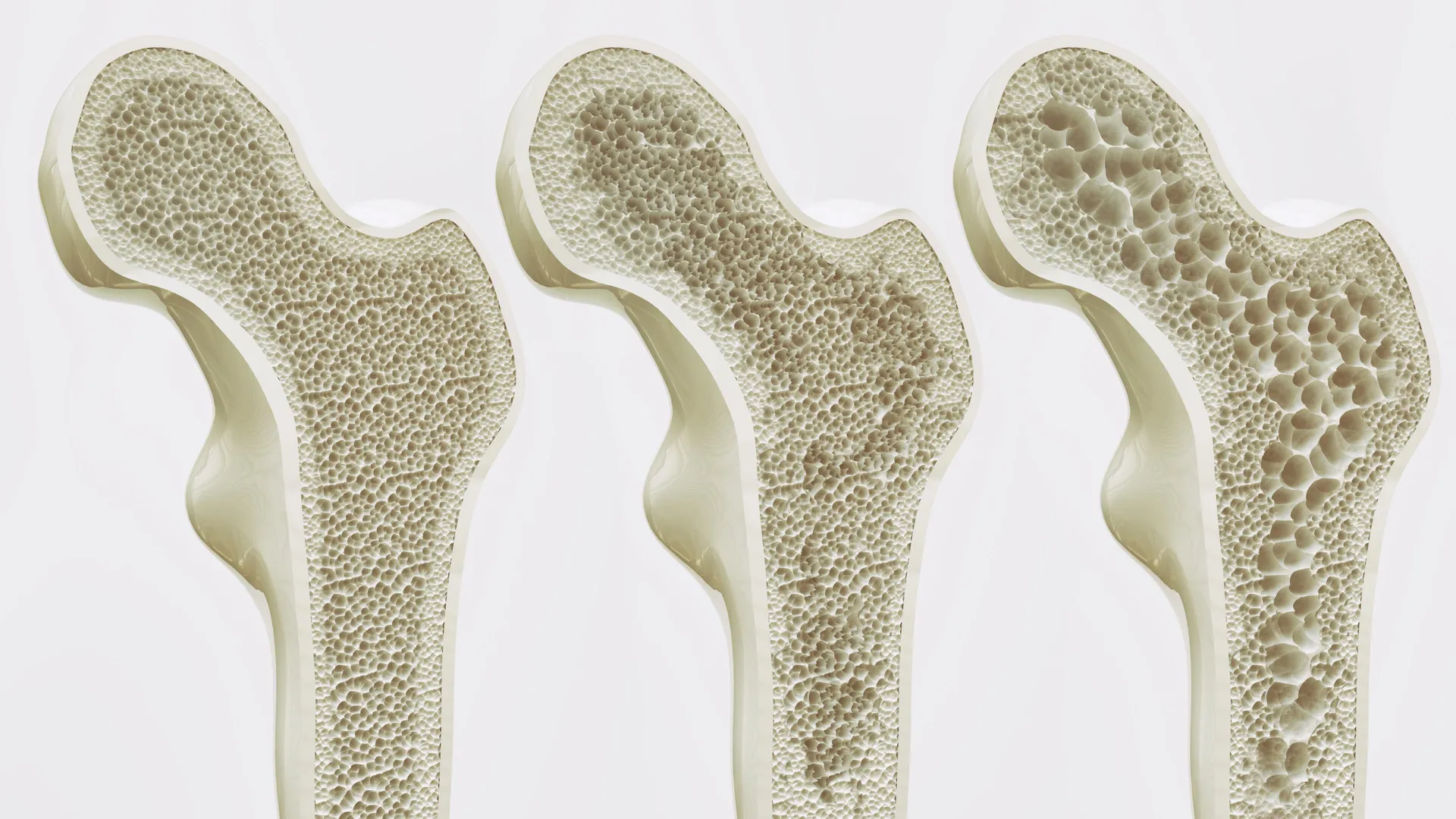
ऑस्टिओपोरोसिस संशोधनात हाड खनिज घनता हे मध्यवर्ती मापन आहे, कारण ते फ्रॅक्चरचा धोका अंदाजायला मदत करते, विशेषतः वृद्धांमध्ये. 50 वर्षांवरील महिलांमध्ये ऑस्टिओपोरोसिसचा मोठा भाग आढळतो, आणि कूल्हा व आसपासच्या संरचनांचे फ्रॅक्चर हालचालक्षमता, स्वातंत्र्य आणि दीर्घकालीन आरोग्यावर गंभीर परिणाम करू शकते. म्हणूनच आहार आणि पेय सेवनासह रोजचे वर्तन कालांतराने हाडांची ताकद कशी बदलते, याचा अभ्यास संशोधक सतत करतात.
या अभ्यासाने कूल्हा आणि फेमोरल नेक यांवर लक्ष केंद्रित केले, त्यामागे चांगले कारण आहे. ही क्षेत्रे गंभीर फ्रॅक्चर परिणामांशी निकट संबंधित आहेत, आणि तिथले बदल कमी असुरक्षित ठिकाणांतील बदलांपेक्षा अधिक चिकित्सकीय अर्थपूर्ण असू शकतात. एखादी सामान्य पेय सवय त्या भागांतील चांगल्या किंवा वाईट मोजमापांशी सातत्याने संबंधित असल्यास, ती वैयक्तिक सल्ला आणि भविष्यातील संशोधन प्राधान्यांना दिशा देऊ शकते.
सेवनाचा आकारही दांव वाढवतो. अब्जावधी लोक दररोज कॉफी किंवा चहा पितात. एखादा छोटा परिणाम खरोखर असेल, तर तो मोठ्या ग्राहकवर्गावर लागू होईल. याचा अर्थ निष्कर्षांनी घाबरून जायचे असे नाही, पण संशोधक आणि सार्वजनिक आरोग्य निरीक्षक अशा अभ्यासांकडे इतके लक्ष का देतात, हे यामुळे स्पष्ट होते.
या निष्कर्षाचा उपयोग कसा करावा
सर्वात व्यवहार्य निष्कर्ष म्हणजे संयम. दिलेल्या स्रोतामध्ये असे काहीही नाही की मध्यम प्रमाणात कॉफी पिणाऱ्यांनी आपल्या हाडांचे नुकसान केले आहे असे मानावे. उलट, मध्यम सेवनाच्या पातळ्यांवर कोणतीही स्पष्ट हानी दिसली नाही. अधिक ठळक सावधगिरी अतिशय जास्त सेवनाच्या बाबतीत लागू होते, जिथे कमी हाड खनिज घनतेशी संबंध दिसून आला.
दरम्यान, या डेटासेटमध्ये चहाचा थोडासा सकारात्मक फायदा दिसतो. स्रोत मजकुरात त्यामागील यंत्रणा निश्चित केलेली नाही, पण तो संकेत सांख्यिकीयदृष्ट्या महत्त्वाचा म्हणून नोंदवला जाईल इतका मजबूत होता. त्यामुळे चहा पुढील अभ्यासासाठी एक रंजक उमेदवार ठरतो, विशेषतः भविष्यातील काम काही संयुगे, सेवन पद्धती, किंवा व्यापक जीवनशैली घटक या संबंधाचे स्पष्टीकरण देतात का, हे स्पष्ट करू शकल्यास.
चिकित्सक आणि संशोधकांसाठी, हा अभ्यास आठवण करून देतो की पोषणविषयक प्रश्न अनेकदा सोप्या मथळ्यांमध्ये बसत नाहीत. या विश्लेषणात कॉफी पूर्णतः हानिकारक असल्याचे दाखवलेले नाही, आणि चहाला सर्वांवरील उपाय म्हणूनही मांडलेले नाही. त्याऐवजी, निष्कर्ष अधिक वास्तववादी सार्वजनिक आरोग्य नमुन्याशी जुळतात: सामान्य सवयींचे छोटे परिणाम असू शकतात, मर्यादा महत्त्वाच्या असतात, आणि धोका बर्याचदा मात्रेवर अवलंबून असतो.
वाचकांसाठी संदेशही तितकाच संतुलित आहे. तुम्ही सामान्य प्रमाणात कॉफी पिता, तर हा अभ्यास कोणतीही स्पष्ट समस्या दाखवत नाही. जर तुमचे सेवन नियमितपणे दिवसाला पाच कपांपेक्षा खूप जास्त असेल, तर ती पातळी दीर्घकाळ टिकवण्याजोगी आहे का, याचा विचार करण्यासाठी हे संशोधन आणखी एक कारण देते. आणि चहा आधीच तुमच्या दिनक्रमाचा भाग असेल, तर हा अभ्यास सूचित करतो की तो, किमान अभ्यासातील वृद्ध महिलांमध्ये, थोडा हाड-घनता फायदा देऊ शकतो.
अनेक निरीक्षणात्मक पोषण अभ्यासांप्रमाणे, पुढचे पाऊल मोठा निष्कर्ष नसून अधिक परिष्करण आहे. हा नमुना इतर लोकसंख्यांमध्ये टिकतो का, पुरुष किंवा तरुण प्रौढांमध्येही असेच निष्कर्ष दिसतात का, आणि मध्यम व जास्त कॉफी सेवनातील फरक कोणते जैविक मार्ग स्पष्ट करू शकतात, हे संशोधक तपासू इच्छितील. सध्या, दिलेल्या सामग्रीने समर्थित सर्वात मजबूत निष्कर्ष मर्यादित आहे: जवळपास 10,000 वृद्ध महिलांच्या दशकभराच्या गट-अभ्यासात चहा किंचित जास्त कूल्हा हाड घनतेशी संबंधित होता, तर दिवसाला पाच कपांपेक्षा जास्त कॉफी पिणे कमी हाड घनतेशी संबंधित होते.
हा लेख Science Daily च्या वार्तांकनावर आधारित आहे. मूळ लेख वाचा.
Originally published on sciencedaily.com