Anthropic चा नवीन standard AI agentsना प्रत्यक्ष जगातील मशीनांशी जोडण्याचा उद्देश ठेवतो
Anthropic ने Model Hardware Standard, किंवा MHS, असे जे म्हणते ते सादर केले आहे. हे research-preview framework AI agentsना physical devices शी संवाद साधण्यासाठी एक समान मार्ग देण्यासाठी तयार केले आहे. कल्पना सोपी आहे, पण तिचे परिणाम महत्त्वाचे ठरू शकतात: workflow मधील प्रत्येक microscope, camera, robotic arm, laser system, किंवा इतर मशीनसाठी custom software links आवश्यक असण्याऐवजी, MHS shared drivers आणि data formats चा एक संच देण्याचा उद्देश ठेवतो, ज्यामुळे systems एकाच standardized layer द्वारे संवाद साधू शकतील.
हे महत्त्वाचे आहे, कारण आजची बहुतेक agentic AI activity अजूनही digital environments पुरतीच मर्यादित आहे. Models आधीच text तयार करू शकतात, code लिहू शकतात, images बदलू शकतात, आणि software tools मध्ये actions घेऊ शकतात. पण त्या जगातून physical systems मध्ये जाणे अधिक कठीण आहे. प्रत्यक्ष equipment विविध vendors, protocols, आणि one-off interfaces मध्ये विखुरलेले असते, आणि ते जोडण्यासाठी अनेकदा weeks किंवा months engineering work लागतो, त्यानंतरच एखादा automated workflow चालू शकतो.
Anthropic चा दावा आहे की MHS हा integration burden कमी करू शकतो. कंपनीच्या वर्णनानुसार, standard वापरणारी devices network द्वारे data शेअर करू शकतात आणि instructions स्वीकारू शकतात, प्रत्येक connection साठी वेगळ्या translator ची गरज न पडता. प्रत्यक्षात, यामुळे एक तुकड्यात विभागलेली lab किंवा industrial setup automation साठी common operating environment च्या अधिक जवळ जाऊ शकते.
पहिले लक्ष्य scientific research का
Anthropic सुरुवातीला MHS ला consumer robotics किंवा factory automation ऐवजी science भोवती मांडत आहे. कंपनी म्हणते की हा research preview scientists ना त्या custom software कामापासून वाचवण्यासाठी आहे, जे बहुतेक वेळा experiment design आणि executable setup यांच्या मध्ये अडथळा ठरते. अनेक advanced labs मध्ये, वेगवेगळ्या suppliers कडील instruments अत्यंत अचूकपणे synchronize करावे लागतात, पण त्यांना कधीच एकाच भाषेत बोलण्यासाठी बनवलेले नव्हते.
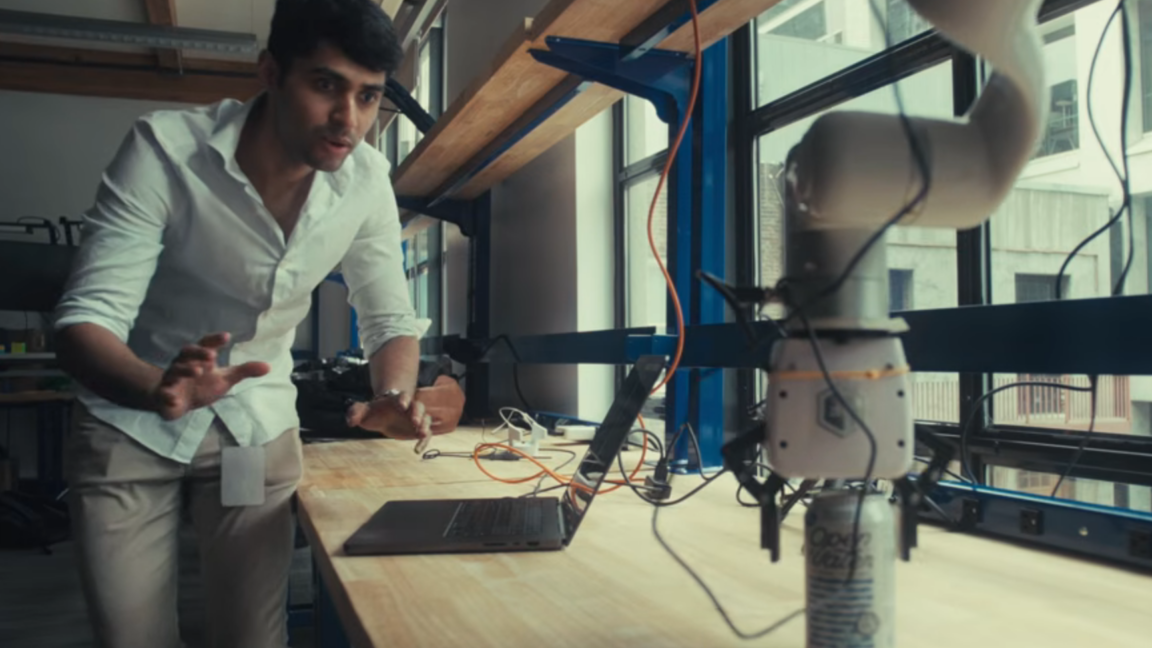
घोषणेसोबतच्या वर्णनात Anthropic ने सांगितले की हा project Virginia मधील Ashburn येथील Howard Hughes Medical Institute च्या Janelia Research Campus मधील कामातून प्रेरित आहे. तिथे neuroscientist Arco Bast यांनी मेंदूमधील memory formation चा अभ्यास करताना rotating lasers, microscopes, cameras, आणि इतर experimental components shared interface द्वारे समन्वित करण्याची पद्धत विकसित केली होती. Anthropic चे technical staffer Alek Kemeny यांनी सांगितले की या उदाहरणातून व्यापक शक्यता सूचित झाली: जर एक lab गुंतागुंतीच्या experiment साठी एक एकत्रित control layer तयार करू शकते, तर standardized approach AI ला भविष्यात आणखी अनेक experimental systems चालवण्यास किंवा समन्वयित करण्यास मदत करू शकते.
तात्काळ मिळणारे फायदे पूर्णपणे autonomous science इतके नाट्यमय नसले तरी महत्त्वाचे आहेत. जर MHS integration work महिन्यांवरून तासांवर किंवा मिनिटांवर आणू शकतो, असे Anthropic म्हणते, तर sophisticated experimental setups automate करण्याची क्षमता कोणाला मिळेल हे बदलू शकते. आज ही क्षमता अनेकदा असामान्यरीत्या मजबूत in-house engineering talent वर अवलंबून असते. एक standard interface automation अधिक portable बनवू शकतो, labs आणि institutions दरम्यान, instruments जोडणाऱ्या, runs orchestrate करणाऱ्या, आणि structured data अधिक सातत्याने capture करू इच्छिणाऱ्या teams साठी अडथळे कमी करू शकतो.

फक्त AI feature नाही, तर translation layer
या घोषणेतील एक लक्षवेधी बाब म्हणजे MHS ला केवळ AI-only infrastructure म्हणून मांडलेले नाही. Anthropic म्हणते की standard ला support करणाऱ्या devices ना language model शिवायही command-line prompts आणि API code files द्वारे थेट नियंत्रित करता येईल. ही मांडणी महत्त्वाची आहे, कारण त्यामुळे standard हा Claude साठी marketing wrapper नसून स्वतःच्या technical merits वर उभा राहू शकणारा interoperability layer वाटतो.
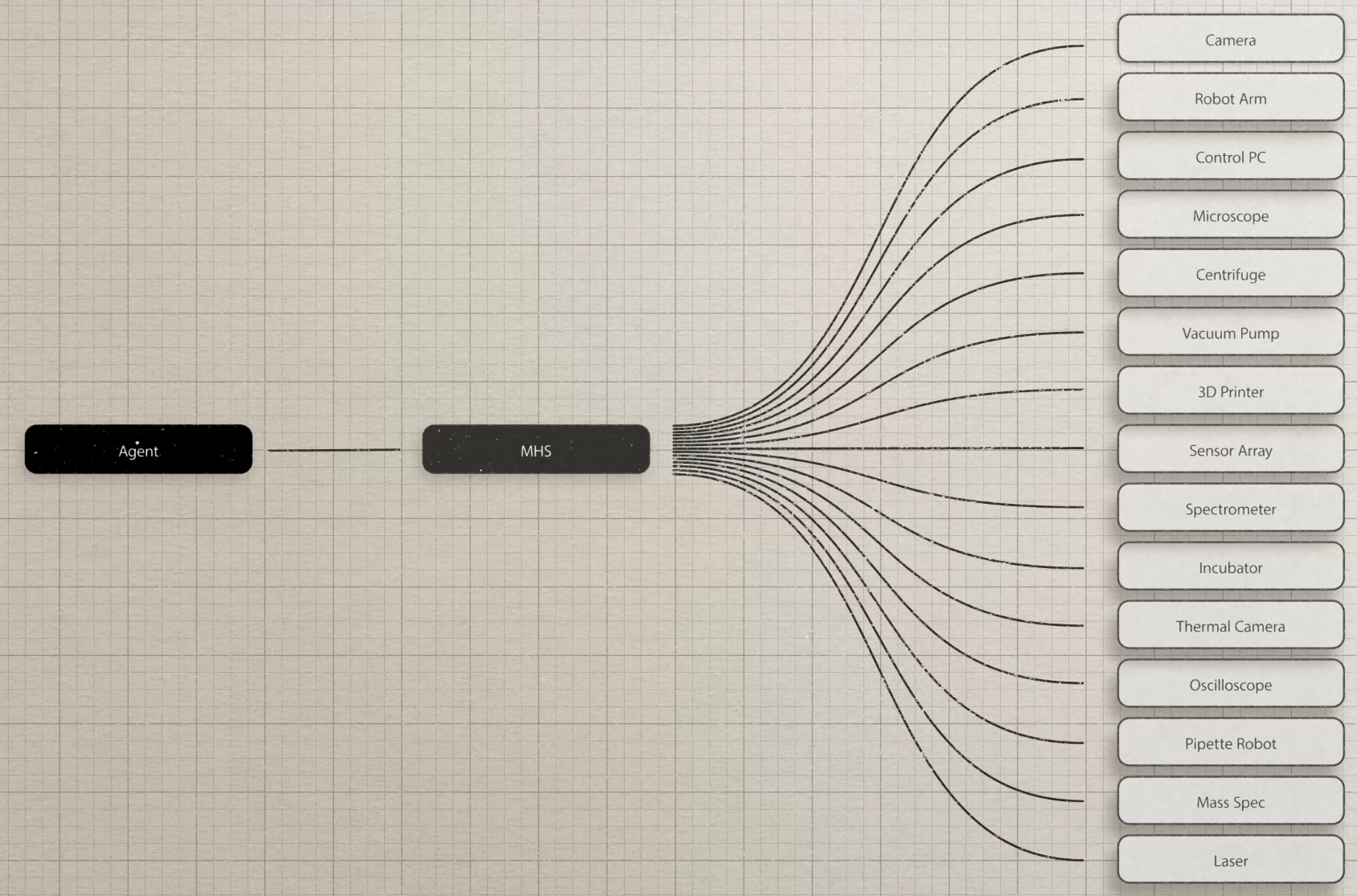
AI angle तेव्हा समोर येतो, जेव्हा MHS ला Model Context Protocol सोबत जोडले जाते, जे models ना tools आणि external systems शी जोडण्यासाठी आणखी एक Anthropic-backed प्रयत्न आहे. दोन्ही layers एकत्र केल्यास असा stack तयार होतो, ज्यात एक model उपलब्ध devices समजू शकतो, shared control interface द्वारे instructions देऊ शकतो, आणि प्रत्येक instrument pairing साठी custom glue code शिवाय structured feedback मिळवू शकतो.
हा दृष्टिकोन physical AI मधील सर्वात मोठ्या bottlenecks पैकी एकावर काम करतो: केवळ reasoning नव्हे, तर विश्वासार्ह action. एखादा model steps ची मालिका आखू शकतो, पण hardware ने predictable controls आणि readable states दिल्यासच त्या plans उपयुक्त ठरतात. MHS तेच हरवलेले consistency पुरवण्याचा प्रयत्न करतो.
Adoption झाली तर काय बदलू शकते
MHS चे महत्त्व घोषणेपेक्षा device makers, labs, आणि automation teams ते स्वीकारतात की नाही यावर अधिक अवलंबून असेल. Standards तेव्हाच शक्तिशाली होतात, जेव्हा अनेक पक्ष त्यांच्या भोवती बांधकाम करण्याचा खर्च स्वीकारतात. जर MHS Anthropic demos शी जोडलेला अरुंद research preview राहिला, तर त्याचा प्रभाव मर्यादित राहील. जर instruments आणि workflows मध्ये त्याला व्यापक पाठिंबा मिळाला, तर तो AI ला advisory software मधून physical systems च्या सक्रिय coordination कडे नेणारा मोठा बदल वेगवान करू शकतो.
Scientific labs हा एक स्पष्ट पहिला proving ground आहे, कारण तिथे आधीच विविध, software-controlled hardware असते आणि उच्च-मूल्याच्या workflows तयार होतात जिथे integration time खर्चिक असतो. पण underlying logic research च्या पलीकडे जाऊ शकते. networked devices, machine-readable outputs, आणि पुनरावृत्ती होणारे configuration work असलेले कोणतेही environment common control layer चा फायदा घेऊ शकते.
याचा अर्थ असा नाही की standard प्रत्येक आव्हान सोडवतो. Physical systems मध्ये chatbot किंवा coding assistant पेक्षा खूप अधिक कडक reliability, safety, calibration, आणि supervision गरजा असतात. एक common interface orchestration सोपे करू शकतो, पण AI ला machinery वर action घेण्याची परवानगी दिल्यावर guardrails ची गरज संपत नाही. तसेच models अनिश्चित किंवा high-stakes परिस्थितीत चांगले निर्णयच घेतील याची हमीही तो देत नाही.
तरीही Anthropic चे हे पाऊल लक्षवेधी आहे, कारण ते digital agents कडून embodied किंवा device-linked AI कडे जाण्याचा बदल मंदावणाऱ्या एका व्यावहारिक अडथळ्याकडे निर्देश करते. physical world वर AI control या भोवतीची उद्योगातील बरीच चर्चा model capability वर केंद्रित राहिली आहे. MHS मात्र plumbing वर लक्ष केंद्रित करतो: drivers, formats, आणि interfaces, जे ठरवतात की सक्षम models प्रत्यक्ष equipment सोबत खरंच उपयुक्त काम करू शकतात की नाही.
कदाचित हाच या घोषणेचा सर्वात महत्त्वाचा संकेत आहे. Anthropic फक्त हे म्हणत नाही की AI ने machines नियंत्रित कराव्यात. ती असा प्रस्ताव मांडत आहे की तिथपर्यंतचा मार्ग standardization मधून जातो. जर हा thesis खरा ठरला, तर agentic AI चा पुढचा टप्पा intelligence मधील नाट्यमय झेपांवर कमी आणि hardware समजण्यासारखे, address करण्यायोग्य, आणि मोठ्या प्रमाणावर interoperable बनवण्याच्या शांत कामावर अधिक अवलंबून असेल.
हा लेख Ars Technica च्या रिपोर्टिंगवर आधारित आहे. मूळ लेख वाचा.

Originally published on arstechnica.com