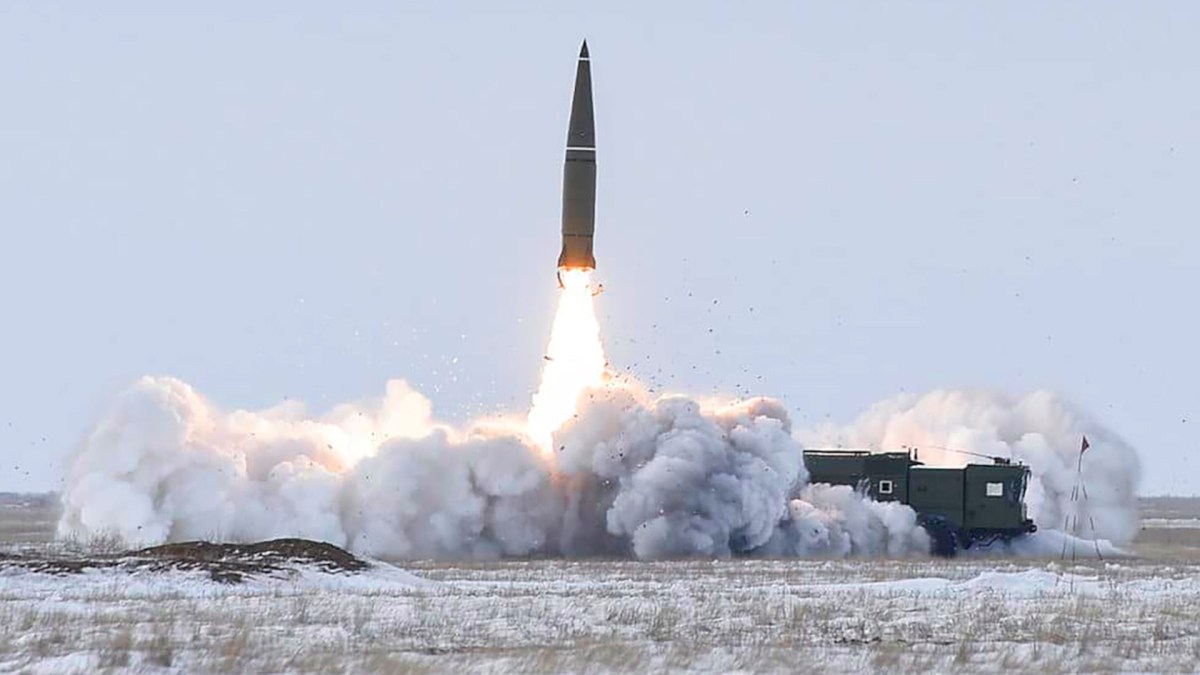
Ukraine Says Russia Has Introduced a Longer-Range Iskander Variant
युक्रेनियन लष्करी गुप्तचरांचे म्हणणे आहे की रशियाने कीव्हवरील हल्ल्यांमध्ये आपल्या Iskander बॅलिस्टिक क्षेपणास्त्राची अद्ययावत आवृत्ती वापरली आहे, ज्यामुळे आधीच कठीण असलेली हवाई आणि क्षेपणास्त्र संरक्षणाची समस्या अधिक गुंतागुंतीची होऊ शकते. Ukraine’s Defense Intelligence Directorate, किंवा GUR, नुसार, हे नवे क्षेपणास्त्र 9M723-2 आहे, ज्याची ओळख अहवालात “Iskander-1000” अशी दिली आहे.
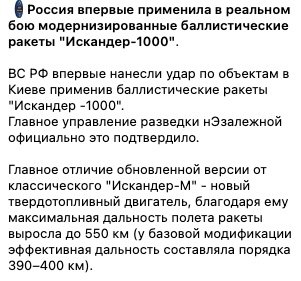
मुख्य दावा सरळ आहे, पण त्याचे परिणाम महत्त्वाचे आहेत: नव्या क्षेपणास्त्राची मारक क्षमता, युक्रेनच्या म्हणण्यानुसार रशिया पूर्वी वापरत असलेल्या आधीच्या आवृत्तीपेक्षा, अधिक दूरपर्यंत आहे. GUR ने अद्ययावत क्षेपणास्त्राची कमाल पल्ला 550 किलोमीटर असा दिला, तर आधीच्या 9M723-1 प्रकाराचा पल्ला सुमारे 390 किलोमीटर होता. हे अचूक असेल, तर त्या वाढीमुळे रशियन दलांना लाँचर्स कुठे ठेवायचे आणि त्यांना रशियन प्रदेशात किती खोलवर सुरक्षित ठेवायचे याबाबत अधिक लवचिकता मिळेल, तरीही युक्रेनियन लक्ष्यांना धोक्यात ठेवत.
युक्रेनसाठी, याचा अर्थ शहरांवरील तातडीच्या धोक्यापेक्षा अधिक आहे. जास्त पल्ल्याची क्षेपणास्त्रे प्रक्षेपणापूर्वी लाँच प्लॅटफॉर्म शोधून नष्ट करण्याच्या प्रयत्नांना अधिक अवघड करतात, आणि ही जबाबदारी तेव्हा आणखी कठीण होते जेव्हा त्या प्रणाली अधिक खोलवर, आणि कदाचित अधिक संरक्षित, मागील क्षेत्रांतून कार्य करू शकतात.
Why Range Changes the Tactical Equation
बॅलिस्टिक क्षेपणास्त्रे आधीच रोखणे कठीण असते, कारण त्यांचा वेग, उड्डाणाचा नमुना आणि कमी चेतावणी-वेळ. प्रक्षेपणाचा पल्ला वाढवल्याने ही मूलभूत वैशिष्ट्ये बदलत नाहीत, पण हल्लेखोरासाठी कार्यक्षेत्र विस्तारते. ज्या लाँचरला पूर्वी सीमेजवळ जायला लागायचे, तो आता अधिक मागे राहू शकतो, त्यामुळे युक्रेनियन दीर्घ-पल्ल्याच्या हल्ल्यांपासून, ड्रोनपासून आणि टेहळणीपासून त्याची असुरक्षितता कमी होते.
या बदलाचा प्रत्यक्ष लष्करी परिणाम होतो. लाँचर्स जितके मागे राहू शकतात, तितका अधिक प्रदेश युक्रेनला त्यांना शोधण्यासाठी निरीक्षणात ठेवावा लागतो, आणि प्रक्षेपणापूर्वीच्या शोधमोहिमेसाठी अधिक साधने द्यावी लागतात. क्षेपणास्त्र प्रणालींविरुद्धची मोहीम नमुने ओळखणे, सहाय्यक पायाभूत सुविधा शोधणे, आणि पुढचा हल्ला खंडित होईल इतक्या वेगाने फायरिंग स्थिती ओळखणे यावर अवलंबून असते. अधिक पल्ला म्हणजे अधिक संभाव्य प्रक्षेपण क्षेत्रे आणि हल्लेखोरावर पुढे येण्याचा धोका स्वीकारण्याचा कमी दबाव.
GUR चे विधान नेमकी हीच चिंता सूचित करते. गुप्तचर संस्थेने या अद्ययावत क्षेपणास्त्राला रशियाच्या स्वतःच्या प्रदेशाच्या अधिक आतून हल्ले सुरू करण्याच्या व्यापक आव्हानाशी जोडले. लाँचरच्या टप्प्यावरची असुरक्षितता कमी झाली की तुलनेने थोडी पल्ल्यातील वाढही कार्यात्मक दृष्ट्या मोठी ठरू शकते.
What Ukraine Says It Found
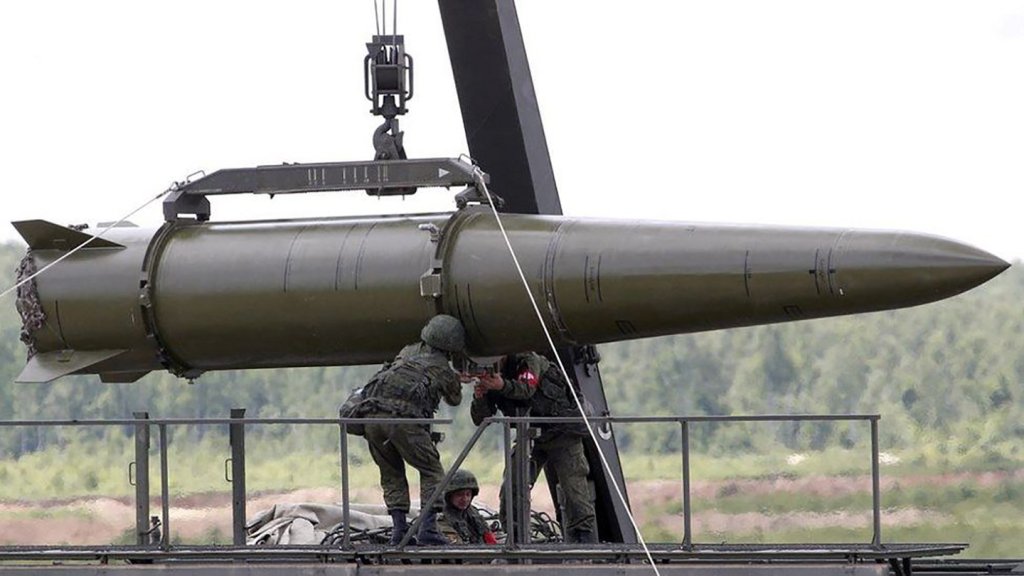
युक्रेनच्या गुप्तचर सेवेने सांगितले की हे अद्ययावत क्षेपणास्त्र या उन्हाळ्यात कीव्हवरील संयुक्त हल्ल्यांपैकी एका हल्ल्यात वापरले गेले. दिलेल्या स्रोत मजकुरात त्या हल्ल्याची नेमकी तारीख दिलेली नाही, तसेच क्षेपणास्त्राच्या वापराशी संबंधित संपूर्ण नुकसान-मूल्यमापनाचे तपशीलही नाहीत. GUR ने त्यांनी पुनर्प्राप्त केलेले घटक असल्याचे वर्णन केलेल्या भागांचे फोटोही प्रसिद्ध केले, मात्र स्रोत सामग्रीत त्या भागांचे तांत्रिक विश्लेषण, ते कुठे सापडले, किंवा कधी सापडले, याचा समावेश नाही.
त्यामुळे सार्वजनिक नोंदीत काही पोकळी राहतात. दावा महत्त्वाचा आहे, पण उपलब्ध पुरावा युक्रेनियन गुप्तचर निवेदन, त्यांनी दिलेले पल्ल्याचे आकडे, आणि घटकांच्या फोटोंच्या संदर्भापुरता मर्यादित आहे. अहवालातच व्यापक कालरेषेबाबत अनिश्चितता मान्य केली आहे, कारण 2026 च्या सुरुवातीला न पडताळलेल्या अहवालांतून हे शस्त्र दिसले असावे असे आधीच सुचवले गेले होते.
ही सावधगिरी महत्त्वाची आहे. वेगाने बदलणाऱ्या युद्धांमध्ये, शस्त्रांच्या दिसण्याच्या घटना, अवशेषांचे विश्लेषण, आणि अधिकृत जबाबदारी ठरवणे अनेकदा असमान रीतीने पुढे येते. राष्ट्रीय गुप्तचर सेवेकडून थेट आलेले सार्वजनिक दावे तरीही अर्थपूर्ण असू शकतात, विशेषतः संघर्षात थेट सहभागी असलेल्या संस्थेकडून आले असल्यास, पण जाहीर केलेल्या तपशीलांची पातळी बाहेरील विश्लेषक त्यांना किती लवकर स्वतंत्रपणे पडताळू शकतील, हे ठरवते.
A Weapon With Political History Behind It
हा अहवाल क्षेपणास्त्राला दीर्घ धोरणात्मक संदर्भातही ठेवतो. वाढीव पल्ल्याच्या Iskander प्रकारावरची चर्चा INF Treaty चौकटीच्या कोसळल्यानंतरपासून सुरू आहे. INF Treaty ने अमेरिका आणि सोव्हिएत युनियन, आणि नंतर रशिया, यांना 500 ते 5,500 किलोमीटर पल्ल्याच्या काही जमिनीवरून प्रक्षेपित क्षेपणास्त्रांचे तैनातीवर बंदी घातली होती.
स्रोत मजकुरानुसार, मागील वर्षांतील अहवालांत रशियाने नव्या Iskander आवृत्तीवर काम केल्याचे संकेत होते, ज्यात पल्ला लक्षणीय वाढवला गेला होता आणि अचूकताही सुधारली होती. नव्याने उद्धृत केलेला 550-किलोमीटरचा आकडा जुन्या INF खालच्या मर्यादेच्या थोडा वर आहे. याने एकट्यानेच त्या क्षेपणास्त्राची तांत्रिक उत्पत्ती स्पष्ट होत नाही, पण या कुटुंबातील कोणतीही पल्ल्यातील वाढ रणांगणाच्या पलीकडेही का लक्ष वेधून घेते, हे अधोरेखित होते. क्षेपणास्त्राचा पल्ला हा केवळ एक तपशील नसतो; तो सिद्धांत, तळांची मांडणी, तणाववाढीचे धोके, आणि प्रतिबंधाच्या भूगोलावर परिणाम करतो.
युक्रेनसाठी, तातडीचा मुद्दा व्यावहारिक आहे, करार-सिद्धांतात्मक नाही. रशियाच्या अधिक आतून डागता येणारे क्षेपणास्त्र संरक्षणावर दबाव वाढवू शकते, आणि युक्रेनला अडथळा आणण्यासाठी उपलब्ध लक्ष्यांची संख्या कमी करू शकते. पण मोठी कथा अशी आहे की, हा संघर्ष दाखवतो की जुनी क्षेपणास्त्र प्रणाली टप्प्याटप्प्याने कशा सुधारता येतात, ज्यामुळे पूर्णपणे नवीन शस्त्रवर्गाशिवायही मोहिमेची गती बदलू शकते.
What This Means for the Next Phase of the Air War
अद्ययावत Iskander आता कार्यरत वापरात असेल, तर युक्रेनला interception, dispersion, आणि pre-launch suppression यांच्यात अधिक घट्ट संघर्षाचा सामना करावा लागेल. इंटरसेप्टर्स संरक्षणाची एक रेषा राहतील, पण ते मर्यादित असतात आणि बॅलिस्टिक क्षेपणास्त्रे, क्रूझ क्षेपणास्त्रे आणि ड्रोन अशा विविध धोक्यांवर वाटप करावे लागते. पायाभूत सुविधा मजबूत करणे आणि महत्त्वाच्या साधनांचा विखुराव करणे असुरक्षितता कमी करू शकते, पण त्यामुळे नागरी भागांवरील धोका पूर्णपणे नाहीसा होत नाही.
तिसरा प्रयत्न, म्हणजे प्रक्षेपणापूर्वी क्षेपणास्त्र युनिट्सवर हल्ला करणे, standoff अंतर वाढत जाईल तसा अधिक कठीण होतो. पण त्यामुळे ते अशक्य होत नाही. अधिक लांब पल्ल्याची नजर, चांगले गुप्तचर संमेलन, आणि सहाय्यक नोड्सवरील हल्ले अजूनही खर्च लादू शकतात. मात्र लाँचर्स अधिक विस्तृत आणि सुरक्षित मागील भागातून काम करू शकत असतील, तर या समस्येचे अर्थशास्त्र आणि वेळापत्रक रशियाच्या बाजूने झुकते.
म्हणूनच हा अहवाल युद्धातील एक परिचित नमुना दाखवतो: एका बाजूच्या बदलाशी दुसऱ्या बाजूला प्रतिचालन करावे लागते. रशिया अधिक टिकाऊ क्षेपणास्त्र वापर शोधत असल्याचे दिसते. प्रत्युत्तरात, युक्रेनला आपली लक्ष्यीकरण आणि संरक्षणाची भूमिका अशा धोक्यासाठी समायोजित करावी लागेल, जो आता कुठून सुरू होतो याबाबत अधिक लवचिक असू शकतो.
The Bottom Line
युक्रेनच्या दाव्यातून सर्वात महत्त्वाचा निष्कर्ष इतकाच नाही की एखाद्या क्षेपणास्त्राचा पल्ला कागदावर बदलला आहे. मुद्दा असा आहे की अधिक लांब पल्ल्याचे Iskander, जर आता युद्धात वापरले जात असतील, तर रशियाची असुरक्षितता कमी करताच युक्रेनमधील उच्च-मूल्याच्या लक्ष्यांना धमकावण्याची क्षमता टिकवू शकतात. हे संयोजन महत्त्वाचे आहे, कारण त्यामुळे क्षेपणास्त्र संरक्षण आणि आक्रमक प्रतिहल्ला दोन्हींवर एकाच वेळी दबाव येतो.
दिलेलेल्या सामग्रीमध्ये सार्वजनिक पुरावा अजूनही मर्यादित आहे, आणि काही तपशील अद्याप अपुष्ट आहेत. पण त्या सावधगिरीनंतरही, 9M723-2 दिसल्याची बातमी ही लक्षवेधी रणांगणीय घडामोड आहे. धोरणात्मक परिणाम घडवणाऱ्या टप्प्याटप्प्याच्या तांत्रिक बदलांनी परिभाषित झालेल्या युद्धात, अधिक खोलवरून प्रक्षेपित होणारे बॅलिस्टिक क्षेपणास्त्र नेमके त्याच नमुन्यात बसते.
हा लेख twz.com च्या रिपोर्टिंगवर आधारित आहे. मूळ लेख वाचा.
Originally published on twz.com