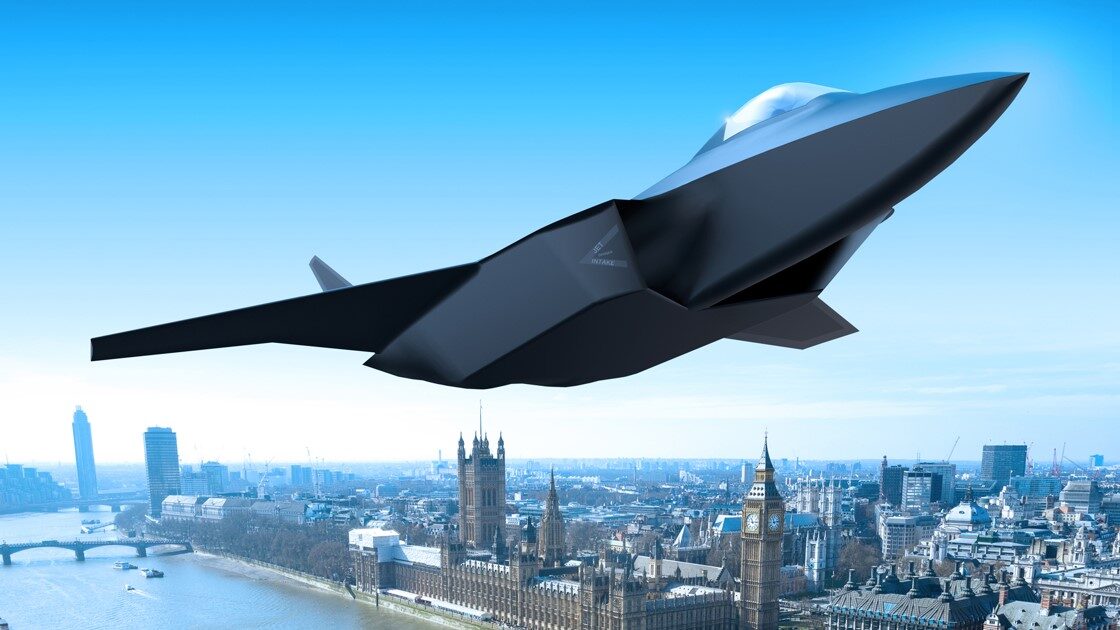
लढाऊ विमान शर्यतीत कॅनडाला नवी जागा
कॅनडा औपचारिकपणे Global Combat Air Programme, किंवा GCAP, मध्ये भागीदारीचा पहिला निरीक्षक म्हणून सामील झाला आहे, ज्यामुळे जगातील सर्वात महत्त्वाकांक्षी लष्करी विमानवाहतुकीच्या प्रयत्नांपैकी एका मध्ये अधिक जवळून सहभागी होण्याचा मार्ग खुला झाला आहे. या घोषणेमुळे UK, Japan आणि Italy यांच्या नेतृत्वाखालील प्रकल्पाच्या कक्षेत ओटावाचा समावेश झाला आहे, अशा वेळी जेव्हा पुढील पिढीची हवाई ताकद सहयोगी सरकारांसाठी धोरणात्मक आणि औद्योगिक प्राधान्य बनत चालली आहे.
या नव्या दर्जामुळे कॅनडा पूर्ण विकास भागीदार बनत नाही, आणि आतापर्यंत जाहीर झालेल्या तपशीलांमधून अनेक मोठे प्रश्न अनुत्तरित राहतात. मात्र, ब्रिटिश अधिकाऱ्यांनी वर्णन केल्याप्रमाणे, यामुळे ओटावाला क्षमता विकास, औद्योगिक सहकार्य आणि दीर्घकालीन पुरवठा नियोजन यांमध्ये विशेष प्रवेश मिळतो. प्रत्यक्षात याचा अर्थ कॅनडा कार्यक्रमाचा अधिक जवळून अभ्यास करू शकेल, तसेच भविष्यातील खरेदी, संरक्षण तंत्रज्ञान भागीदाऱ्या आणि एरोस्पेस कामवाटणी यांना आकार देऊ शकणारे संबंध निर्माण करू शकेल.
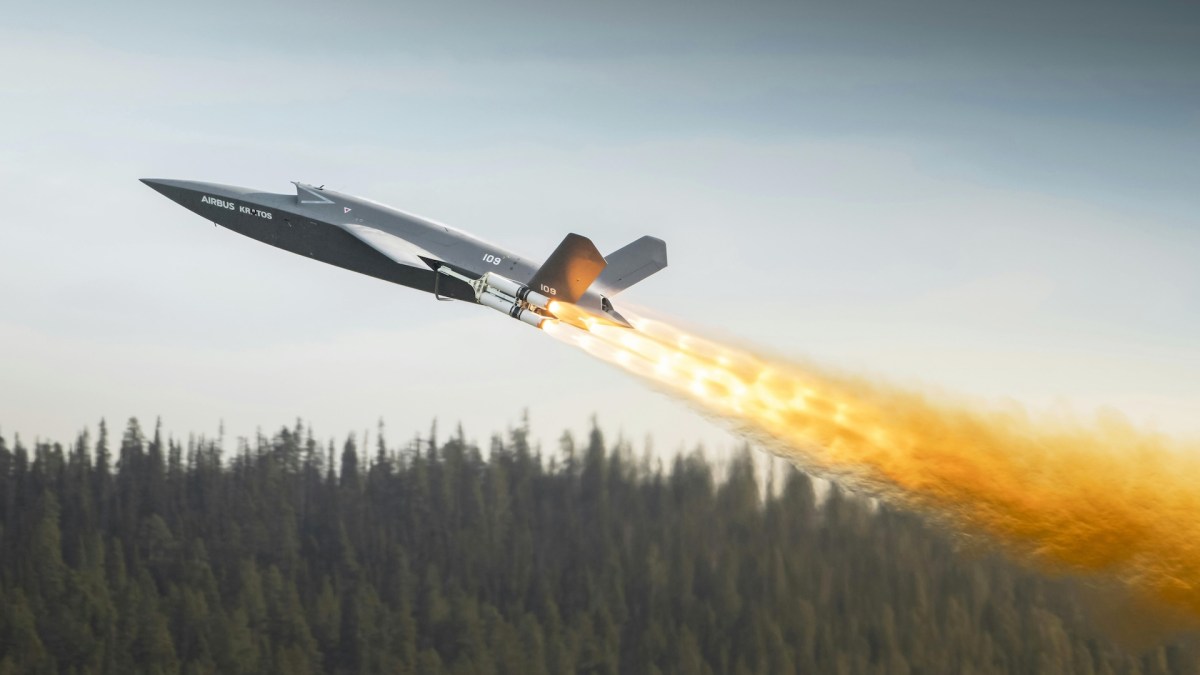
हा निर्णय महत्त्वाचा आहे, कारण GCAP आता बहुराष्ट्रीय स्वरूपात पुढे सरकत असलेला एकमेव सक्रिय आंतरराष्ट्रीय सहाव्या पिढीचा लढाऊ विमान प्रयत्न म्हणून उभा राहतो. हा कार्यक्रम केवळ एक स्टेल्थयुक्त, मानवी चालक असलेले विमान देण्यासाठी नाही. तो अधिक व्यापक लढाऊ प्रणालीचीही कल्पना करतो, ज्यामध्ये घट्ट नेटवर्क केलेल्या क्षमता आणि ड्रोन wingmen यांचा समावेश असेल, जे एकाकी लढाऊ विमानांपासून दूर जाऊन जोडलेल्या प्रणालींच्या कुटुंबांकडे होत असलेल्या हवाई ताकदीतील व्यापक बदलाचे प्रतिबिंब आहे.
GCAP आता का अधिक महत्त्वाचा आहे
GCAPची प्रमुखता वेगाने वाढली आहे, कारण त्याभोवतीचे क्षेत्र अरुंद झाले आहे. एक प्रतिस्पर्धी युरोपीय पुढील पिढीचा लढाऊ विमान उपक्रम, French-German-Spanish Future Combat Air System, उद्योगातील मतभेदांमुळे गेल्या महिन्यात कोसळल्याचे सांगितले जाते. त्यामुळे पूर्णपणे देशांतर्गत कार्यक्रमाबाहेर प्रगत लढाऊ विमान विकासाशी जोडलेले राहू इच्छिणाऱ्या देशांसाठी GCAP हा सर्वात स्पष्ट बहुराष्ट्रीय मार्ग उरतो.
US Air Force च्या F-47 प्रयत्नातून अमेरिका आपला स्वतःचा पुढील पिढीचा लढाऊ विमान कार्यक्रम पुढे नेत आहे, पण तो GCAP प्रमाणे आंतरराष्ट्रीय संघ म्हणून रचलेला नाही. म्हणूनच, रचना, औद्योगिक सहभाग आणि धोरणात्मक परस्परसुसंगतता यांमध्ये दीर्घकालीन प्रवेश शोधणाऱ्या देशांसाठी GCAP एक वेगळे काहीतरी देते: एक सहकार्यात्मक चौकट, जी केवळ विमान खरेदीच नव्हे तर भविष्यातील संरक्षण-औद्योगिक संरेखनही घडवू शकते.
कॅनडासाठी ही शक्यता अधिक वजनदार आहे. देश आधीपासूनच अत्यंत एकात्मिक उत्तर अमेरिकन संरक्षण संदर्भात कार्यरत आहे आणि आपल्या उच्चतम दर्जाच्या लष्करी तंत्रज्ञानासाठी मोठ्या प्रमाणावर अमेरिकेवर अवलंबून आहे. निरीक्षक म्हणून GCAPमध्ये प्रवेश केल्याने ते संबंध तुटत नाहीत, आणि कॅनेडियन अधिकाऱ्यांनी स्पष्टपणे हे मत नाकारले की हे पाऊल सध्याच्या द्विपक्षीय तणावाचा प्रतिसाद आहे. तरीही, वेळेमुळे हा निर्णय लक्षणीय ठरतो.
सुरक्षा दबाव आणि आर्थिक तणाव
ही घोषणा तणावपूर्ण भू-राजकीय पार्श्वभूमीवर आली. जपानचे संरक्षणमंत्री Shinjiro Koizumi यांनी कॅनडाच्या समावेशाला व्यापक वास्तवाशी जोडले: Indo-Pacific आणि Euro-Atlantic सुरक्षा आता वेगवेगळ्या रंगमंचांप्रमाणे पाहता येणार नाही. हा दृष्टिकोन महत्त्वाचा आहे, कारण GCAP आता केवळ एरोस्पेस कार्यक्रम म्हणून नव्हे तर अनेक प्रदेशांमध्ये समांतर लष्करी दबावाचा सामना करणाऱ्या धोरणात्मक समन्वयाच्या साधन म्हणूनही सादर केला जात आहे.
अधिकाऱ्यांनी जपानजवळील सुरू असलेल्या चिनी आणि रशियन नौदल हालचालींना त्या दबावाचे उदाहरण म्हणून दाखवले. Joint Sea-2026 सरावांतर्गत दोन्ही देशांनी केलेल्या संयुक्त कारवायांकडे Koizumi यांनी लक्ष वेधले आणि सरावादरम्यान एका चिनी लष्करी जहाजाने थेट गोळीबाराचे सराव केल्याचे नमूद केले. ब्रिटिश अधिकाऱ्यांनीही सोमवारी इंग्लंडच्या किनाऱ्याजवळ एका रशियन युद्धनौकेने प्रत्यक्ष गोळ्या झाडल्याचा उल्लेख करत, या घटनेला बेजबाबदार आणि व्यापक सातत्यपूर्ण धोक्यांच्या नमुन्याचा भाग असे म्हटले.

या दृष्टीकोनातून पाहिल्यास, कॅनडाची निरीक्षक भूमिका केवळ तांत्रिक व्यवस्था नाही. ती प्रगत संरक्षण सहकार्य मूळ तीन सदस्यांपलीकडे विस्तारत आहे याचे राजकीय संकेतही आहे. मर्यादित सहभागही गरजा जुळवून आणण्यास, अधिकाऱ्यांना आणि उद्योगाला कार्यक्रमाच्या विकाससंस्कृतीशी परिचित करून देण्यास, आणि प्रकल्प वेळेत व अपेक्षित कार्यक्षमतेनुसार पुढे गेल्यास भविष्यातील अधिक खोल सहभागासाठी पर्याय निर्माण करण्यास मदत करू शकतो.
त्याच वेळी, कॅनडाचा प्रवेश वॉशिंग्टनसोबत वाढत्या आर्थिक तणावाच्या काळात झाला आहे. मूळ अहवालात म्हटले आहे की US President Donald Trump यांनी कॅनेडियन वस्तूंच्या विस्तृत श्रेणीवर रातोरात 50 टक्के शुल्क लावले. कॅनडाचे संरक्षणमंत्री David McGuinty म्हणाले की GCAPमधील ओटावाचा सहभाग त्या चर्चांमुळे झाला नाही, पण हा समकालिकपणा दुर्लक्षित करणे कठीण आहे. व्यापार तणावाच्या काळात सरकारे अनेकदा आपले धोरणात्मक आणि औद्योगिक पर्याय विस्तृत करण्याचा प्रयत्न करतात, जरी ते त्याला धोरणात्मक उद्दिष्ट म्हणून स्पष्टपणे मांडत नसले तरी.
निरीक्षक दर्जाचा खरा अर्थ काय
सर्वात मोठा अनुत्तरित प्रश्न म्हणजे निरीक्षक या शब्दामागे किती वास्तविक आशय आहे. घोषणेसह जारी केलेल्या अधिकृत निवेदनांमध्ये केवळ मर्यादित तपशील देण्यात आले. कॅनडाला कार्यक्रम नियोजनाबद्दल अधिक स्पष्टता आणि क्षमता विकास तसेच औद्योगिक सहकार्यावरील चर्चांमध्ये अधिक जवळची भूमिका मिळेल अशी अपेक्षा आहे, पण हे औपचारिक गुंतवणूक, निश्चित कामवाटणी किंवा अखेरीस विमान खरेदीमध्ये कसे रूपांतरित होईल याचा कोणताही सार्वजनिक आराखडा अद्याप नाही.
ही अस्पष्टता दोन्ही प्रकारे परिणाम करते. एका बाजूला, ती प्रवेशाची अडचण कमी ठेवते, ज्यामुळे कॅनडा लगेच मोठ्या रकमा बांधील न करता किंवा भविष्यातील खरेदीमध्ये स्वतःला बांधून न ठेवता सहभागी होऊ शकतो. दुसऱ्या बाजूला, याचा अर्थ असा की उद्योग आणि संरक्षण नियोजकांना अजूनही स्पष्टता नाही की कॅनेडियन कंपन्यांना डिझाइन, उत्पादन, सॉफ्टवेअर, प्रणोदन, सेन्सर्स किंवा देखभालीशी संबंधित ठोस संधी मिळतील की नाही.
या अनिश्चिततांनंतरही, हे पाऊल तरीही अर्थपूर्ण आहे. संरक्षण कार्यक्रमांमध्ये सुरुवातीचा प्रवेश महत्त्वाचा असतो, विशेषतः अशा प्रकल्पांमध्ये जे भविष्यातील प्रणाली वास्तुकला आणि पुरवठा साखळ्यांसाठी मानके ठरवण्याचा प्रयत्न करतात. जे देश उशिरा चर्चेत सहभागी होतात त्यांच्याकडे अनेकदा पर्याय मर्यादित राहतात: इतरांनी डिझाइन केलेले विकत घेणे, किंवा मागे पडलेले अंतर भरून काढण्यासाठी प्रचंड खर्च करणे. निरीक्षक दर्जा कॅनडाला लवचिकता राखून आत पाय ठेवण्याचा मार्ग देतो.
प्रगत संरक्षणातील आघाडी-निर्मितीची चाचणी
बाहेरील रस आकर्षित करण्याची GCAPची क्षमता स्वतः एक महत्त्वाचा विकास आहे. बहुराष्ट्रीय लढाऊ विमान कार्यक्रमांचे व्यवस्थापन अतिशय अवघड असते, कारण त्यामध्ये धोरणात्मक प्राधान्ये, राष्ट्रीय प्रतिष्ठा, औद्योगिक सौदेबाजी आणि दीर्घ कालमर्यादा यांचा संगम होतो. कॅनडाचा समावेश, जरी मर्यादित भूमिकेत असला तरी, भागीदारी आपली उपयुक्तता वाढवण्याचा प्रयत्न करत आहे, बंद त्रिपक्षीय प्रयत्नापुरती मर्यादित राहू इच्छित नाही, हे सूचित करतो.
हा प्रयोग यशस्वी होईल की नाही, हे पुढे काय घडते यावर अवलंबून आहे. जर ओटावाचा प्रवेश गंभीर औद्योगिक मार्गांपर्यंत किंवा अधिक खोल धोरणात्मक भूमिकेपर्यंत पोहोचला, तर निरीक्षक मॉडेल प्रगत संरक्षण कार्यक्रमांच्या निवडक भागांमध्ये इतर देशांना त्यांचे मुख्य प्रशासन त्वरित पुन्हा न उघडता सामील करण्याचा आराखडा ठरू शकतो. ते मोठ्या प्रमाणावर प्रतीकात्मकच राहिले, तर या घोषणेमुळे एक राजनैतिक संदेश गेला असेल, पण औद्योगिक परिणाम कमी टिकाऊ राहील.
सध्या शीर्षक स्पष्ट आहे: जगातील सर्वात प्रमुख सक्रिय बहुराष्ट्रीय पुढील पिढीच्या लढाऊ विमान कार्यक्रमात अधिक जवळून सहभागी होण्यासाठी कॅनडाने औपचारिक पाऊल उचलले आहे. घट्ट होत असलेल्या आघाड्या, वादग्रस्त प्रदेश आणि एरोस्पेस तंत्रज्ञानावरील वाढती स्पर्धा यांनी आकारलेल्या संरक्षण वातावरणात, एक निरीक्षक जागाही महत्त्वाची ठरू शकते.
हा लेख Breaking Defense च्या अहवालावर आधारित आहे. मूळ लेख वाचा.
Originally published on breakingdefense.com