
एका प्रमुख चाचणी केंद्रातील प्राणघातक अपघात
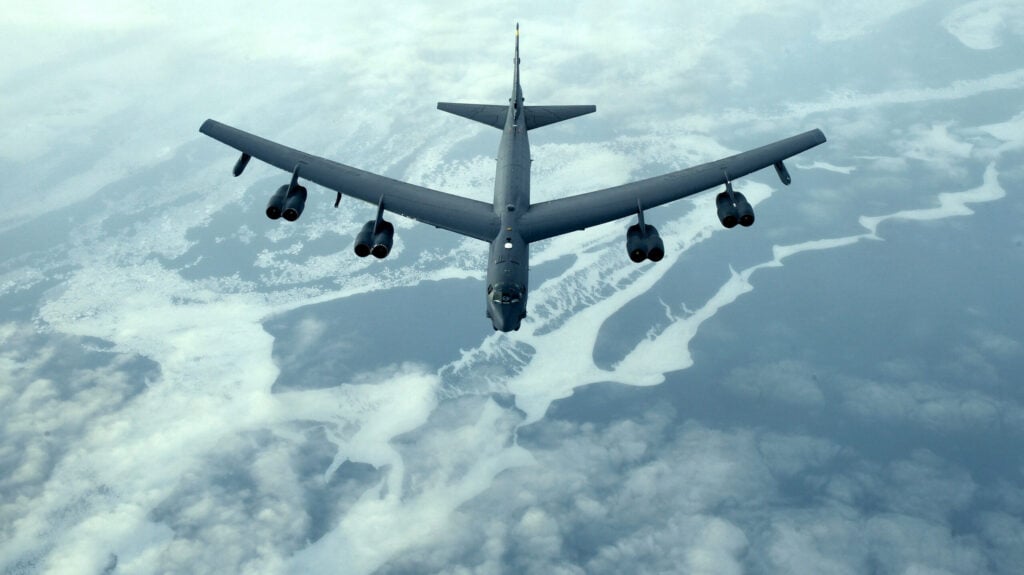
कॅलिफोर्नियातील एडवर्ड्स एअर फोर्स बेसवरून उड्डाण घेतल्यानंतर एक US Air Force B-52 Stratofortress कोसळला, ज्याला अधिकाऱ्यांनी एक नियमित चाचणी मोहीम असे म्हटले, असे Breaking Defense ने कळवले. प्रारंभिक संकेतांनुसार विमानात असलेल्या आठही जणांसाठी हा अपघात वाचण्यासारखा नसावा, असे एडवर्ड्सने सांगितले. नंतर Boeing ने सांगितले की त्यांच्या दोन कर्मचाऱ्यांचा त्या विमानात समावेश होता आणि मृत क्रू सदस्यांच्या कुटुंबीयांप्रती संवेदना व्यक्त केली.
हा अपघात स्थानिक वेळेनुसार सुमारे 11:20 वाजता घडला. सर्व कर्मचाऱ्यांची खात्री करून घेण्यासाठी अधिकारी प्रयत्न करत असताना आपत्कालीन कर्मचारी घटनास्थळी पाठवण्यात आले. औपचारिक चौकशी अपघात कसा घडला हे सांगेल, पण त्याआधीच नुकसान दोन स्तरांवर महत्त्वाचे आहे: एक मानवी शोकांतिका म्हणून आणि अमेरिकन लष्कराच्या सर्वात दीर्घकाळ टिकलेल्या व सर्वाधिक अभ्यासलेल्या विमान कार्यक्रमांपैकी एकाला बसलेला धक्का म्हणून.
B-52 जुने आहे, पण अप्रासंगिक नाही
B-52 ने 1950 च्या दशकात सेवेत प्रवेश केला, तरीही ते अमेरिकन हवाई शक्ती नियोजनात इतके मध्यवर्ती आहे की वायुदल त्याची इंजिने, रडार आणि इतर उपप्रणाली सुधारत आहे, जेणेकरून हा बॉम्बर 2050 च्या दशकापर्यंत उडत राहील. ही वेळरेषा एकटीच दाखवते की एडवर्ड्समधील या प्लॅटफॉर्मशी संबंधित अपघाताला असामान्य वजन का आहे. हे निवृत्तीच्या मार्गावर असलेले वारसा विमान नाही. हा दीर्घसेवा बॉम्बर आहे, ज्याला आणखी एका पिढीच्या उपयुक्ततेसाठी सक्रियपणे तयार केले जात आहे.
अशा कामासाठी एडवर्ड्स हे अमेरिकन संरक्षण व्यवस्थेतील सर्वात महत्त्वाच्या ठिकाणांपैकी एक आहे. हा तळ चाचणी केंद्र म्हणून काम करतो, जिथे सुधारणा, उपप्रणाली बदल आणि नव्या शस्त्रसज्जतेचे एकत्रीकरण तपासता येते. त्यामुळे तेथे झालेला अपघात केवळ एका विमानापुरता मर्यादित राहत नाही. तो भविष्यातील दलनियोजनाचा भाग असलेल्या एका प्लॅटफॉर्मचे आधुनिकीकरण, पडताळणी आणि जोखीम कमी करण्यासाठीच्या व्यापक प्रयत्नाला भिडतो.
या टप्प्यावर उपलब्ध तथ्ये मर्यादित आहेत, आणि तपासकर्ते अधिक माहिती देईपर्यंत ती तशीच राहायला हवीत. दिलेल्या बातमीत अपघाताचे कारण सांगितलेले नाही. मात्र विमान एका चाचणी-संबंधित मोहिमेवर होते आणि सुरुवातीपासूनच परिणाम गंभीर होते, हे स्पष्ट केले आहे.
हा अपघात रणनीतिकदृष्ट्या का महत्त्वाचा आहे
लष्करी विमान अपघातांची तांत्रिक कारणे, क्रू-संबंधित घटक, आणि प्रक्रियात्मक अपयश यासाठी नेहमी चौकशी केली जाते. या प्रकरणात रणनीतिक पार्श्वभूमी अतिरिक्त प्रश्न निर्माण करते. वायुदल B-52 वर त्याच्या मूळ डिझायनरांनी कधीच कल्पना केली नसेल इतका काळ अवलंबून आहे. याचा अर्थ वयानेच अपघात घडवला असा होत नाही, आणि पुरावा नसताना असे म्हणणे चुकीचे ठरेल. मात्र बदलत्या मिशन गरजा, सुधारणा आणि देखभालीच्या वास्तवांमध्ये विमानाला दशकानुदशके टिकवण्यावर असलेला ताण हे नक्कीच अधोरेखित होते.
B-52 चे दीर्घायुष्य अनेकदा टिकाऊपणा आणि जुळवून घेण्याची क्षमता यांचे प्रतीक मानले गेले आहे. दोन्ही गोष्टी खऱ्या असू शकतात, पण प्रत्येक आधुनिकीकरण चक्रात गुंतागुंतही वाढते, हेही मान्य करावे लागते. नवी इंजिने, नवे रडार, आणि उपप्रणाली सुधारणा प्लॅटफॉर्म मजबूत करण्यासाठी असतात. पण त्या चाचणी, प्रमाणन आणि एकत्रीकरणासाठी उच्च-दाबाचे वातावरणही निर्माण करतात. म्हणूनच एडवर्ड्स इतके महत्त्वाचे आहे, आणि तेथे कोणतीही प्राणहानी बॉम्बर कार्यक्रमात दूरवर प्रतिध्वनित होते.
बोईंग कर्मचारी विमानात होते, हे या कथेतला आणखी एक महत्त्वाचा भाग अधोरेखित करते. मोठ्या लष्करी विमान कार्यक्रमांमध्ये सेवा आणि उद्योग यांच्यातील निकट संबंधातून काम चालते. चाचणी कार्यात कंत्राटदार कर्मचारी आणि लष्करी क्रू एकाच जोखमीच्या क्षेत्रात असू शकतात. काही चुकले तर परिणाम त्या संयुक्त पथकापर्यंत पसरतो.
आधुनिकीकरण कार्यक्रम चाचणीवरील विश्वासावर अवलंबून असतात
विमानचाचणी कार्यक्रम शिस्तबद्ध प्रक्रियांद्वारे जोखीम व्यवस्थापित, अभ्यासली, आणि कमी केली जाऊ शकते या कल्पनेवर उभे असतात. जोखीम पूर्णपणे नाहीशी होईल या गृहितावर ते उभे नसतात. जेव्हा एखादे विमान नियमित चाचणी मोहिमेदरम्यान कोसळते, तेव्हा तो ताण तीव्रपणे दिसतो. “नियमित” म्हणजे कमी परिणाम असा अर्थ नाही. याचा अर्थ काम अशा टप्प्यावर पोहोचले होते, जो स्थापित प्रक्रियांनुसार पार पाडण्याइतका सामान्य मानला गेला होता. प्राणघातक परिणाम त्या गृहितकांचे पुनर्मूल्यांकन करण्यास भाग पाडतो.
तपासकर्त्यांना काय सापडते यावर अवलंबून, परिणाम एका मर्यादित तांत्रिक दुरुस्तीपासून संबंधित कामात व्यापक थांबा येईपर्यंत काहीही असू शकतो. तात्काळ परिणाम बहुधा एअरफ्रेम, मिशन प्रोफाइल, देखभाल इतिहास, आणि विमानाशी संबंधित सुरू असलेल्या आधुनिकीकरण घटकांवर तीव्र तपासणी होणे असा असेल. B-52 ला 2050 च्या दशकापर्यंत सेवेत ठेवण्याचा विचार असल्याने, स्थानिक निष्कर्षही व्यापक पातळीवर महत्त्वाचा ठरू शकतो.
दीर्घसेवा प्लॅटफॉर्म पुन्हा अनिश्चिततेच्या काळात
B-52 ने सिद्धांत, तंत्रज्ञान आणि भू-राजकारणातील बदल तोंड देऊन पाहिले आहेत. सेवेत टिकण्याची त्याची क्षमता अनेकदा असामान्य रणनीतिक मूल्याचा पुरावा म्हणून दाखवली गेली आहे. ते अजूनही खरे आहे. पण दीर्घ सेवा आयुष्य शोकांतिकेपासून सुरक्षिततेचा कवच नाही, आणि सर्वजण विमानात असताना मृत्यू झाल्यासारख्या दिसणाऱ्या अपघाताची गंभीरताही त्यामुळे कमी होत नाही.
येणारी चौकशी कारण आणि परिणाम याबद्दल जबाबदारीने काय म्हणता येईल हे ठरवेल. सध्या उपलब्ध नोंदच या घटनेचे महत्त्व सिद्ध करण्यासाठी पुरेशी आहे. नियमित चाचणी मोहिमेवर असलेला B-52, अमेरिकन लष्कराच्या प्रमुख फ्लाइट-टेस्ट केंद्रांपैकी एकावरून उड्डाण घेतल्यानंतर थोड्याच वेळात कोसळला. त्यात आठ जण होते. प्रारंभिक संकेतांनुसार हा अपघात वाचण्यासारखा नव्हता.
हे तथ्य एकट्यानेच या घटनेला आजच्या सर्वाधिक महत्त्वाच्या लष्करी विमानवाहतूक कथांपैकी एक बनवते. बॉम्बरचे भविष्यातील आधुनिकीकरण पुढे चालू राहू शकते, पण आता ते उत्तरांची मागणी करणाऱ्या एका हानीच्या सावलीतच होईल.
हा लेख Breaking Defense च्या रिपोर्टिंगवर आधारित आहे. मूळ लेख वाचा.
Originally published on breakingdefense.com