A Global Showcase of Visual Innovation
The Sony World Photography Awards, one of the world's most prestigious photography competitions, has reached new heights in its 19th year. The 2026 contest received a staggering 430,000 images from photographers in more than 200 countries and territories, making it the largest single-year photography competition in the world by submission volume.
The sheer scale of participation reflects both the democratization of photographic technology and the enduring power of still images to communicate across cultural and linguistic boundaries. From professional photographers wielding medium-format cameras to amateurs capturing decisive moments on smartphone sensors, the competition draws from the full spectrum of modern image-making.
The Open Competition
The competition's Open category, which focuses on the strength of a single image, has become a barometer for the state of contemporary photography. Unlike the Professional and Youth categories, which evaluate portfolios and series, the Open competition rewards photographers of all levels who capture a single extraordinary moment, composition, or concept.
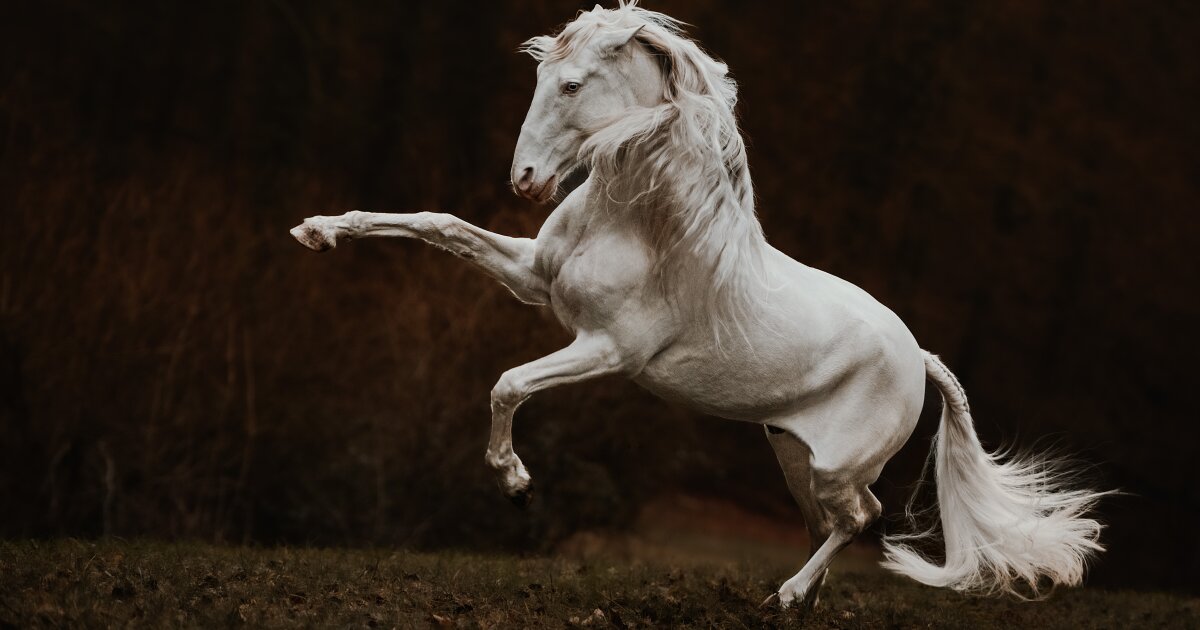
This year's shortlisted images span an remarkable range of subjects and techniques. Nature photographs capture wildlife in moments of vulnerability and power. Street photography from cities on five continents documents the texture of urban life in ways that words cannot. Motion photography freezes split-second events that the human eye processes as blur, revealing the hidden geometry of movement.
The diversity of the shortlist reflects the global reach of the competition. Photographers from countries that rarely appear in major international contests are represented alongside veterans from photography's traditional strongholds in Europe, North America, and East Asia.

Technology Enabling Art
The evolution of camera technology is visible in the competition entries. Computational photography, where software processes raw sensor data to produce images that exceed what the optical system alone could capture, has expanded the creative possibilities available to photographers at every level.
Night photography that would have required expensive professional equipment a decade ago is now possible with consumer cameras and smartphones using multi-frame noise reduction and AI-enhanced processing. Ultra-high-resolution sensors allow cropping and reframing that gives photographers flexibility in post-production that was previously available only through precise framing at the moment of capture.
Drone photography has matured from a novelty to an established creative tool. Aerial perspectives that were once available only to photographers who could afford helicopter access are now routine, and the competition's entries include stunning overhead compositions that reveal patterns invisible from ground level.
The AI Photography Debate
The 2026 competition arrives amid an ongoing debate about the role of artificial intelligence in photography. The Sony World Photography Awards made headlines in 2023 when a photographer submitted an AI-generated image and won a category prize, only to refuse the award as a statement about the blurred boundary between photography and AI generation.
Since then, the competition has implemented clear policies distinguishing between AI-generated images, which are not eligible, and photographs that use AI-assisted tools for processing, which are allowed within certain parameters. The distinction reflects a broader industry consensus that is still evolving: camera-based AI features like computational photography, noise reduction, and scene optimization are considered part of modern photography, while images generated entirely by text-to-image AI models are not.
The policy walks a difficult line. Modern smartphone cameras routinely use AI to merge multiple exposures, enhance details, and adjust colors in ways that go far beyond what the optical system captures. Defining where photography ends and AI generation begins is an increasingly complex philosophical question that the competition's rules attempt to answer practically if not perfectly.

Cultural Impact of Global Photography
Beyond the competition itself, the Sony World Photography Awards serves as a cultural institution that documents how humanity sees itself. The archive of nearly two decades of submissions constitutes one of the largest curated collections of contemporary photography in existence, providing a visual record of how life, nature, and human experience have been perceived and documented across cultures and generations.
The competition's emphasis on global participation has helped surface photographic traditions and perspectives that mainstream Western photography media sometimes overlooks. Photographers from South Asia, Africa, and Latin America bring visual languages and storytelling approaches that enrich the global photographic conversation and challenge the aesthetic norms that have historically dominated international competitions.
What the Numbers Mean
The 430,000 submissions represent more than just a participation record. They indicate that photography remains one of the most accessible and universal forms of creative expression in the digital age. Despite, or perhaps because of, the constant stream of images that social media produces, the act of creating a single carefully considered photograph retains its power and appeal.
For aspiring photographers, the competition provides both motivation and exposure. Past winners and shortlisted photographers have gone on to professional careers, gallery exhibitions, and book deals based on the visibility the awards provide. The competition's role as a talent discovery platform has made it an important institution in the photography industry's ecosystem.
As photography continues to evolve through technological innovation and cultural change, the Sony World Photography Awards provides an annual benchmark for where the art form stands. The 2026 submissions suggest it stands in a place of remarkable diversity, technical capability, and creative vitality.
This article is based on reporting by New Atlas. Read the original article.
Originally published on newatlas.com