AI infrastructure मधील सर्वात मोठ्या inefficiencies पैकी एक computation नाही, तर heat आहे
Data centers ने 2025 मध्ये अंदाजे 485 terawatt-hours वीज वापरली, आणि source material नुसार त्यातील सुमारे 30% computing ऐवजी cooling साठी गेला. University of Illinois Urbana-Champaign मधील संशोधकांच्या नवीन कामाचे वर्णन करणारी ही माहिती AI systems chip power densities वाढवत असताना आणि rack-scale deployments अधिक गरम, अधिक दाट, आणि चालविण्यास अधिक महाग होत असताना दुर्लक्षित करणे कठीण झाले आहे.
3D-printed pure copper plates वर आधारलेला नवीन direct-to-chip cooling approach या समस्येवर थेट हल्ला करण्याचा प्रयत्न करतो. त्यांची technology data center भरातील cooling-related वीज वापर सुमारे 30% वरून फक्त 1.1% पर्यंत कमी करू शकते, असे संशोधक म्हणतात.
हा आकडा प्रत्यक्षात टिकला, तर AI infrastructure भोवती उदयास येणाऱ्या सर्वात महत्त्वाच्या hardware efficiency gains पैकी हा एक ठरेल.
Cooling आता strategic bottleneck का आहे
Modern accelerators प्रचंड power वापरतात आणि electronics च्या मूलभूत physics नुसार जवळपास तितकीच ऊर्जा heat म्हणून dissipate करतात. source text मध्ये एकाच NVIDIA GB200 chip चे 1,200 watts वर कार्यरत असल्याचा उल्लेख आहे. हे हजारो किंवा लाखो devices वर लागू केल्यास thermal management challenge facility economics च्या केंद्रस्थानी येतो.
म्हणून cooling आता background engineering detail राहिलेली नाही. ती data center design, energy procurement, siting, uptime, आणि अधिक दाट compute clusters किती वेगाने deploy करता येतील यावर परिणाम करते. AI demand वाढत असताना, cooling constraints increasingly ठरवत आहेत की काय बांधता येईल.
म्हणून order-of-magnitude gains चे वचन देणाऱ्या कोणत्याही technology कडे गंभीर लक्ष देणे आवश्यक आहे, विशेषतः ती पूर्णपणे नवीन facility class न मागता existing direct-to-chip cooling architectures मध्ये एकत्र करता येत असेल तर.

नवीन system काय बदलते
हा reported advance mathematical design algorithm आणि additive manufacturing एकत्र करून conventional cold plates पेक्षा चांगले कार्य करणाऱ्या pure copper cooling plates तयार करतो. सर्वात महत्त्वाची गोष्ट फक्त material नाही, तर या method मुळे तयार होणारी internal geometry आहे.
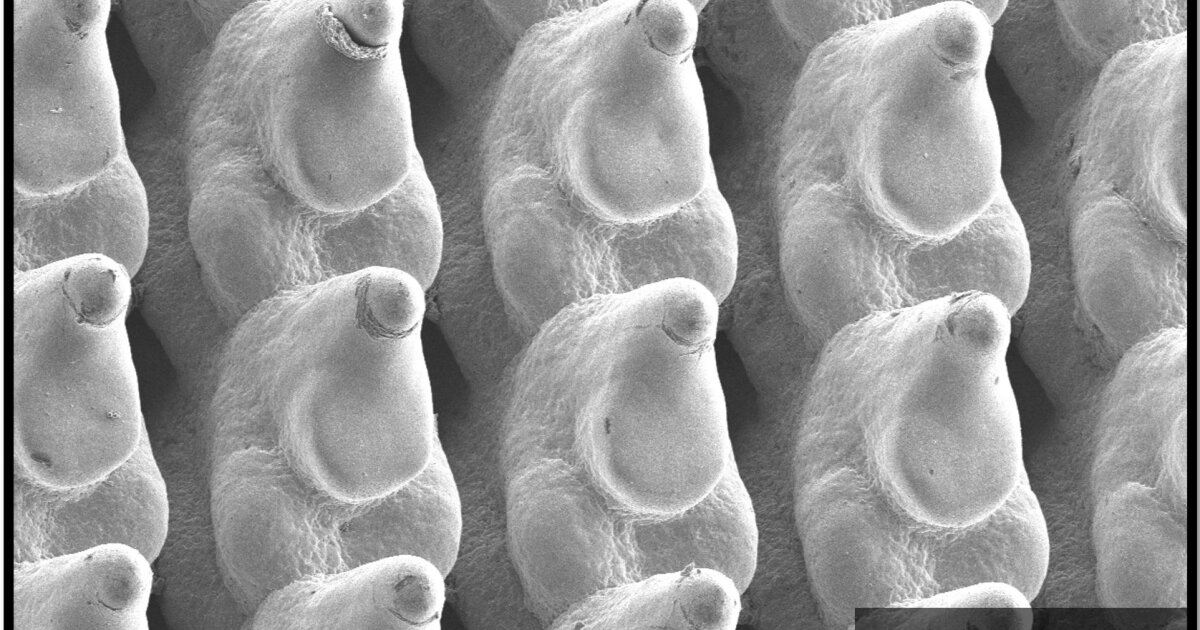
source text नुसार, microscope imagery plate surface वर tiny fin structures दाखवते. अशा सूक्ष्म वैशिष्ट्यांमुळे effective surface area वाढते आणि coolant सर्वात गरम zones वर कसे वाहते हे नियंत्रित करून heat transfer मोठ्या प्रमाणात सुधारू शकतो.
Traditional manufacturing अभियंत्यांना cooling component च्या आत कोणत्या shapes बनवता येतील यावर मर्यादा घालते. Computational design आणि 3D printing एकत्र करून संशोधक thermal models जे सर्वोत्तम दर्शवतात आणि fabrication techniques प्रत्यक्षात जे बनवू शकतात त्यातील अंतर कमी करण्याचा प्रयत्न करत आहेत.
परिणामी, जुन्या thermal management assumptions वरून जुळवून घेतलेली नसून, high-power chips च्या वास्तवासाठी डिझाइन केलेली cold plate architecture मिळते.
दावा केलेली बचत इतकी मोठी का आहे
headline figure heat काढण्याच्या ऊर्जा खर्चात कपात करून येते, chips चा स्वतःचा power draw कमी करून नाही. एका सामान्य मोठ्या data center मध्ये cooling systems pumps, chillers, air handling, आणि इतर support infrastructure द्वारे power वापरतात. chip level वर heat अधिक कार्यक्षमतेने काढता आली, तर उरलेल्या thermal stack मध्ये कमी काम करावे लागेल.
Direct-to-chip liquid cooling आधीपासूनच आकर्षक आहे कारण ते air cooling मधील अनेक inefficiencies टाळते. Cold plate सुधारल्याने हा approach आणखी प्रभावी होतो. नवीन plates cooling चा electricity share सुमारे 1.1% पर्यंत खाली आणू शकतात, असे संशोधक म्हणतात, जे सध्याच्या norms च्या तुलनेत मोठी सुधारणा आहे.
Operators साठी याचा अर्थ lower operating costs, better power usage effectiveness, आणि energy-constrained environments मध्ये compute deploy करण्यासाठी अधिक मोकळीक.
लॅबच्या पलीकडे हे का महत्त्वाचे आहे
AI infrastructure आता energy policy, utility planning, आणि public scrutiny यांच्याशी अधिकाधिक भिडत आहे. Data center growth local grids वर ताण आणत आहे, decarbonization efforts गुंतागुंतीचे करत आहे, आणि कंपन्यांना नवीन power strategies शोधण्यास भाग पाडत आहे. त्यामुळे cooling layer वरील efficiency gains सामान्य component improvement पेक्षा अधिक व्यापक अर्थ घेतात.
Cooling जर प्रचंड प्रमाणात अधिक efficient केले जाऊ शकले, तर operators त्याच power envelope मधून अधिक उपयुक्त compute काढू शकतील. यामुळे काही capacity bottlenecks लांबणीवर पडू शकतात आणि electricity supply किंवा grid interconnection मर्यादित असलेल्या प्रदेशांत advanced facilities siting करणे सोपे होऊ शकते.
यामुळे AI expansion ला विशेषतः power-hungry वाटण्यामागील non-compute energy penalty देखील कमी होऊ शकतो. एक तृतीयांश power thermal overhead साठी वापरला जाणे हे एक आकर्षक लक्ष्य आहे. त्यातील मोठा भाग कमी केल्याने चर्चाच बदलते.
अजून काय अनिश्चित आहे
source material हे काम deployed commercial product नसून scientific advance म्हणून मांडते. म्हणजे scale-up, durability, manufacturability, cost, आणि production data center systems शी compatibility अजूनही खुले प्रश्न आहेत.
Hardware breakthroughs सहसा prototype किंवा subsystem पातळीवर सर्वाधिक प्रभावी दिसतात, पण supply chains, maintenance, coolant chemistry, आणि long-duration reliability यांसारख्या गुंतागुंती आल्यावर परिस्थिती बदलते. Pure copper मध्ये additive manufacturing ही देखील specialized capability आहे, आणि व्यापक deployment volume वर economics काम करतात का यावर अवलंबून असेल.
तरीसुद्धा दिशा स्पष्ट आहे. Cooling हे first-order computing problem बनले आहे, आणि geometry-aware, manufacturing-enabled thermal design हा एक विश्वासार्ह मार्ग म्हणून पुढे येत आहे.
मोठे चित्र
AI boom ने लक्ष models, chips, आणि power contracts कडे वळवले आहे. पण त्या chips जिवंत ठेवणाऱ्या physical systems मुळे शेवटी उद्योग किती compute चालवू शकतो हे ठरू शकते. Thermal management ला आधी infrastructure plumbing मानले जात होते. आता ते frontier चा भाग आहे.
हा copper-plate approach आकर्षक आहे कारण तो एका कठीण मर्यादेला practical toolset ने हाताळतो: better design, better fabrication, आणि जिथे सर्वाधिक गरज आहे तिथे better heat transfer. तो compute स्वस्त करत नाही, किंवा data center energy demand नाहीशी करत नाही. पण तो काहीतरी अधिक मौल्यवान वचन देतो: त्या ऊर्जेचा खूप कमी भाग heat management मध्ये वाया घालवण्याचा मार्ग.
निकट भविष्यकाळात, हाच प्रकारचा innovation hyperscalers, cloud operators, आणि AI infrastructure builders शोधत आहेत.
This article is based on reporting by New Atlas. Read the original article.
Originally published on newatlas.com