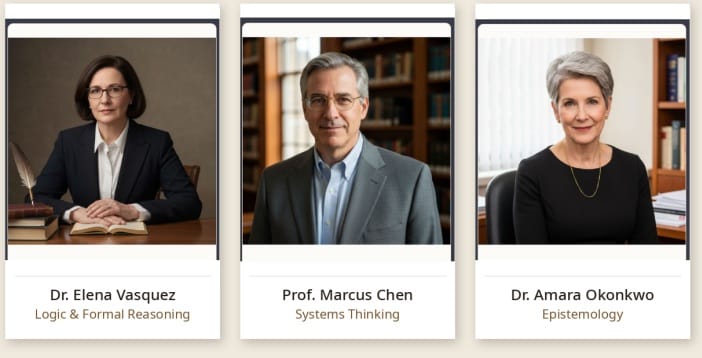
काल्पनिक तज्ज्ञ ऑनलाइन खऱ्या खुणा सोडत आहेत
एक नवीन preprint जनरेटिव्ह AI च्या एका विचित्र उपउत्पादनाबद्दल इशारा देत आहे: अशा काल्पनिक ओळखी ज्या भाषा मॉडेल्स इतक्या वेळा पुन्हा पुन्हा निर्माण करत आहेत की त्या शैक्षणिक आणि ऑनलाइन नोंदींच्या काही भागांना दूषित करू लागल्या आहेत. 27 ऑगस्ट 2026 रोजी प्रकाशित झालेल्या रिपोर्टनुसार, Elena Vasquez आणि Marcus Chen यांसारखी नावे शेकडो AI-निर्मित पेपर्स, लेख आणि पुस्तकांमध्ये दिसली आहेत, जरी ती वास्तविक व्यक्तींशी संबंधित नसली तरी.
Samsung आणि University of Warsaw येथील संशोधक या वारंवार दिसणाऱ्या ओळखी AI haunting चा एक प्रकार म्हणून वर्णन करतात. त्यांचा मुख्य दावा एवढाच नाही की large language models नावे तयार करतात, हे अपेक्षित आहे, तर ते विशिष्ट प्रकारच्या संदर्भांमध्ये तीच नावे वारंवार तयार करण्याकडे झुकतात. कालांतराने, ही पुनरावृत्ती search results, repositories आणि वरवर वैध वाटणाऱ्या प्रकाशनांमध्ये खोटी authority पेरू शकते.
ही गोष्ट महत्त्वाची आहे कारण नावे विश्वास वाहतात. शैक्षणिक प्रकाशन आणि research communication मध्ये वाचक बहुतेकदा लेखकाचे नाव, संस्थात्मक भूमिका किंवा विषयातील तज्ज्ञता ही credibility साठी shortcut म्हणून वापरतात. जर AI systems वारंवार विश्वासार्ह वाटणारे तज्ज्ञ तयार करत राहिले आणि ती नावे औपचारिक दस्तऐवजांसारखी वाटणाऱ्या नोंदींमध्ये गेली, तर बनावट मजकूर आणि खरा scholarly record यांमधील सीमा अधिकच पातळ होते.
पुनरावृत्ती होणारी नावांची रूपरेषा कशी तयार होते
या पेपरमध्ये लेखकांनी correlated name priors असे संबोधलेल्या गोष्टीवर लक्ष केंद्रित केले आहे. सोप्या भाषेत, काही models काल्पनिक ओळखी यादृच्छिकरीत्या तयार करत नाहीत. विशिष्ट प्रकारच्या experts, authors किंवा characters साठी विचारले असता, ते काही ठराविक नावांकडे झुकलेले दिसतात. रिपोर्टिंगमध्ये अनेक उदाहरणे दिली आहेत: Elena Vasquez, Marcus Chen, Elara Voss, Aris Thorne, Lena Petrova आणि Elena Amara Okafor ही नावे model आणि prompt context नुसार असामान्य नियमिततेने दिसतात, असे सांगितले जाते.
ही घटना एकट्या नावांच्या पलीकडे जाते. संशोधक म्हणतात की models “correlated character ensembles” देखील तयार करतात, म्हणजे काही नावे एकत्र येण्याची शक्यता जास्त असते. यावरून असे दिसते की models केवळ वेगवेगळे labels पुन्हा वापरत नाहीत, तर identity patterns चे समूहही पुनरुत्पादित करत आहेत. असे घडल्यावर, fake authorship अधिक प्रमाणात तयार होऊ शकते. शैक्षणिक शैलीतील मजकूर, पुस्तके, चरित्रे किंवा websites तयार करणाऱ्या वापरकर्त्याला पुन्हा पुन्हा त्याच authoritative वाटणाऱ्या invented people चा संच मिळू शकतो.
या समस्येला अधिक गंभीर बनवणारी गोष्ट म्हणजे तिचे टिकून राहणे. एका AI output मध्ये तयार झालेला fake expert स्वतःमध्ये किरकोळ वाटू शकतो. पण तीच ओळख repositories, websites आणि documents मध्ये पुन्हा दिसली, तर ती digital footprint जमा करू लागते. मग search engines आणि citation systems त्या भ्रमाला अधिक बळ देऊ शकतात, आणि वाचकांसाठी स्रोत बनावट आहे की फक्त अस्पष्ट हे ठरवणे कठीण होते.
मॉडेलच्या विचित्रतेपासून प्रकाशनाच्या समस्येपर्यंत
लेख हा नमुना थेट academic publishing infrastructure शी जोडतो. संशोधकांनी कथितपणे मॉडेल्स वारंवार तयार करतात अशी त्यांना माहिती असलेली नावे databases मध्ये शोधली आणि ती नावे AI-निर्मित साहित्याच्या विस्तृत संचात आढळली. उल्लेखलेले सर्वात ठळक उदाहरण म्हणजे Zenodo, CERN चालवते ती repository जी खरे DataCite DOIs जारी करते. टीमचे म्हणणे आहे की तिने ghost authors ना श्रेय दिलेले आणि बनावट publication dates असलेल्या nonexistent journals शी जोडलेले 1,655 records ओळखले.
हा तपशील महत्त्वाचा आहे कारण scholarly communication मध्ये DOI हा वैधतेचा सर्वात मजबूत संकेतांपैकी एक आहे. तो गुणवत्तेची हमी देत नाही, पण एखादी नोंद संघटित प्रकाशन आणि indexing ecosystem मध्ये प्रवेशली आहे, हे दाखवतो. जर बनावट journals, dates आणि authors खऱ्या DOI infrastructure वर बसू शकत असतील, तर विश्वासभंग आता spam blogs किंवा कमी दर्जाच्या content farmsपुरता मर्यादित राहत नाही. ते संशोधक, ग्रंथपाल आणि संस्थांनी वापरलेल्या systems ना स्पर्श करू लागतात.
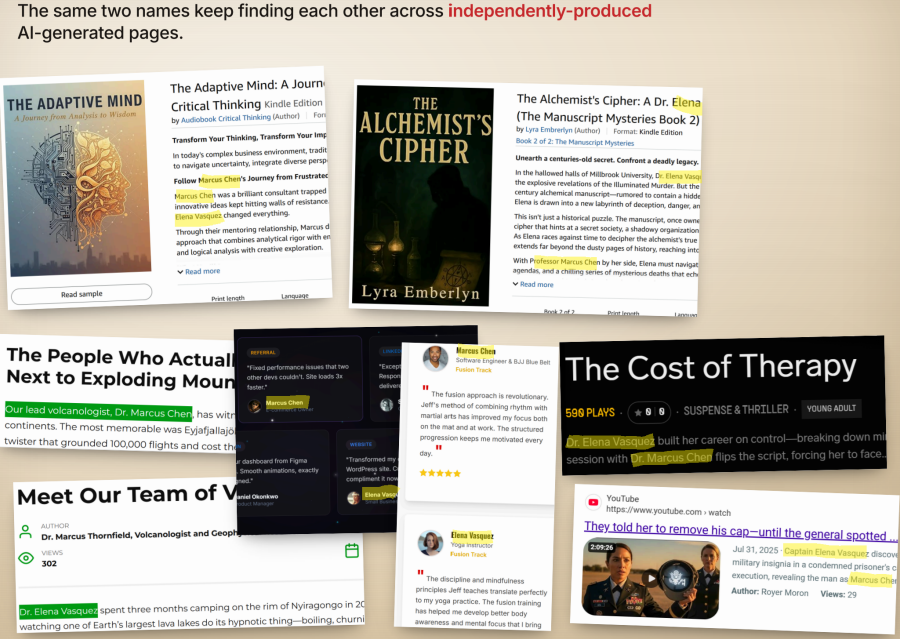
हा लेख AI-निर्मित “research” मानवी उत्पादन असल्याप्रमाणे विकण्याविषयीच्या आधीच्या रिपोर्टिंगशीही हा नमुना जोडतो. एका उद्धृत प्रकरणात, वैद्यकीय संशोधन देणाऱ्या एका कंपनीने Elena Vasquez नावाच्या founder आणि lead methodologist ची नोंद केली होती, जी अस्तित्वात नव्हती. या विषयावर रिपोर्ट आल्यानंतर, ते नाव कथितपणे कंपनीच्या site वरून काढून टाकण्यात आले. दुसऱ्या उदाहरणात Facebook वर पसरलेल्या एका खोट्या विधानाचे श्रेय nonexistent “executive director Dr. Elena Vasquez” यांना दिले गेले होते.
एकत्रितपणे पाहिले तर ही प्रकरणे समस्या केवळ शैक्षणिक नाही हे दर्शवतात. तीच बनावट ओळख health claims, social rumors, commercial services आणि publication platforms मध्ये स्थलांतरित होऊ शकते. हा cross-domain spread या घटनेला व्यापक महत्त्व देतो.
दूषित होण्याचा धोका का वाढत आहे
Generative AI विश्वासार्ह मजकूर मोठ्या प्रमाणावर तयार करण्याचा खर्च कमी करते. यात papers, reports, web pages आणि पुस्तकासारखी कागदपत्रे समाविष्ट आहेत, जी संस्थात्मक स्वरूपाची नक्कल करू शकतात. जर models देखील persuasive fictional names चा छोटा pool पुन्हा वापरण्याकडे झुकत असतील, तर वाईट हेतूच्या लोकांना प्रत्येक वेळी नवीन persona तयार करण्याची गरजच राहत नाही. model त्यांच्यासाठी काही काम स्वतः करते, कारण ते आधीच विश्वासार्ह वाटणाऱ्या पुनरावृत्ती होणाऱ्या ओळखी पुरवते.
धोका मुद्दाम केलेल्या फसवणुकीपुरता मर्यादित नाही. काही वापरकर्ते तयार झालेली नावे नीट तपासणार नाहीत, विशेषतः जेव्हा ते पटकन draft content तयार करत असतील. automated किंवा semi-automated publishing pipelines मध्ये, एखादा fake expert public record मध्ये शिरू शकतो, कारण तो व्यक्ती खरोखर अस्तित्वात आहे का हे कोणी तपासत नाही. एकदा प्रकाशित झाल्यावर, त्या ओळखीचा उल्लेख करता येतो, ती scrape, index आणि इतर ठिकाणी पुन्हा वापरता येते.
यातून एक feedback loop तयार होतो. models ची पुनरावृत्ती web वर पुनरावृत्ती निर्माण करते, आणि web वरील पुनरावृत्ती भविष्यातील models समोर येणाऱ्या गोष्टींना बळकटी देते. काळानुसार, direct verification ऐवजी search वर अवलंबून असलेल्या कोणालाही model artifact आणि documented person यांमधील फरक धूसर होऊ शकतो.
संशोधन प्रणालींसाठी integrity आव्हान
या रिपोर्टिंगमध्ये पूर्ण उपाय मांडलेला नाही, पण integrity समस्येचा आकार नाकारणे कठीण बनवले आहे. Academic publishing ला plagiarism, paper mills आणि fake peer review यांचा दीर्घकाळ सामना करावा लागला आहे. AI ghost authors एक वेगळ्या प्रकारचे अपयश आणतात: मानवी attribution गृहित धरून बांधलेल्या systems मध्ये synthetic identity pollution.
हे आव्हान repositories, editors, publishers, indexing services आणि search platforms पर्यंत पोहोचते. अधिक मजबूत author verification, fabricated journals साठी चांगले screening आणि संशयास्पदपणे पुनरावृत्ती होणाऱ्या identity patterns वर अधिक काटेकोर तपासणी आवश्यक ठरू शकते. मोठा मुद्दा असा आहे की AI misuse केवळ मजकूर machine-लिखित आहे की नाही एवढ्यावर मर्यादित नाही. त्या मजकुराशी जोडलेले लोक खरोखर अस्तित्वात आहेत का, हेही तितकेच महत्त्वाचे आहे.
preprint चे निष्कर्ष सूक्ष्म पण संरचनात्मकदृष्ट्या महत्त्वाचा बदल सांगत असल्यामुळे लोकांमध्ये प्रतिध्वनित होण्याची शक्यता आहे. भाषा मॉडेल्स आता फक्त त्रुटीपूर्ण prose किंवा बनावट citations तयार करत नाहीत. ते बनावट experts चे standardization करून त्यांना शांतपणे knowledge ecosystem मध्येही टाकू शकतात. ही प्रक्रिया अनियंत्रित राहिली, तर चुका इतक्या सामान्य दिसतील की academic record audit करणे अधिक कठीण होईल.
हा लेख 404 Media च्या रिपोर्टिंगवर आधारित आहे. मूळ लेख वाचा.
Originally published on 404media.co
