Taiwan returns to the center of US-China tension
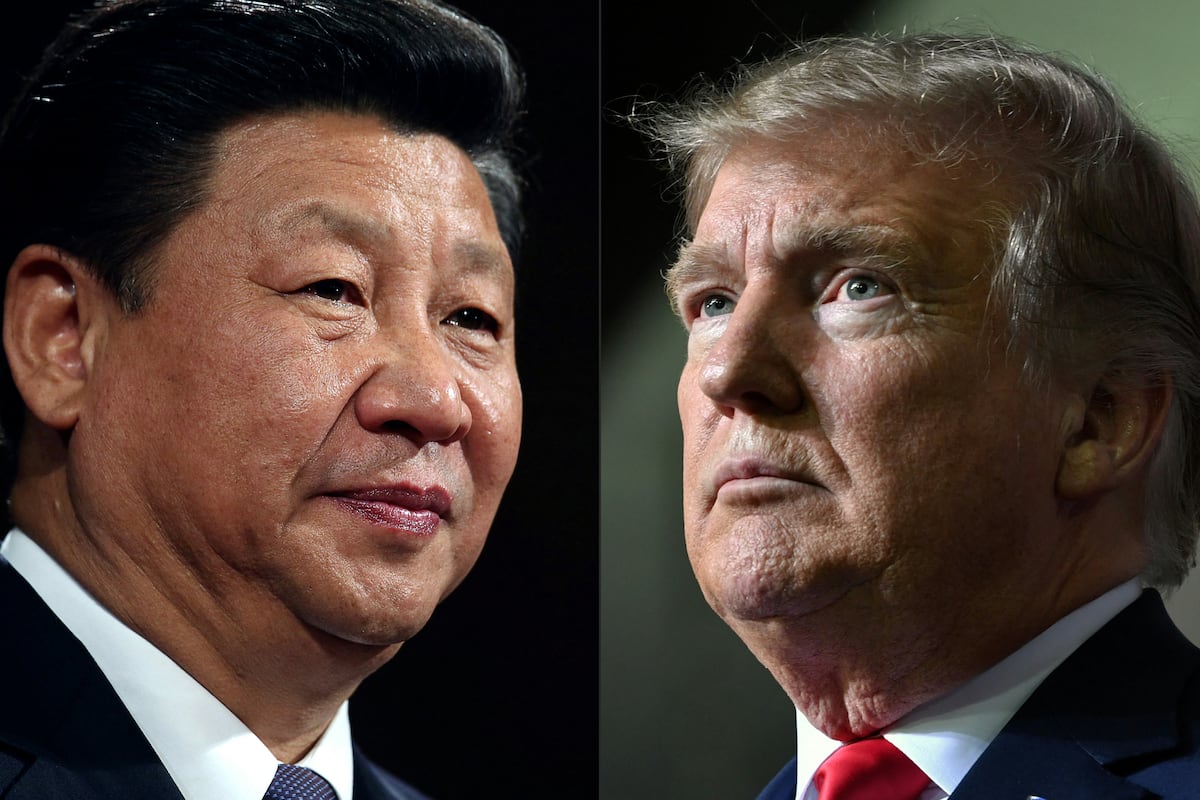
Chinese leader Xi Jinping used high-level talks in Beijing to deliver a direct warning to U.S. President Donald Trump: mishandling Taiwan could destabilize the entire bilateral relationship and potentially drive the two powers toward confrontation. According to the Chinese government readout cited in the report, Xi said Taiwan is the most important issue in China-U.S. relations and warned that if it is not handled properly, the countries could face “clashes and even conflicts.”
The message was not a casual diplomatic talking point. It was an effort to place Taiwan at the top of the agenda at the outset of the summit and to define the boundaries China expects Washington to respect. Taiwan has long been one of the most combustible issues in the relationship, and Xi’s remarks made clear that Beijing still sees it as the central test of strategic stability between the two sides.
Why Beijing is emphasizing Taiwan now
China’s position remains unchanged in broad outline: the Communist Party regards Taiwan as part of China and has not ruled out the use of force to achieve reunification. The report notes that Xi has instructed the People’s Liberation Army to be prepared to invade by 2027. Against that backdrop, any U.S. move seen as strengthening Taipei’s military position or political autonomy can trigger a sharp Chinese reaction.
George Chen of the Asia Group told Military Times that Xi’s comments should not necessarily be read as a sudden escalation. In his view, the Chinese leader was trying to set parameters clearly and early, signaling what Beijing considers non-negotiable. Chen said Xi wanted to make clear that he has “zero tolerance” for moves toward Taiwan independence, while also suggesting Beijing is not yet seeking a military path if it believes Washington will avoid pushing the issue in that direction.
The US policy dilemma
For decades, Washington has relied on “strategic ambiguity,” deliberately avoiding a simple answer to whether the United States would directly defend Taiwan in the event of an attack. That posture is meant to deter both a Chinese invasion and a formal Taiwanese push for independence. But the policy depends on constant calibration, and every arms sale, political visit, or public statement can be scrutinized as evidence of a shift.
The report says the State Department recently stalled a proposed $14 billion arms package for Taiwan, a move Trump said he would discuss with Xi. At the same time, U.S. officials have pointed to last year’s arms sale to Taiwan, reported at roughly $11 billion, as evidence of continued commitment. Those two facts together capture the ambiguity at the heart of Washington’s approach: support for Taiwan remains substantial, but the timing, scale, and signaling around that support are contested.
A summit shaped by wider instability
The Beijing meeting was already politically delicate, and the broader international environment made it more so. The report says the summit had originally been scheduled six weeks earlier but was postponed because of the war in Iran. Even as Trump and Xi met amid formal ceremonies, bilateral talks, and a state banquet, the atmosphere remained shaped by crisis and uncertainty linked to Iran and the fragility of a ceasefire there.
That matters because Taiwan is not being discussed in a vacuum. U.S.-China tensions now sit inside a crowded global security picture in which moves in one theater can influence calculations in another. A White House balancing support for Taiwan, regional deterrence, and other active conflicts faces a narrower margin for error than in calmer periods.
What the warning signals
Xi’s statement is significant because it couples a familiar Chinese position with unusually explicit language about the consequences of miscalculation. Beijing has long insisted that Taiwan is a core interest. What stands out here is the emphasis that a failure to handle the issue properly would not merely create friction but could jeopardize the entire relationship.
That warning is also aimed at domestic and international audiences. Domestically, it reinforces Xi’s image as uncompromising on sovereignty. Internationally, it reminds U.S. policymakers and allies that Taiwan remains the issue most likely to trigger a direct confrontation between the world’s two largest powers.
What comes next
Nothing in the report suggests an immediate operational shift, but it does suggest a harder rhetorical environment around future U.S. decisions on Taiwan. If Washington revives major arms packages or adopts language Beijing interprets as support for independence, China is likely to respond sharply. If Washington softens visible support, it may face criticism that deterrence is eroding.
The larger strategic problem remains unresolved. The United States wants to prevent coercion against Taiwan without provoking a crisis. China wants to deter any move toward permanent separation while avoiding a conflict that would carry enormous costs. Xi’s warning in Beijing is a reminder that the balance between those goals remains unstable, and that Taiwan continues to sit at the fault line of the relationship.
This article is based on reporting by Defense News. Read the original article.
Originally published on defensenews.com