A Growing Threat to Airborne Refuelers
The U.S. Air Force is accelerating efforts to equip its tanker fleet with miniature self-defense missiles capable of shooting down incoming threats, as adversary nations develop longer-range weapons specifically designed to target these critical but vulnerable aircraft. The initiative marks a significant shift from passive defenses like flares and electronic jamming toward active "hard kill" solutions that can physically destroy hostile missiles in flight.
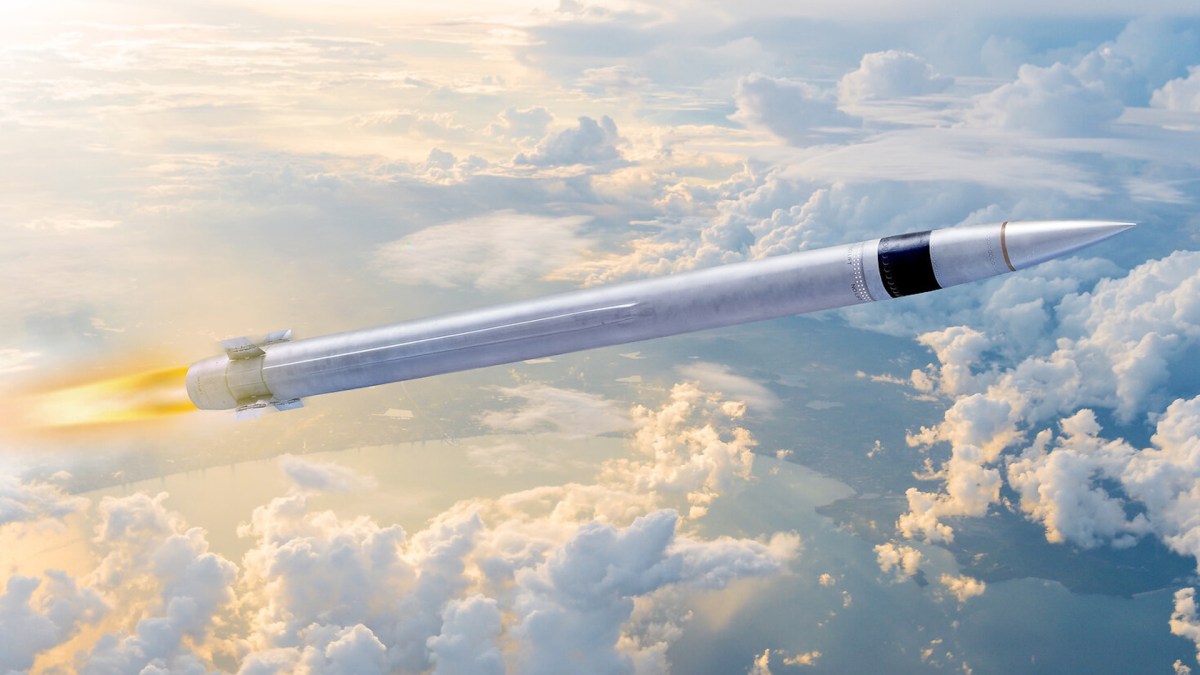
At the center of this effort is the Miniature Self-Defense Munition (MSDM), a program that the Air Force Research Laboratory first publicly introduced in 2015. The MSDM is designed to be approximately 3.3 feet long, roughly one-third the size of the AIM-9X Sidewinder, making it compact enough to carry in meaningful quantities without major modifications to existing tanker airframes. Raytheon received a contract in 2020 to develop a flight-test-ready missile, while Lockheed Martin has also been involved in the program.
Why Tankers Need Active Defenses
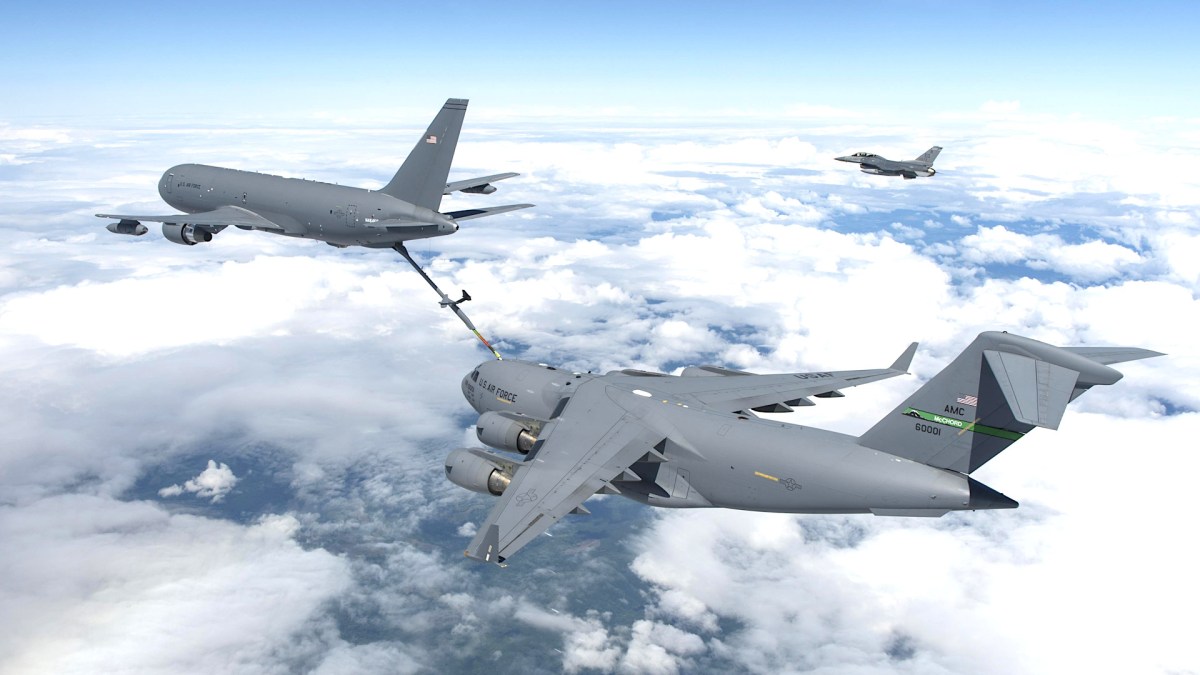
Modern adversaries, particularly China, are investing heavily in air-to-air and surface-to-air missiles with ranges extending up to 1,000 miles. These weapons threaten to push the Air Force's tanker fleet so far from contested airspace that they become operationally ineffective. Kevin Stamey, the Air Force Program Executive Officer for Mobility, has emphasized the urgency of finding solutions that let tankers operate closer to the fight.
Current defensive systems rely primarily on directional infrared countermeasures (DIRCM) that attempt to blind incoming missile seekers, but newer weapons equipped with imaging infrared seekers are increasingly resistant to electronic countermeasures. This gap has made kinetic intercept options like the MSDM increasingly attractive.
Technical Challenges and Alternatives
One of the primary challenges is magazine depth. A tanker carrying mini missiles can only carry so many before running out, and sophisticated adversaries could attempt to overwhelm defenses with multiple simultaneous threats. The Navy explored a parallel concept through its Hard Kill Self Protection Countermeasure System beginning in 2018, and Northrop Grumman patented a kinetic aircraft protection system in 2017.
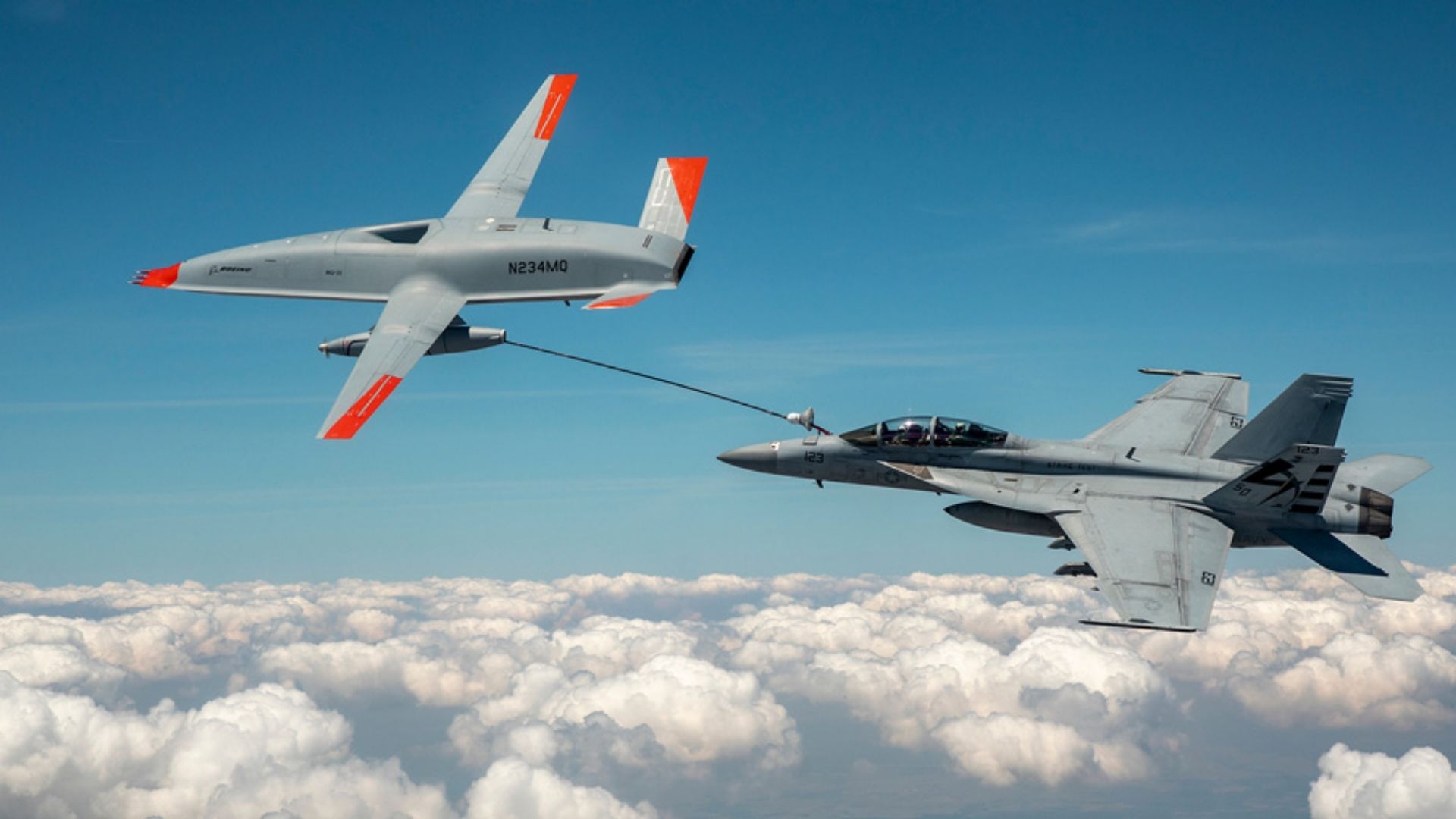
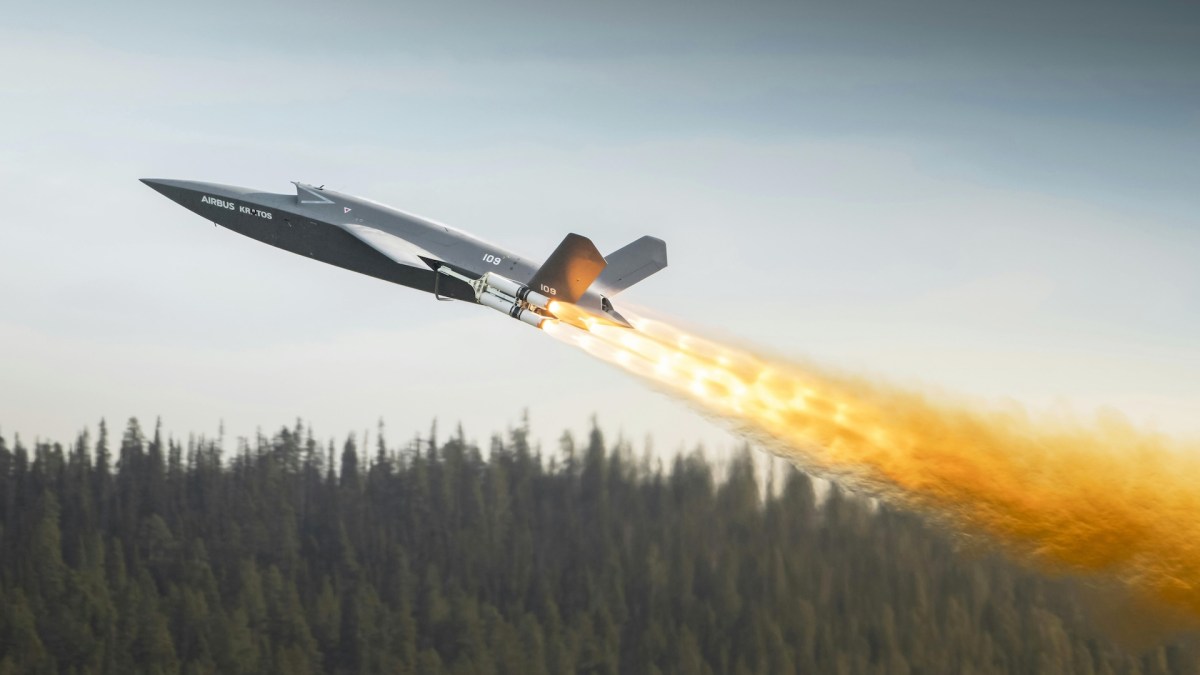
The Air Force is also considering complementary approaches including loyal wingman drone escorts, directed energy weapons, and distributed sensor networks that can detect threats earlier and provide tankers with more reaction time. Common Launch Tubes are being developed to standardize how various defensive payloads are deployed from large aircraft.
Future Tanker Concepts
The broader conversation about tanker survivability is shaping the Next Generation Air Refueling System, which could include signature-managed or stealthy tanker designs, blended wing body configurations, and even business jet conversions. Until those platforms arrive, equipping existing KC-46 Pegasus and KC-135 Stratotanker aircraft with active defenses remains a top priority for keeping aerial refueling viable in contested environments.
This article is based on reporting by The War Zone. Read the original article.
Originally published on twz.com