Kyiv widens its security diplomacy in the Gulf
Ukraine has agreed to new defense cooperation with both Qatar and the United Arab Emirates as President Volodymyr Zelenskyy traveled through the Gulf amid rising regional tensions. According to Defense News, Qatar’s defense ministry said the agreement with Kyiv includes the exchange of expertise in countering missiles and unmanned aerial systems.
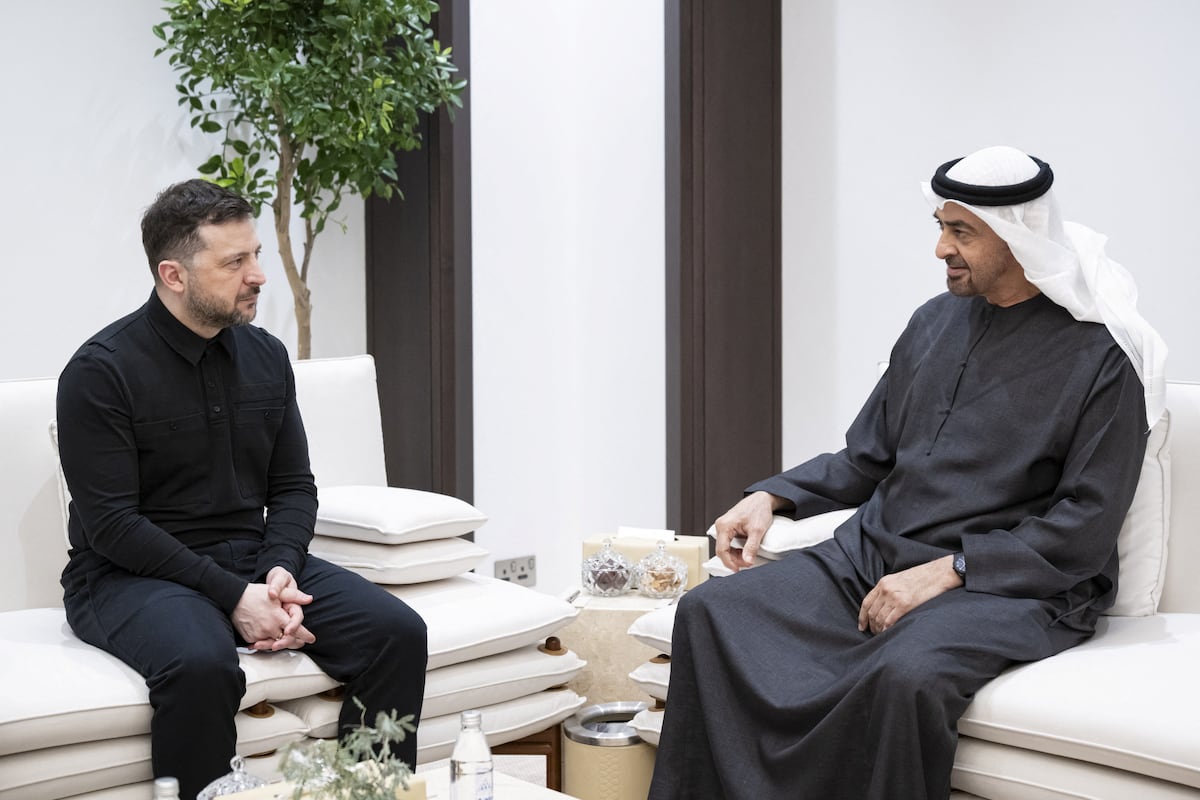
The trip also included meetings in the UAE, where Zelenskyy said the two countries agreed to cooperate in the fields of security and defense. He added that teams would finalize the details of those discussions.
Ukraine’s wartime experience becomes exportable know-how
The practical importance of the agreements lies in what Ukraine has learned during years of defending itself against Russian missiles and drones. Defense News says Ukrainian Foreign Minister Andrii Sybiha told Reuters that Kyiv was close to finalizing several security agreements related to countering Iranian attacks.
That makes the new partnerships notable beyond bilateral symbolism. Ukraine is not only seeking diplomatic support; it is positioning its battlefield experience as a source of relevant expertise for countries facing missile and drone threats of their own.
A deal shaped by a volatile regional backdrop
The agreements arrive during an especially unstable period. The source text says the U.S.-Israeli war on Iran has killed more than 2,000 people, disrupted global markets, and led to Iranian retaliatory strikes that have effectively shut the Strait of Hormuz while targeting several Gulf countries with missiles and drones.
Against that backdrop, Gulf states have immediate incentives to improve air and missile defense coordination, and Ukraine has immediate incentives to deepen relationships with states that are navigating the fallout of regional conflict. The overlap in needs helps explain why counter-UAS and counter-missile expertise became a central point of the Qatar deal.
More than a symbolic visit
Zelenskyy had previously arrived in Saudi Arabia, where the source says an additional defense cooperation agreement was also signed. Taken together, the Gulf trip appears to be more than protocol diplomacy. It is an effort to convert Ukraine’s military experience into a broader network of strategic relationships at a time when security knowledge has become a form of leverage.
The agreements remain short on publicly available detail in the extracted source text, but the direction is clear. Ukraine is using the hard lessons of war to build defense links well beyond Europe, and Gulf states appear willing to draw on that experience as missile and drone threats continue to reshape regional security planning.
This article is based on reporting by Defense News. Read the original article.
Originally published on defensenews.com