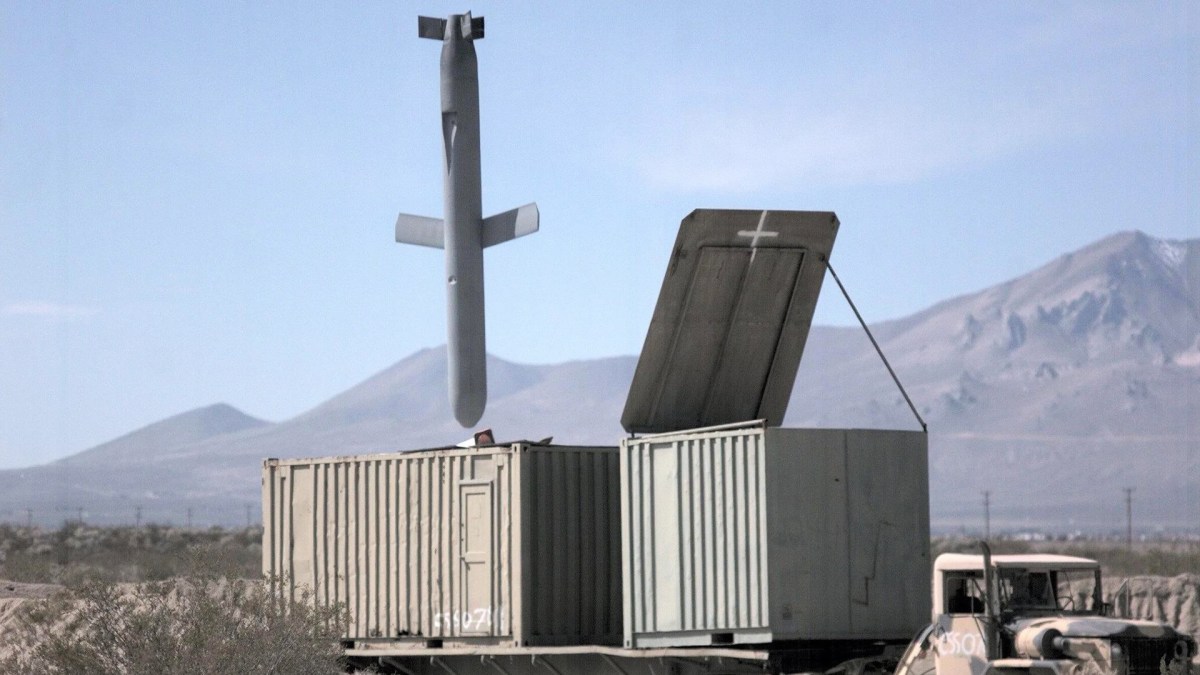
A long-range arsenal is being spent at wartime speed
The Pentagon is increasingly concerned about how quickly the U.S. military is burning through Tomahawk cruise missiles during the war with Iran. According to officials cited in reporting referenced by The War Zone, the U.S. Navy has fired more than 850 Tomahawks in roughly four weeks of operations, a rate of use now driving internal discussions about how to make more missiles available.
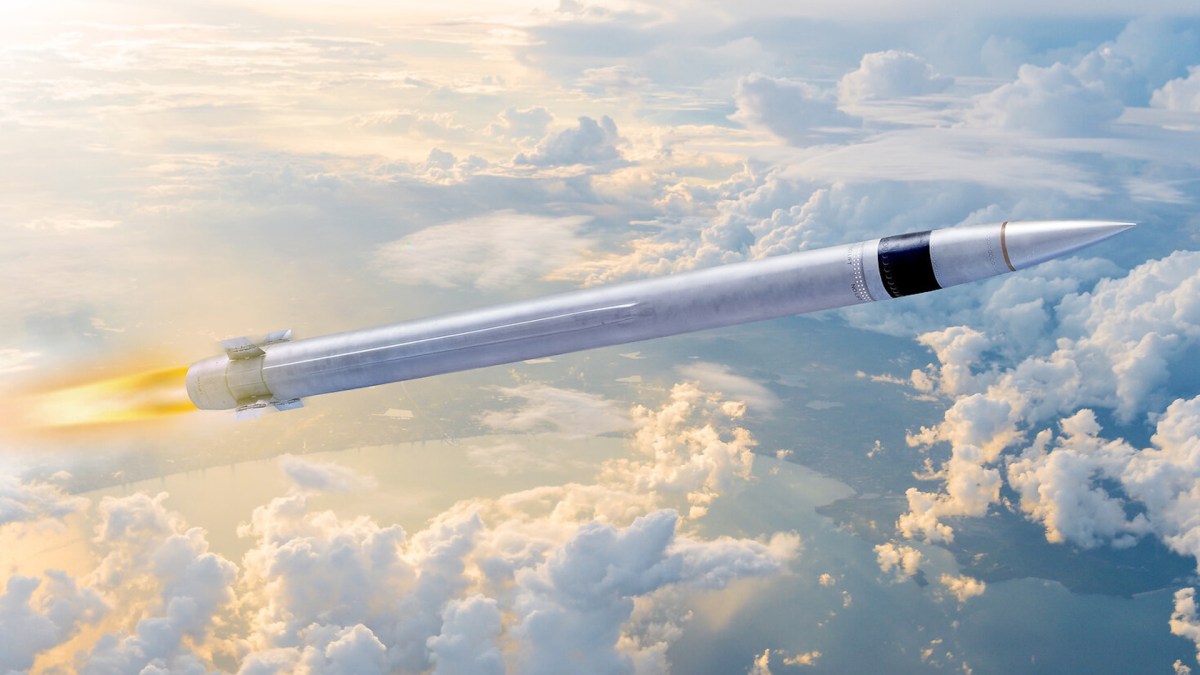
The number matters because the Tomahawk is not a niche weapon. It is one of the United States’ core long-range strike systems, a munition built for hitting targets from standoff range without immediately exposing ships and crews to the densest parts of an enemy’s defenses. In the current conflict, that capability has obvious value. But the reported burn rate is also highlighting a second issue: even a large inventory can start to look limited when actual war compresses years of peacetime assumptions into a matter of weeks.
The War Zone said officials described the Pentagon as alarmed by the pace of depletion. The concern is not only about sustaining the campaign against Iran. It is also about what this rate of consumption says for future conflicts, especially the kind of high-end Pacific scenario that has increasingly dominated U.S. planning.
Why Tomahawk consumption has wider strategic implications
Tomahawks are central to how the United States would expect to fight in environments where defended targets must be struck from long range. That is one reason the current expenditure has drawn attention beyond the Middle East. The War Zone notes that a conflict involving China, particularly over Taiwan, would put extraordinary demands on standoff munitions, potentially across target sets numbering in the tens of thousands.
In that context, the reported use of more than 850 missiles in just a month becomes more than a wartime statistic. It turns into a measure of industrial resilience and stockpile depth. If a four-week campaign can consume missiles at this pace, planners have to ask how a broader or longer conflict would be supplied, especially when those same weapons are expected to serve as a primary strike option in another theater.
The article points to a basic supply problem. Only a few hundred Tomahawks are manufactured each year. Even without a precise public accounting of the total stockpile, that annual production level implies that replacing a surge of wartime use is not a short-cycle process. In other words, the inventory may be deep, but the refill rate is slow.
What is known, and what remains closely held
The exact size of the U.S. Tomahawk inventory remains classified. Still, the reporting summarized by The War Zone sketched a broad range. It cited a higher-end estimate of between 4,000 and 4,500 missiles on hand at the start of Operation Epic Fury, with a lower-end estimate closer to 3,000. Those figures are not official public disclosures, but they frame the scale of the current drawdown.
Even taking the higher estimate, firing more than 850 missiles in four weeks represents a major commitment of a weapon that is produced in limited annual quantities. Taking the lower estimate would make the same burn rate look more severe still. Either way, the core issue is the same: a weapon regarded as essential for future high-end war is being consumed quickly in the present one.
The article also indicates that the Pentagon is closely tracking Tomahawk use with growing focus on what the burn rate means not just for current operations but for future military readiness. That wording is important. It suggests the issue has moved beyond logistics bookkeeping and into broader strategic planning.
From campaign math to industrial math
Military discussions about weapons often focus on range, accuracy, and survivability. The Tomahawk story is a reminder that the industrial side matters just as much once a war is underway. A missile can be highly capable and still become a strategic vulnerability if it cannot be produced in sufficient numbers or replenished at the speed real operations demand.
That is why the current debate is likely to land well beyond the missile itself. It raises questions about how the United States sizes inventories for long-range precision munitions, how much surge capacity exists in production, and whether peacetime manufacturing assumptions match wartime reality. The War Zone’s summary makes clear that officials are already discussing ways to make more missiles available, which suggests the supply challenge is no longer theoretical.
The Tomahawk issue also illustrates a broader defense problem: the mismatch between exquisite weapons and limited quantities. In planning documents, those weapons can appear plentiful enough. In combat, the calendar changes meaning. What looks sustainable over years can become stressed within weeks.
The Pacific shadow behind a Middle East war
The reported anxiety around Tomahawk use is partly about Iran, but it is also unmistakably about China. The War Zone explicitly ties the matter to Pacific contingency planning and to the expectation that Chinese anti-access defenses would drive demand for standoff munitions on a historic scale. That makes the current war a live test of assumptions that might otherwise have stayed inside classified modeling.
The lesson is uncomfortable for defense planners because it is simple. A stockpile designed to deter or defeat one major adversary can be strained by another conflict before that larger confrontation ever begins. That possibility creates pressure not just to conserve weapons, but to rethink how inventories are built, what production rates are acceptable, and how quickly industry can respond once consumption spikes.
More than 850 Tomahawks in four weeks is not just a headline number. It is a warning about the difference between owning a capable missile and being able to sustain the kind of missile war modern strategy increasingly assumes. For the Pentagon, the immediate problem is supplying an ongoing campaign. The larger problem is what this campaign is revealing about readiness for the next one.
This article is based on reporting by twz.com. Read the original article.
Originally published on twz.com