A major naval subcontract in the Gulf
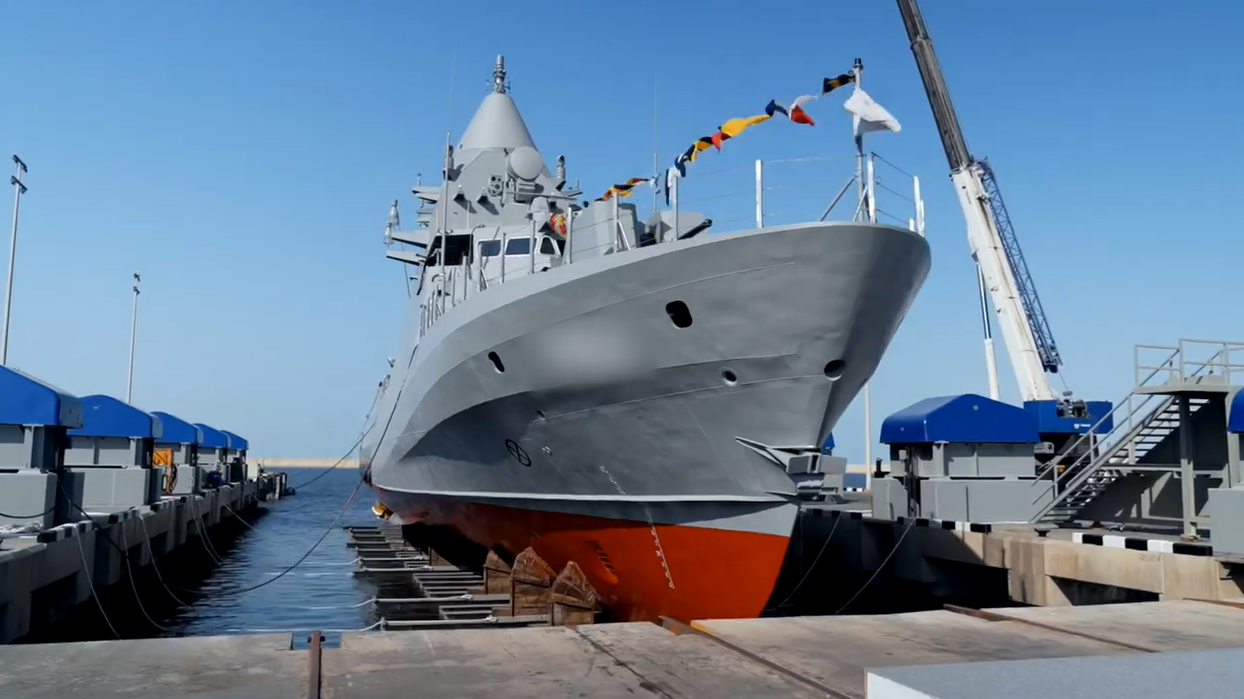
ST Engineering has secured a six-year subcontract tied to a fleet of vessels for the Kuwaiti navy, expanding the Singapore group’s footprint in Middle Eastern defense markets. According to the supplied report, the company will design and supply platform systems for eight missile gun boats and will build three of the vessels at its Singapore shipyard.
The contract is valued at 600 million Singapore dollars, or about 467.6 million US dollars. That makes it a substantial industrial and defense-program win in its own right, while also linking ST Engineering to a larger naval modernization effort already underway between Kuwait and the United Arab Emirates.
How the deal is structured
The arrangement stems from Abu Dhabi Ship Building, or ADSB, a subsidiary of EDGE Group in the UAE. ADSB has subcontracted ST Engineering for the design and supply work. The vessels are described in the supplied text as missile gun boats for Kuwait and are based on ST Engineering’s Fearless-class patrol vessels.
The report says the design is considered suitable for operations in the Middle East and emphasizes the vessels’ versatility and reliability. For ST Engineering, that provides a chance not only to export systems but also to place one of its naval design lineages into a high-profile regional program.
The company’s responsibilities include design and integration work in addition to shipbuilding for three vessels. That means the award is not limited to component supply. It extends into core platform delivery.
The broader program behind it
This subcontract follows a larger June 2025 agreement between EDGE and the Kuwaiti government covering eight Falaj-3 offshore patrol vessels for the navy. Breaking Defense reported that deal at $2.45 billion and said EDGE described it at the time as its largest ever contract in the Middle East.
That context is important because it shows the ST Engineering award is part of a much bigger regional naval procurement chain. Kuwait is not simply buying a small number of discrete vessels. It is engaged in a multi-ship program with industrial roles spread across Gulf and Asian defense manufacturers.
According to an earlier interview cited in the supplied text, ADSB expected delivery of the first vessel to Kuwait in mid-2027.
Why the contract matters
The immediate significance is commercial. A 600 million Singapore dollar subcontract strengthens ST Engineering’s order book and extends its export defense business in a region with sustained demand for maritime security platforms.
Strategically, the award also reflects a wider pattern in naval procurement. Countries increasingly rely on multinational teaming arrangements in which prime contractors, regional industrial champions, and specialist shipbuilders divide work across design, systems integration, and hull construction.
Several themes stand out:
- Regional demand for maritime security platforms remains strong.
- Programs are increasingly structured through cross-border industrial partnerships.
- Shipbuilders with proven patrol-vessel designs can adapt them for new national requirements.
- Defense exports are as much about systems integration as they are about hull production.
An export foothold with longer-term implications
ST Engineering said the win underscores its ability to deliver sophisticated naval platforms and capture demand in the Middle East. That is a company claim, but the contract itself supports the broader point that the firm is building momentum outside its domestic base.
Whether the program leads to additional regional work will depend on execution, delivery schedules, and performance once the vessels enter service. But the scale and structure of this award already make it more than a routine subcontract. It is a sign that naval programs in the Gulf continue to create openings for international defense-industrial players with mature designs and integration capacity.
For Kuwait, the program advances planned fleet expansion. For ST Engineering, it adds a substantial overseas naval win. For the region’s defense market, it is another example of how maritime procurement is increasingly being assembled through global industrial networks rather than single-country production lines.
This article is based on reporting by Breaking Defense. Read the original article.
Originally published on breakingdefense.com