Washington is preparing more options as the regional conflict deepens
The Pentagon is reportedly drawing up plans for weeks of ground operations in Iran as U.S. forces continue to build up across the region. According to the report cited in the source, the options could involve both conventional infantry and special operations forces, though they would stop short of a full-scale invasion. Any decision to proceed would rest with President Donald Trump.
The significance is not only in the prospect of ground action, but in the fact that it is being actively planned at all. White House Press Secretary Karoline Leavitt said the Pentagon’s role is to prepare options for the commander in chief and that such planning does not mean a final decision has been made. Even so, the existence of those plans suggests the conflict is entering a more dangerous phase, one in which air and maritime pressure alone may no longer be treated as sufficient contingency preparation.
Force movements are reinforcing the signal
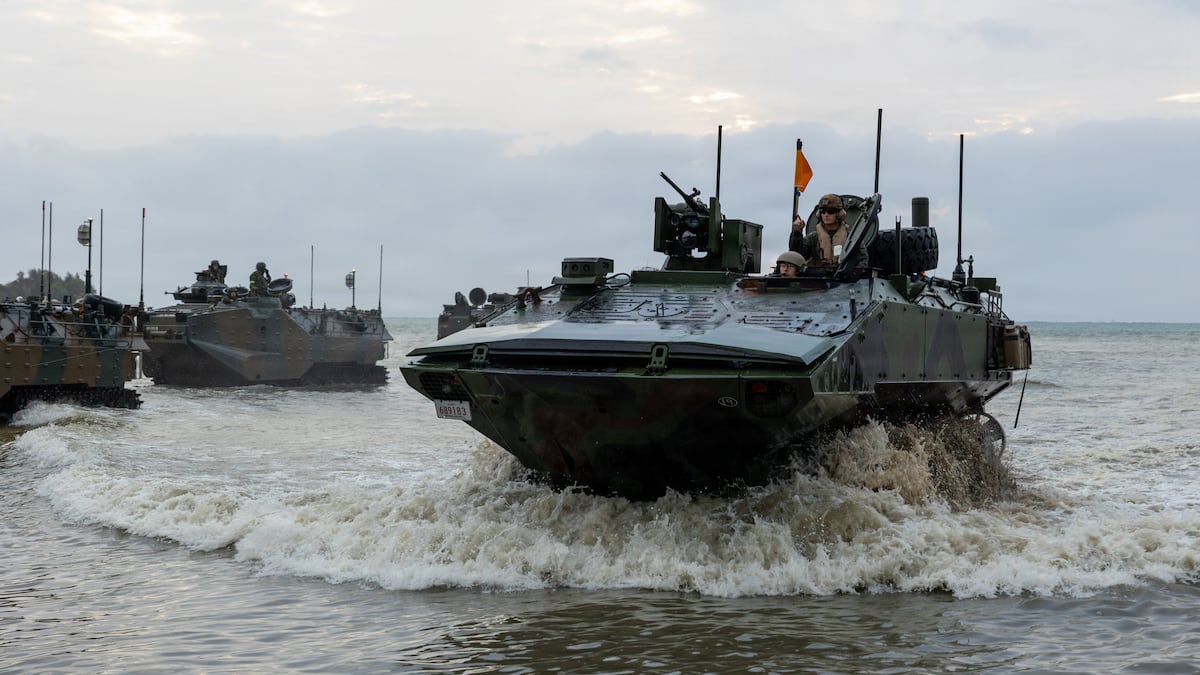
The report lands as U.S. military assets continue moving into the Middle East. On Friday, Marines and sailors assigned to the Tripoli Amphibious Ready Group, including the embarked 31st Marine Expeditionary Unit, arrived in U.S. Central Command waters. The Pentagon has also confirmed that elements of the 82nd Airborne Division headquarters and a brigade combat team are slated to deploy.
Those are not symbolic additions. The 82nd Airborne is one of the U.S. military’s primary rapid-response formations, and a Marine expeditionary unit brings a flexible package of infantry, aviation, and logistics. In practical terms, those movements create more immediate options for crisis response, deterrence, raids, reinforcement, or wider escalation management.
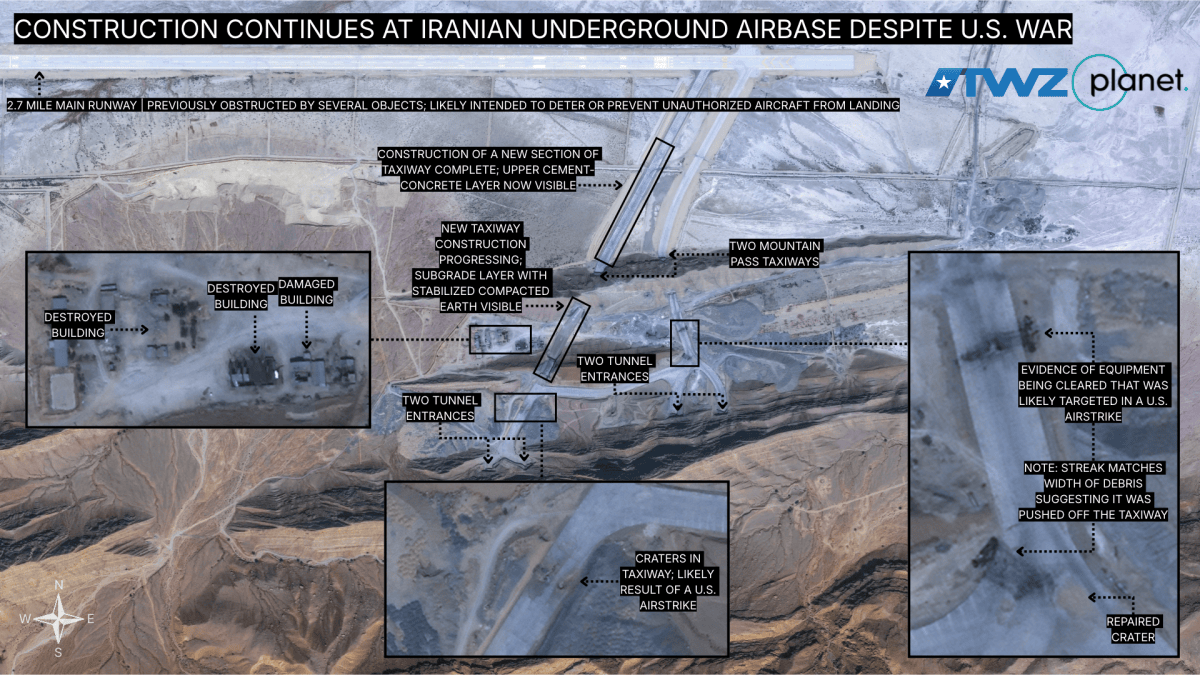
The latest strike raised the temperature further
The timing is especially notable because the buildup follows a new Iranian missile and drone attack on Prince Sultan Airbase in Saudi Arabia that injured 12 U.S. service members, two of them seriously, according to the source. The report also said multiple U.S. aircraft were damaged, including an E-3 Sentry AWACS and several KC-135 tankers.
That attack changes the context around military planning. Once U.S. personnel are repeatedly exposed to direct attack, internal pressure to create more forceful response options tends to increase. Ground-operation planning does not mean such an option will be chosen, but it does indicate that commanders and civilian leaders are working through scenarios beyond defensive repositioning.
Operation Epic Fury is already costly
The source says 13 service members have been killed in action and nearly 300 wounded during Operation Epic Fury, the joint U.S.-Israeli effort against Iran that began on Feb. 28. Most of the wounded have reportedly returned to duty, but the casualty figures alone show the campaign is not operating at low intensity.
That matters for strategic interpretation. Force deployments, casualty accumulation, and contingency planning together suggest a conflict environment that is becoming harder to contain. The more assets committed, the more exposed personnel and equipment become, and the more plausible broader operations start to look inside the planning process.
The threshold question remains political
Operational planning can move quickly, but the threshold for approving ground operations remains political and strategic, not merely military. Ground action would expose U.S. troops to greater risk and would likely widen the consequences of an already volatile campaign. That is why Leavitt’s statement matters: the administration wants to distinguish between preparation and authorization.
For now, the clearest conclusion is that the Pentagon is treating escalation as a live possibility. The arrival of additional forces, the latest casualties, and the reported preparation for multiweek ground operations together mark a substantial step up in seriousness, even before any order is given.
- The Pentagon is reportedly preparing options for possible ground operations in Iran.
- The plans could involve infantry and special operations forces.
- Additional U.S. assets, including the Tripoli ARG and 82nd Airborne elements, are moving into the region.
- A recent Iranian missile and drone strike injured 12 U.S. service members in Saudi Arabia.
This article is based on reporting by Defense News. Read the original article.
Originally published on defensenews.com