Navy budget request brings the P-8A back into the procurement plan
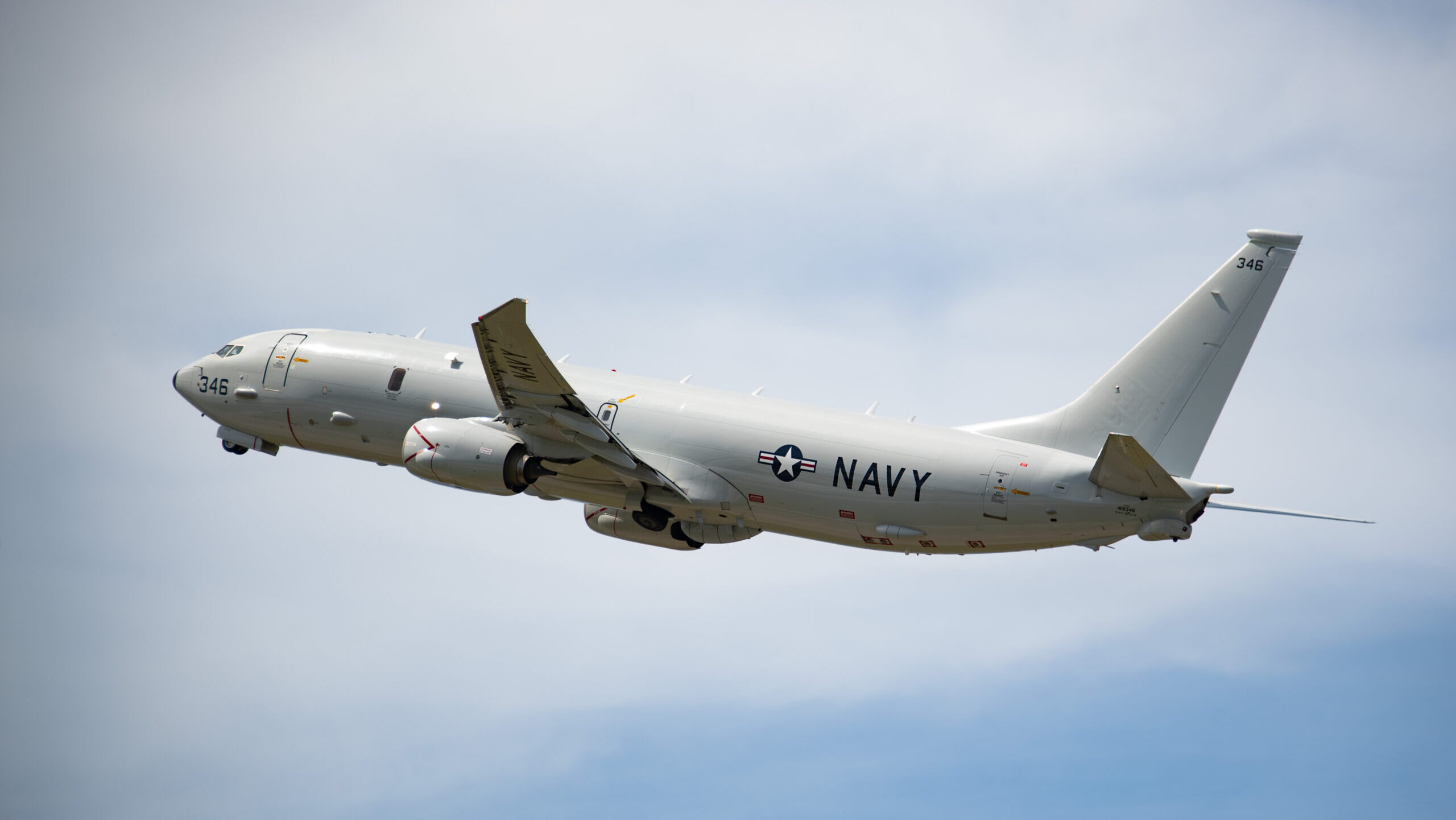
The US Navy is seeking to resume purchases of the P-8A Poseidon after pausing procurement in fiscal 2025 and fiscal 2026. In its fiscal 2027 budget request, the service is asking for 12 aircraft for just over $4.2 billion, signaling that the maritime patrol and reconnaissance platform remains a priority even as its production run approaches the end.
The request is notable both for its timing and its scale. The Navy says fiscal 2027 is the last planned year of production, and the final aircraft delivery is expected in the first quarter of fiscal 2032. That places the new buy in a narrowing window: the service is not just adding aircraft, it is making a late-cycle decision about the size and shape of the fleet before the line closes.
New aircraft are paired with a substantial upgrade push
The budget request also includes more than $381 million in fiscal 2027 for aircraft modifications, including radar upgrades and structural improvements. That matters because the Navy is not treating the Poseidon as a static platform. It is continuing to modernize the aircraft’s systems and survivability as operational demands evolve.
Part of that funding will support fielding the P-8A Poseidon Increment 3 Block 2 configuration, which Naval Air Systems Command said reached initial operating capability on April 24. According to NAVAIR, the upgrade package includes changes to the airframe and avionics along with new racks, a radome, antennas, sensors, and wiring.
The updated aircraft also receives a new combat systems suite, a wideband satellite communication system, and an anti-submarine warfare signals intelligence capability, among other features. These additions show that the platform’s future is not just about fleet numbers but about what the aircraft can do in more contested and data-intensive environments.
The Navy is emphasizing ISR and anti-submarine relevance
The P-8A is a multi-mission maritime patrol and reconnaissance aircraft used for anti-submarine warfare and intelligence, surveillance, and reconnaissance missions. Rear Adm. Michael Wosje, the Navy’s air warfare director, said the Increment 3 Block 2 modifications enhance maritime intelligence, surveillance, reconnaissance, and targeting capabilities and align with the service’s effort to think in terms of warfighting systems rather than isolated platforms.
That framing suggests the Navy sees the Poseidon less as a stand-alone patrol aircraft and more as a node within a wider sensing and targeting architecture. In current force planning, that distinction is critical. Platforms that can collect, process, and relay information efficiently are increasingly judged by how well they fit into broader operational networks.
What the fiscal 2027 plan includes
- 12 new P-8A Poseidon aircraft for just over $4.2 billion.
- More than $381 million for modifications, including radar and structural upgrades.
- Continued fielding of the Increment 3 Block 2 configuration.
- Final planned production year in fiscal 2027, with last delivery expected in early fiscal 2032.
Production is ending, but capability demands are still rising
The timing of the buy points to a familiar defense acquisition challenge. Even as a production line heads toward closure, the missions assigned to the aircraft can become more demanding. The Navy’s answer here appears to be a two-track approach: acquire more airframes before the line ends, and improve the capability of the fleet through a deeper upgrade package.
The service already sent the first P-8A to Boeing in March 2024 for the Block 2 upgrades at the company’s maintenance, repair, and overhaul facility in Jacksonville, Florida. Updates to that initial aircraft were completed in June 2025. Reaching initial operating capability in 2026 suggests the Navy is now moving from demonstration and modification into wider operational incorporation.
That progression matters because maritime patrol aircraft sit at the intersection of submarine tracking, long-range surveillance, and fleet support. The specific changes described by NAVAIR indicate the Navy wants a Poseidon fleet that is better equipped for sensing, connectivity, and mission-system integration. These are precisely the areas that become more valuable as naval operations stretch across larger theaters and more congested electromagnetic environments.
A late-stage investment with strategic implications
The P-8A program is often discussed in terms of procurement totals, but the fiscal 2027 request suggests a broader story. The Navy is making a final production-year investment while simultaneously upgrading the platform’s intelligence, communications, and anti-submarine toolset. That points to confidence that the aircraft will remain operationally relevant well into the next decade.
It also underscores how modernization increasingly happens in layers. Buying aircraft alone is not enough; neither is upgrading old ones without maintaining fleet size. The Navy is trying to do both before production ends. If Congress supports the request, the result would be a larger and more capable Poseidon force just as the window to order more of them closes.
That combination makes the budget move more than a routine procurement line. It is a final-round decision about sustaining one of the Navy’s core maritime surveillance and anti-submarine platforms in a period when those missions are only becoming more central.
This article is based on reporting by Breaking Defense. Read the original article.
Originally published on breakingdefense.com