A High-Stakes Conversation
Defense Secretary Pete Hegseth is scheduled to meet with Anthropic CEO Dario Amodei, a sit-down that underscores the intensifying debate over how artificial intelligence should be used by the American military. The meeting comes as the Department of Defense accelerates its efforts to deploy AI across a range of military applications, from intelligence analysis to logistics to autonomous weapons systems.
Anthropic, the AI safety company behind the Claude family of models, has positioned itself as a cautious voice in the AI industry, emphasizing the importance of safety research and responsible deployment. The company's willingness to engage directly with the Pentagon represents a notable evolution in its approach to government partnerships, and the meeting with Hegseth could shape the terms of that engagement for years to come.
The Pentagon's AI Ambitions
The Department of Defense has been investing heavily in artificial intelligence for several years, but the pace has accelerated dramatically under the current administration. The Pentagon's Chief Digital and Artificial Intelligence Office (CDAO) has been tasked with scaling AI adoption across all military services, and the department has awarded billions of dollars in contracts to technology companies for AI-related work.
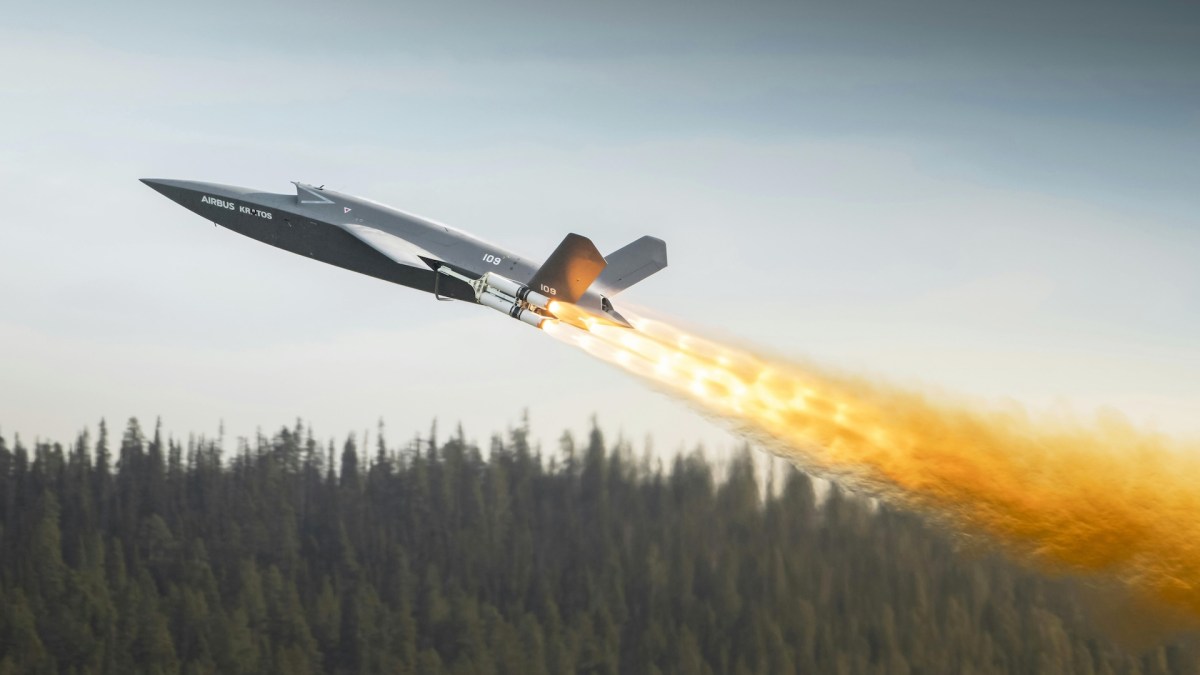
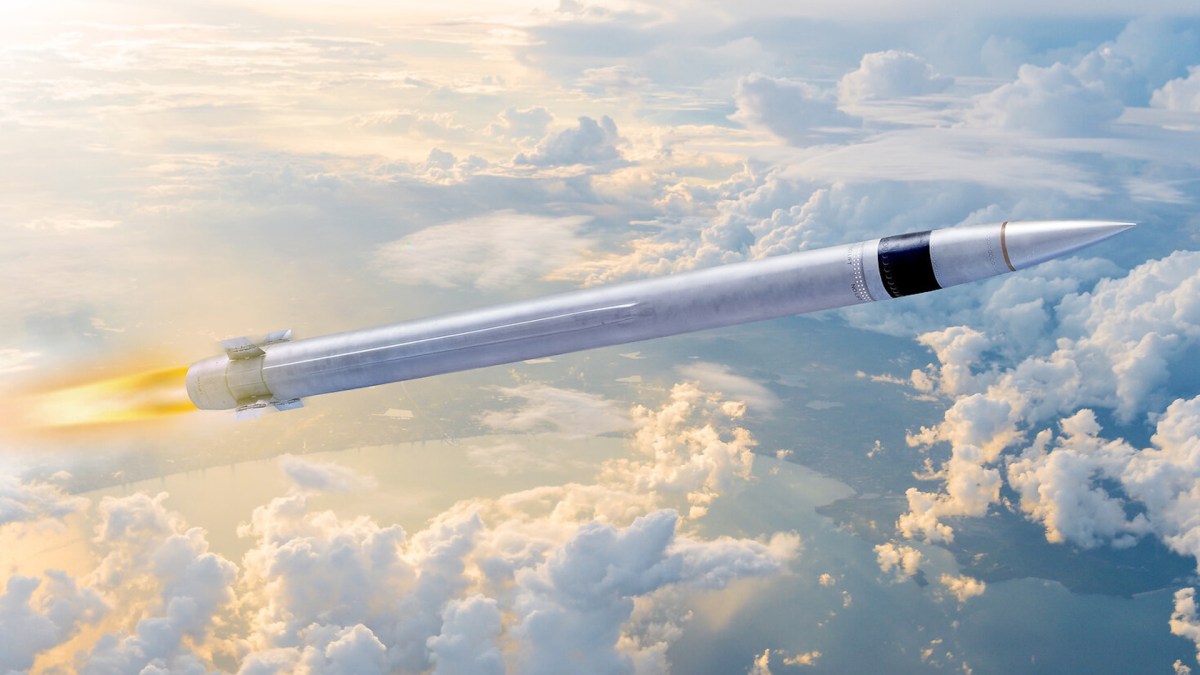
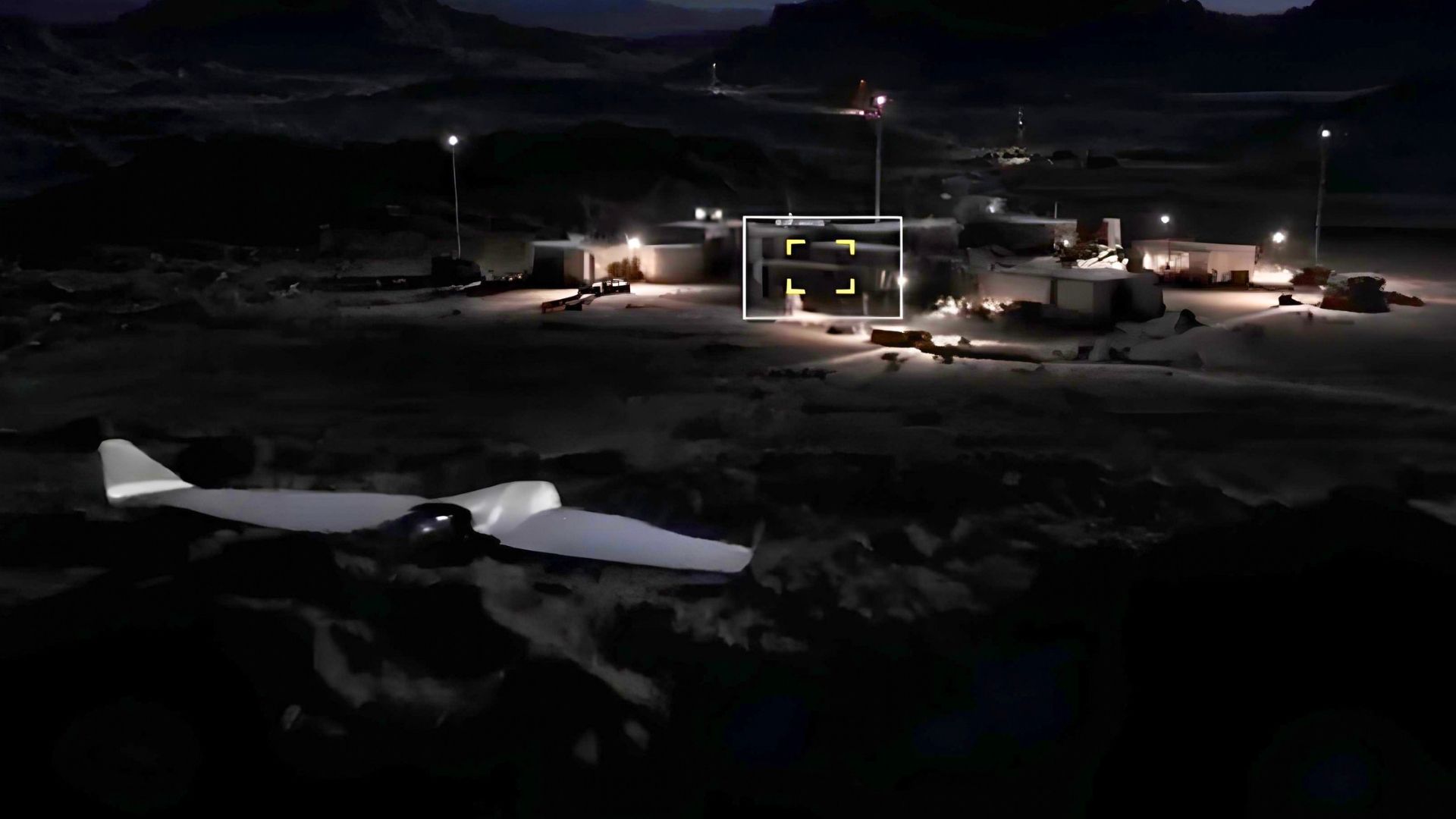
Key areas of focus include predictive maintenance for military equipment, automated intelligence analysis of satellite imagery and signals data, decision support tools for battlefield commanders, and — most controversially — autonomous weapons systems that can identify and engage targets with varying degrees of human oversight.
Hegseth has been vocal about his view that the United States must move faster to deploy AI in military applications or risk falling behind China, which has made AI-enabled warfare a central pillar of its military modernization strategy. His position reflects a broader concern within the defense establishment that excessive caution about AI safety could create a dangerous capability gap.
Anthropic's Balancing Act
For Anthropic, the meeting with Hegseth represents a delicate balancing act. The company was founded in 2021 by former OpenAI researchers who left in part over concerns about the pace and safety of AI development. Its corporate identity is built around the concept of responsible AI, and it has published extensive research on AI alignment, safety benchmarks, and the risks of deploying powerful AI systems without adequate safeguards.
At the same time, Anthropic is a commercial company that has raised over $10 billion in funding and faces pressure to generate revenue. Government contracts represent a significant business opportunity, and defense and intelligence agencies are among the most eager and well-funded customers for advanced AI capabilities.
The company has already taken steps toward government work. Anthropic's models are available through Amazon Web Services' GovCloud, and the company has engaged with various government agencies on AI safety and evaluation. However, it has been more cautious than some competitors about explicit military partnerships, and its acceptable use policy places restrictions on certain applications of its technology.
The Broader Industry Divide
The Hegseth-Amodei meeting reflects a wider divide within the technology industry over military AI. Some companies, like Palantir, Anduril, and Shield AI, have built their businesses around defense applications and have embraced the Pentagon as a primary customer. Others, including some of the major AI labs, have been more ambivalent, balancing commercial opportunities against the reputational risks of association with military applications.
Google famously withdrew from Project Maven, a Pentagon program to apply AI to drone imagery analysis, after employee protests in 2018. The company later reversed course and has since won significant defense contracts. Microsoft has maintained a consistent posture of engagement with the military, arguing that democratic nations should have access to the best available technology.
- The Pentagon is accelerating AI adoption across intelligence, logistics, and autonomous weapons
- Defense officials argue the U.S. must move faster to keep pace with China's military AI programs
- AI safety advocates worry about deploying powerful systems in high-stakes military contexts without adequate safeguards
- Several major AI companies have expanded government and defense work despite earlier hesitation
What Is at Stake
The debate over military AI is not merely academic. Decisions made in the coming months and years about how AI systems are integrated into military operations could have profound consequences for the nature of warfare, the risk of escalation, and the protection of civilians in conflict zones.
Advocates for rapid deployment argue that AI can make military operations more precise and reduce civilian casualties by improving targeting accuracy and situational awareness. Critics counter that the technology is not yet reliable enough for life-and-death decisions, and that deploying AI weapons systems could lower the threshold for the use of force by making military action seem less costly.
The meeting between Hegseth and Amodei is unlikely to resolve these tensions, but it could help define the parameters of Anthropic's engagement with the defense establishment. If one of the AI industry's most safety-conscious companies can find a workable framework for military cooperation, it could set a template for others to follow. If the talks break down over irreconcilable differences about safety standards, it could deepen the divide between the tech industry and the Pentagon at a time when both sides say cooperation is essential.
A Defining Moment
For the AI industry as a whole, the growing integration of artificial intelligence into military systems represents a defining moment. The technology that was incubated in academic research labs and commercialized through consumer chatbots is now being asked to perform some of the most consequential tasks imaginable. How that transition is managed — and by whom — will shape not just the future of warfare, but the future of the AI industry itself.
This article is based on reporting by C4ISRNET. Read the original article.
Originally published on c4isrnet.com