A New Chapter in Hypersonic Weaponry
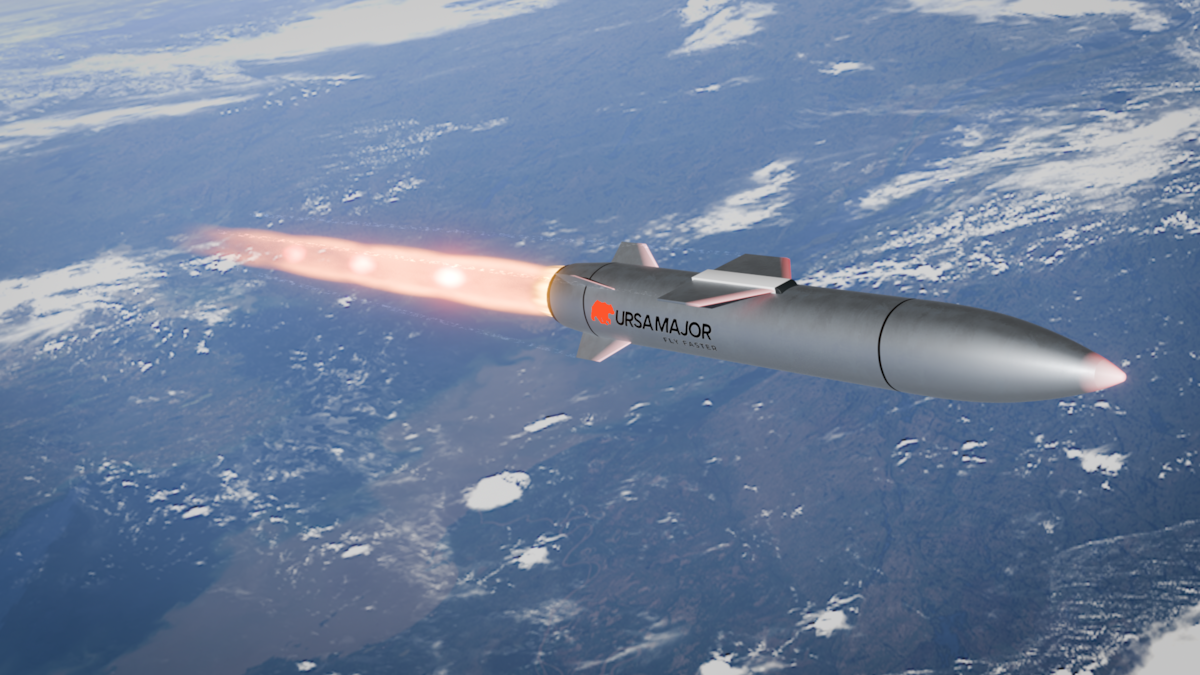
The United States is on the cusp of deploying a new generation of hypersonic missiles that could fundamentally reshape how the military projects lethal force across domains. Ursa Major, a Colorado-based defense manufacturer best known for its rocket propulsion work, publicly debuted its HAVOC missile system on Tuesday, revealing a medium-range hypersonic weapon designed with an unprecedented degree of launch flexibility.
Unlike existing hypersonic prototypes that are tailored to a single platform, HAVOC is engineered from the ground up to operate across fighter aircraft, strategic bombers, ground-based vertical launch systems, and even orbital deployment scenarios. That multi-domain versatility addresses one of the Pentagon's most persistent procurement headaches: fielding a single weapon system that can be integrated across service branches without expensive, platform-specific redesigns.
Liquid Rocket Power and Variable Speed
At the heart of HAVOC sits a liquid rocket engine — a departure from the solid-fuel boosters that power most tactical missiles. Liquid propulsion gives the system a critical advantage: the ability to throttle and alter its speed in flight. A solid-fuel motor burns at a fixed rate once ignited, but a liquid engine can be modulated, allowing HAVOC to accelerate through defended airspace or adjust its terminal approach velocity to defeat specific countermeasures.
This variable-speed capability is especially significant in contested environments where adversaries deploy layered air defense systems. A missile that can sprint to hypersonic speeds during its midcourse phase and then adjust its energy state for terminal maneuvers presents a far more complex targeting problem for defenders than a projectile traveling at a constant velocity.
Ursa Major has also designed the propulsion system to be compatible with a variety of rocket motor configurations. That modularity means the same basic airframe could be paired with different engine variants depending on the mission profile, range requirements, or the physical constraints of the launch platform.
Multi-Domain Launch Flexibility
The ability to fire HAVOC from space represents perhaps the most forward-looking element of the system. While the Department of Defense has studied space-based weapons concepts for decades, few production-oriented programs have explicitly included an orbital launch capability in their baseline design. Ursa Major's decision to build that option in from the start signals growing confidence within the defense industrial base that space-based strike platforms will move from concept to reality within the near term.
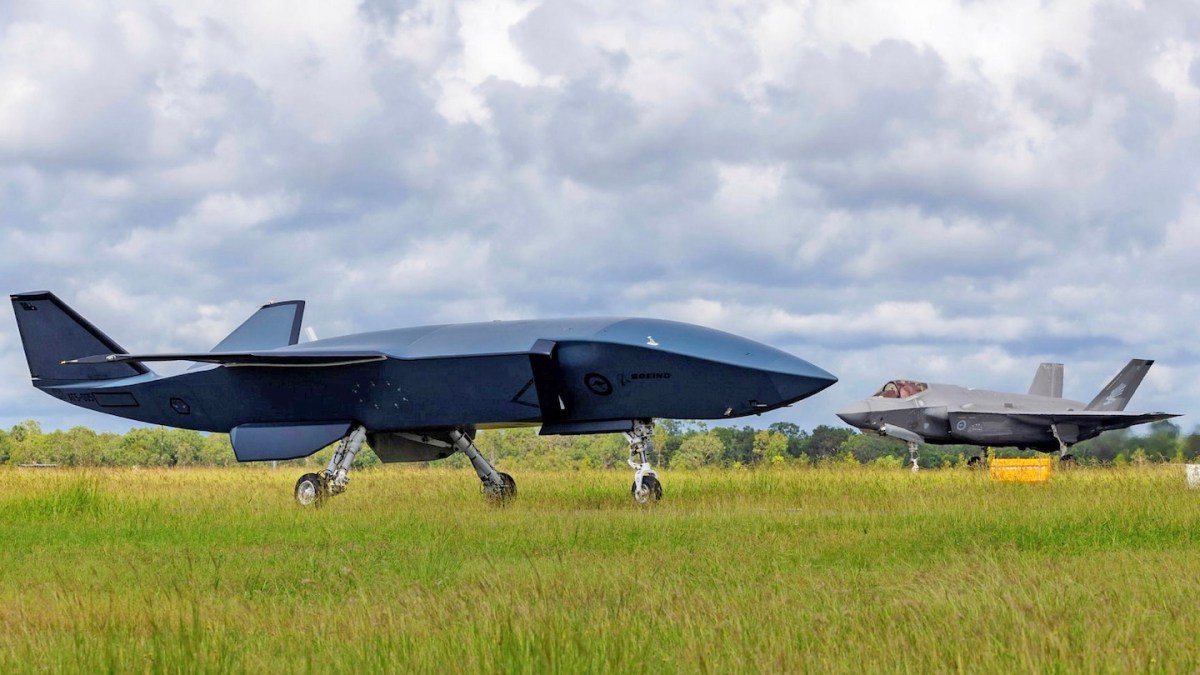
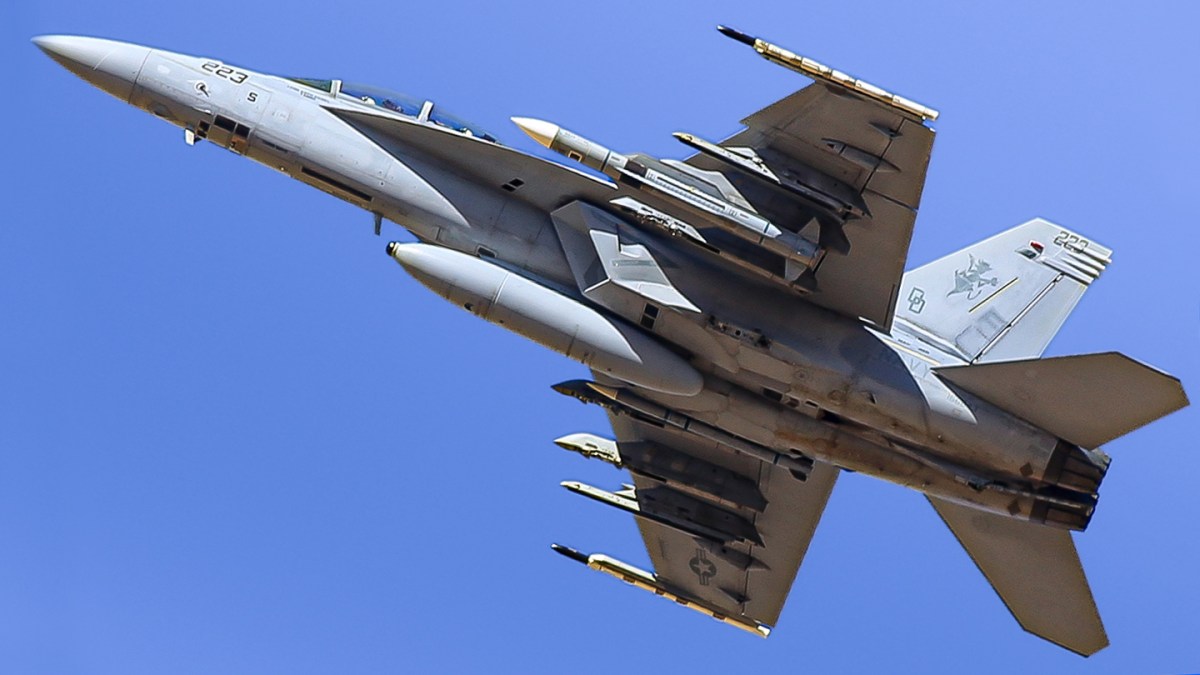
For the Air Force, HAVOC offers the possibility of arming existing fourth- and fifth-generation fighters with a hypersonic weapon that fits within standard weapons bay and pylon configurations. The Army, meanwhile, could integrate the system into mobile ground launchers, giving forward-deployed units a precision strike capability that currently requires calling in air support or relying on longer-range ballistic systems.
The Competitive Hypersonic Landscape
HAVOC enters a crowded and high-stakes field. The Pentagon has spent billions developing hypersonic weapons through programs like the Air Force's AGM-183A Air-launched Rapid Response Weapon (ARRW), the Navy's Conventional Prompt Strike system, and the Army's Long-Range Hypersonic Weapon. Several of those programs have experienced test failures and schedule delays, creating an opening for newer entrants like Ursa Major to offer alternative approaches.
Russia and China have both fielded operational hypersonic weapons, including Russia's Kinzhal air-launched missile and China's DF-ZF hypersonic glide vehicle. The proliferation of these capabilities among near-peer adversaries has injected urgency into American hypersonic development, with lawmakers and military leaders repeatedly citing the technology gap as a national security concern.
- HAVOC's liquid rocket engine allows mid-flight speed changes, a capability solid-fuel systems lack
- The system is designed for cross-domain deployment across air, ground, and space platforms
- Modular propulsion architecture allows pairing with different motor variants for different missions
- The design addresses Pentagon frustrations with platform-specific hypersonic programs
What Comes Next
Ursa Major has not disclosed specific contract details or a timeline for operational fielding, but the public unveiling suggests the company has progressed beyond the conceptual phase. The defense startup has previously secured contracts for rocket engine manufacturing and has built a reputation for vertically integrated propulsion production — fabricating critical engine components in-house rather than relying on a fragmented supply chain.
For the broader hypersonic ecosystem, HAVOC represents a shift in design philosophy. Rather than building a bespoke weapon for a single service branch, Ursa Major is betting that the future belongs to adaptable, multi-platform systems that can be deployed wherever the threat demands. If the system performs as advertised, it could offer the Pentagon something it has struggled to achieve with its larger programs: a hypersonic weapon that is both technologically advanced and practically deployable across the joint force.
This article is based on reporting by C4ISRNET. Read the original article.
Originally published on c4isrnet.com