A new kind of warning from Iraq
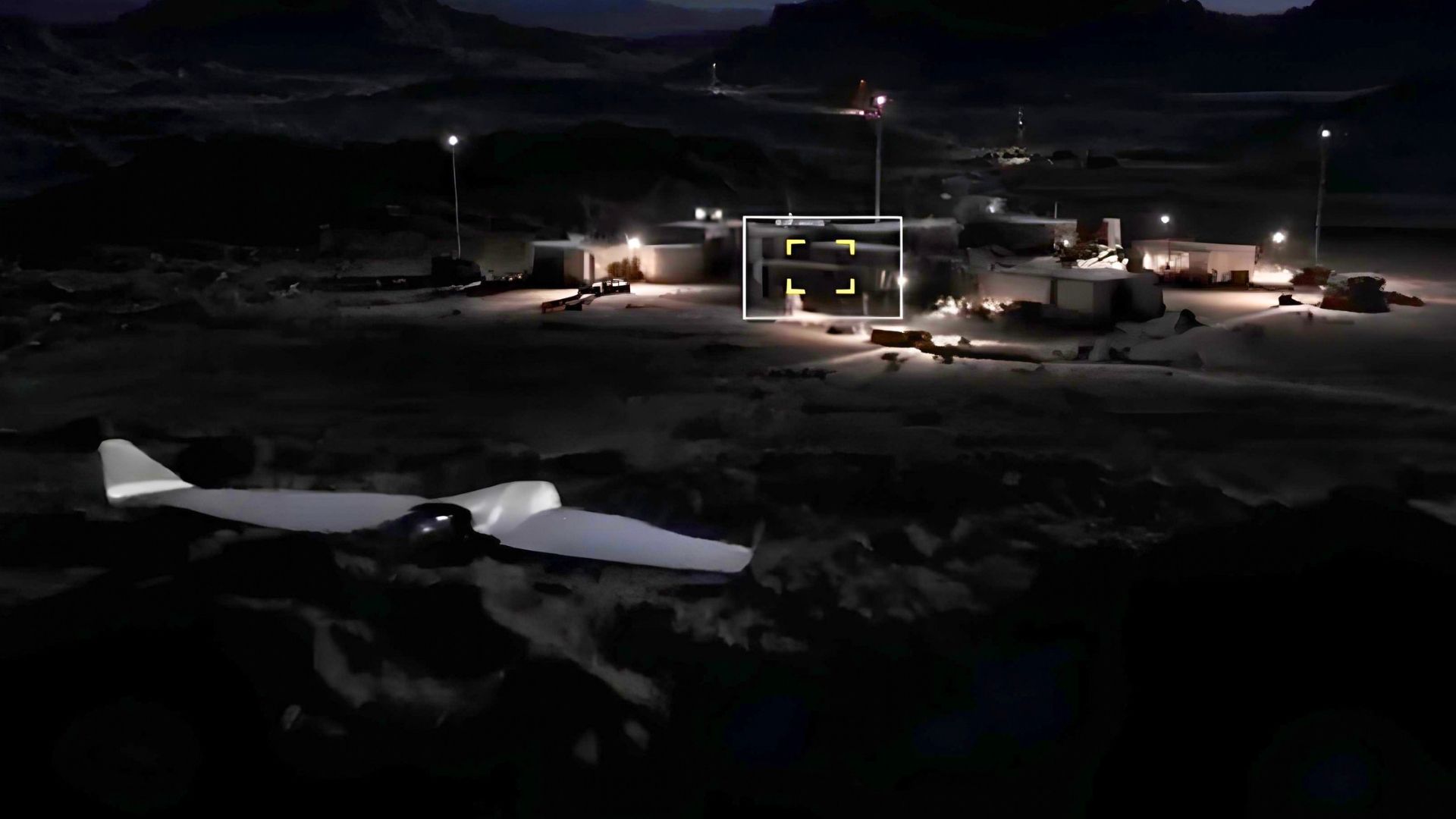
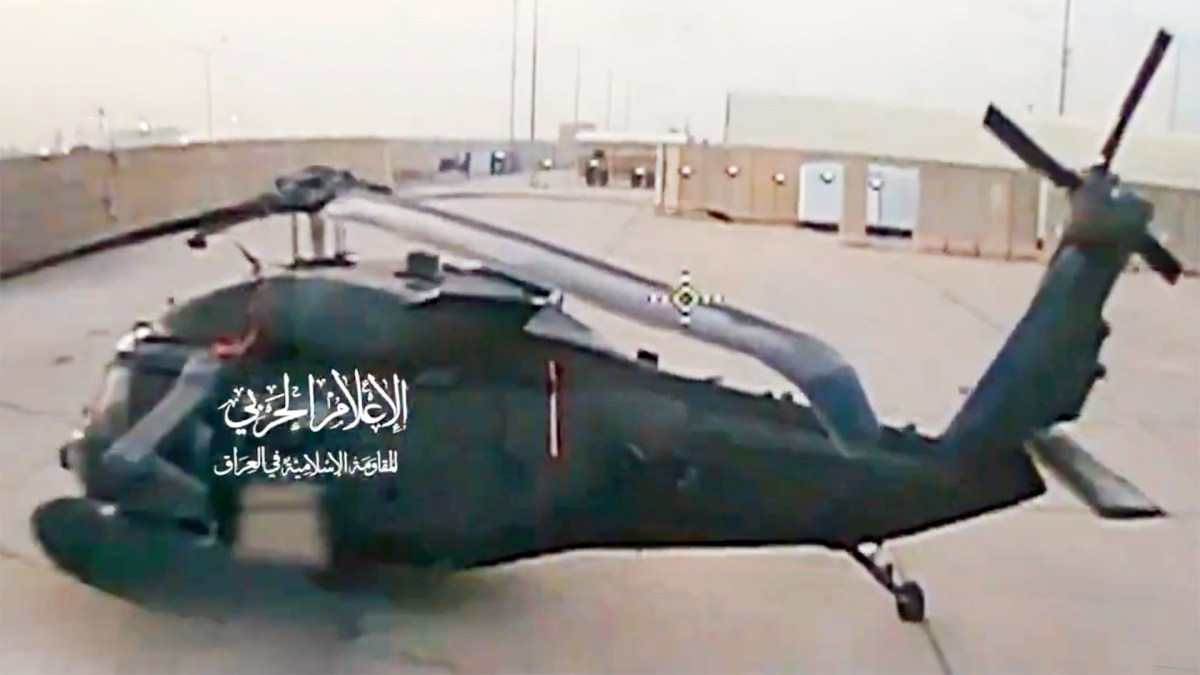
A short-range first-person-view drone attack in Iraq appears to have struck a parked U.S. Army Black Hawk helicopter and a critical air defense radar at an American base, underscoring how inexpensive unmanned systems are creating new risks for forces that once relied on distance, perimeter security, and hardened facilities for protection. According to details published March 25, the attack was attributed to an Iran-backed militia and may represent the first known successful strike of its kind on a U.S. military aircraft.
The reported incident took place at the Victory Base Complex, a cluster of U.S. military installations around Baghdad International Airport. Video that circulated online showed an FPV drone flying toward two Black Hawk helicopters parked inside a compound behind only a low blast wall. The feed reportedly cut out just before detonation on or near the main rotor area, leading observers to conclude that at least one of the aircraft was hit.
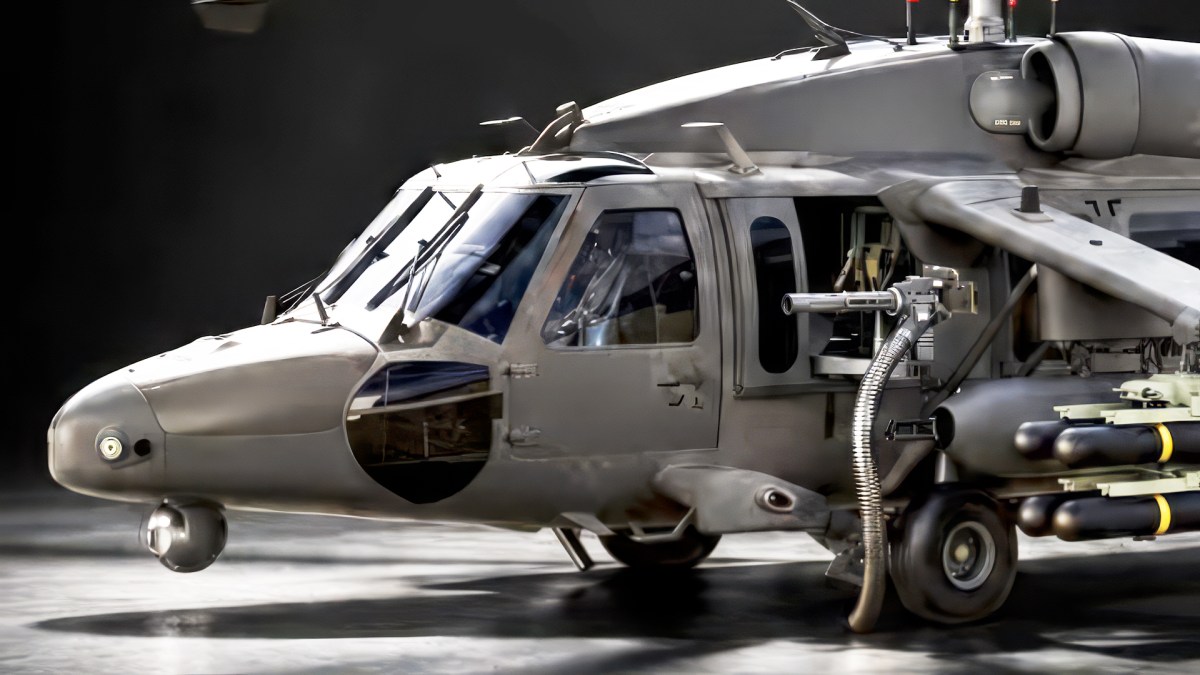
The helicopter appears to have been a medical evacuation-configured HH-60M Black Hawk. That detail matters because it suggests the target was not an aircraft in flight or in combat maneuver, but a valuable support platform sitting on the ground in a supposedly protected area. If confirmed, the strike would reinforce a hard lesson already visible in multiple conflicts: aircraft on ramps, dispersal pads, and operating bases are increasingly exposed to small drones that are difficult to detect and cheap to replace.
Why this attack matters
The significance of the incident is broader than the damage to a single helicopter. The report argues that the strike is part of a growing pattern in which small drones are used not only for surveillance but also for direct attacks on U.S. forces. In the Middle East, these systems have already been employed repeatedly by hostile actors against American personnel and installations. What is changing is the apparent precision and success rate against higher-value targets.
The attack also reportedly hit a critical air defense radar. That combination is notable. A force that can use one class of low-cost drone to damage both aircraft and defensive sensors can impose costs far beyond the price of the weapon itself. Even limited strikes can disrupt operations, force relocations, and require new layers of protection around parked assets.
The incident is also being framed as a preview of a threat the United States could increasingly face outside active war zones. The same report connects the Iraq strike to persistent and sometimes poorly explained drone incursions over sensitive American facilities, including bases linked to strategic assets. The core concern is simple: the technology required to launch a dangerous attack from short range is becoming more accessible, while defenses against such systems remain uneven.
The vulnerability of aircraft on the ground
For decades, the greatest danger to military aircraft was often assumed to come in the air or from long-range missile attack. Small FPV drones complicate that assumption. They can approach from low altitude, exploit cluttered terrain, and fly directly into exposed rotors, engines, radars, or support equipment. Even if they carry relatively small warheads, they can damage components that are expensive, difficult to replace, and operationally important.
Parked helicopters are especially vulnerable because rotor systems, avionics, and airframe sections can be exposed, and many forward operating areas are not designed to defeat a swarm of improvised aerial threats. Low walls and conventional standoff measures may help against blasts or indirect fire, but they are not necessarily effective against a maneuvering drone diving into a target from above or from an oblique angle.
The Iraq incident also highlights a growing mismatch between the cost of attack and the cost of defense. A modest FPV drone can threaten aircraft worth tens of millions of dollars. Defending against that threat at every active base, staging site, and logistics node is far more demanding than fielding the drone itself.
From regional threat to wider strategic problem
The broader military implication is that short-range kamikaze drones are no longer a niche battlefield tool. They are becoming part of the standard threat environment for U.S. operations in contested regions. Militias, proxy groups, and other non-state actors can use them to pressure high-value targets without needing advanced air forces or expensive missile inventories.
The report argues that this danger extends beyond overseas deployments. American bases have already faced troubling drone overflights, and the concern is not limited to surveillance. A hostile drone can map routines, observe defenses, test response times, and potentially deliver a small but strategically disruptive attack. When strategic bombers, nuclear infrastructure, helicopters, and radar systems are all within reach of low-cost unmanned systems, the perimeter defense problem becomes much harder.
That does not mean every drone incursion will become a strike. But the Iraq case shows that the threshold between observation and attack may be lower than many planners once assumed. A successful hit on a parked helicopter is a reminder that airpower depends not just on aircraft performance, but on the ability to secure and sustain those aircraft while they are stationary and exposed.
What comes next
The immediate unanswered questions include the full extent of the damage, the exact munitions used, and whether additional protective measures were in place at the targeted site. But even before those details are resolved, the core takeaway is clear. U.S. forces are confronting an operational environment in which cheap drones can threaten expensive platforms in places once considered relatively safe.
The challenge now is not simply to add more counter-drone systems. It is to rethink how aircraft are parked, dispersed, concealed, and defended. The same is true for radar units and other mission-critical equipment. The Iraq strike suggests that without those adjustments, adversaries will continue to exploit one of the most favorable exchanges in modern warfare: a low-cost drone aimed at a high-value asset sitting still.
This article is based on reporting by twz.com. Read the original article.
Originally published on twz.com