A New Chapter in Air Combat
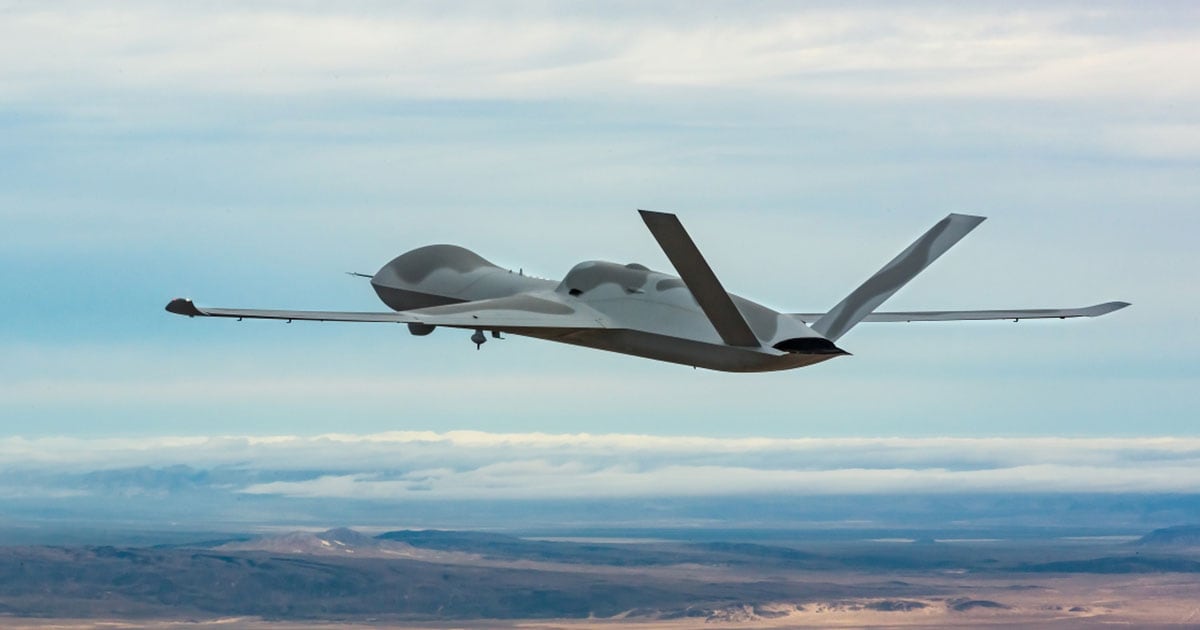
The United States Air Force has completed a milestone flight exercise pairing its premier air superiority fighter, the F-22 Raptor, with the General Atomics MQ-20 Avenger unmanned combat aerial vehicle. The exercise, which tested coordinated manned-unmanned teaming concepts, represents a significant step toward the Air Force's vision of future air combat where autonomous drones fly as wingmen alongside piloted fighters.
The exercise demonstrated the ability of the F-22 pilot to direct the MQ-20's movements and sensor operations while maintaining their own tactical awareness. The two aircraft flew in coordinated formation, with the drone executing tasks directed by the fighter pilot through a datalink connection.
The Collaborative Combat Aircraft Concept
The manned-unmanned teaming exercise is part of the Air Force's broader Collaborative Combat Aircraft (CCA) program, which aims to field a fleet of autonomous drones that can operate alongside manned fighters. The concept envisions each piloted aircraft directing two or more autonomous wingmen, dramatically expanding the sensor coverage, weapons capacity, and tactical options available to a single pilot.
The CCA program represents one of the most ambitious transformation efforts in Air Force history. Rather than simply building more expensive manned fighters, the service is betting that relatively affordable autonomous drones can multiply the combat power of its existing fleet. Each CCA is expected to cost a fraction of a manned fighter — potentially $20 million or less compared to over $100 million for aircraft like the F-35.
The MQ-20 Avenger, built by General Atomics Aeronautical Systems, serves as a surrogate platform for testing CCA concepts while purpose-built autonomous wingmen are still in development. The Avenger is a jet-powered drone with a wingspan of 66 feet, capable of carrying internal weapons payloads and advanced sensor suites. Its performance characteristics make it a suitable stand-in for the kind of autonomous aircraft the Air Force plans to field later this decade.
What the Exercise Demonstrated
While the Air Force has kept many details of the exercise classified, several key capabilities were reportedly tested during the flights. These included coordinated navigation and formation flying, with the MQ-20 maintaining position relative to the F-22 through various maneuvers. The exercise also tested the pilot's ability to task the drone's sensors, directing it to scan specific areas or track particular targets.
Communications resilience was another focus area. In a contested combat environment, adversaries would attempt to jam the datalink between manned and unmanned aircraft. The exercise reportedly evaluated how well the teaming concept performs when communication links are degraded, and how much autonomy the drone can exercise when it loses contact with its human controller.
The choice of the F-22 as the manned platform is significant. The Raptor is the Air Force's most capable air superiority fighter, designed primarily for air-to-air combat against peer adversaries. Pairing it with an autonomous wingman could extend the F-22's sensor range, carry additional weapons, and serve as a forward scout that can absorb risk that would otherwise fall on the manned aircraft.
- The exercise tested coordinated formation flying, sensor tasking, and communications resilience
- The MQ-20 Avenger serves as a surrogate for purpose-built autonomous wingmen still in development
- Each CCA drone is expected to cost roughly one-fifth the price of a manned fighter
- The Air Force envisions each pilot directing two or more autonomous wingmen in combat
Strategic Implications
The manned-unmanned teaming concept addresses several strategic challenges facing the Air Force. The service's fleet of manned fighters has been shrinking for decades due to rising aircraft costs and flat budgets. The average age of Air Force aircraft is now over 30 years, and the service cannot afford to replace its aging fleet on a one-for-one basis with expensive manned platforms.
Autonomous wingmen offer a way to grow the force structure without proportionally growing the budget. If the Air Force can field CCAs at $20 million each, it could purchase five drones for the price of a single F-35, dramatically increasing the number of platforms available for combat operations.
The concept also addresses a potential adversary's strategy for countering American air power. China and Russia have invested heavily in advanced air defense systems designed to deny access to American aircraft. By sending autonomous drones ahead of manned fighters, the Air Force can probe and suppress enemy defenses while keeping human pilots at safer distances.
The Road Ahead
The F-22 and MQ-20 exercise is one of many manned-unmanned teaming experiments the Air Force is conducting as it refines the CCA concept. The service has awarded contracts to multiple companies to develop purpose-built CCA platforms, with Anduril and General Atomics among the prime contractors.
The first operational CCA variants are expected to reach initial operational capability later this decade, with plans to eventually field over 1,000 autonomous wingmen across the Air Force. Achieving that goal will require not only developing reliable autonomous flight systems but also building the command-and-control infrastructure, maintenance capabilities, and training programs needed to integrate drones into daily air operations.
The successful F-22 and MQ-20 exercise suggests that the technological foundations for manned-unmanned teaming are maturing rapidly. The harder challenges may lie in the institutional and cultural changes required to trust autonomous systems with meaningful roles in air combat.
This article is based on reporting by C4ISRNET. Read the original article.
Originally published on c4isrnet.com