A rescue mission that rapidly became a theater-wide operation
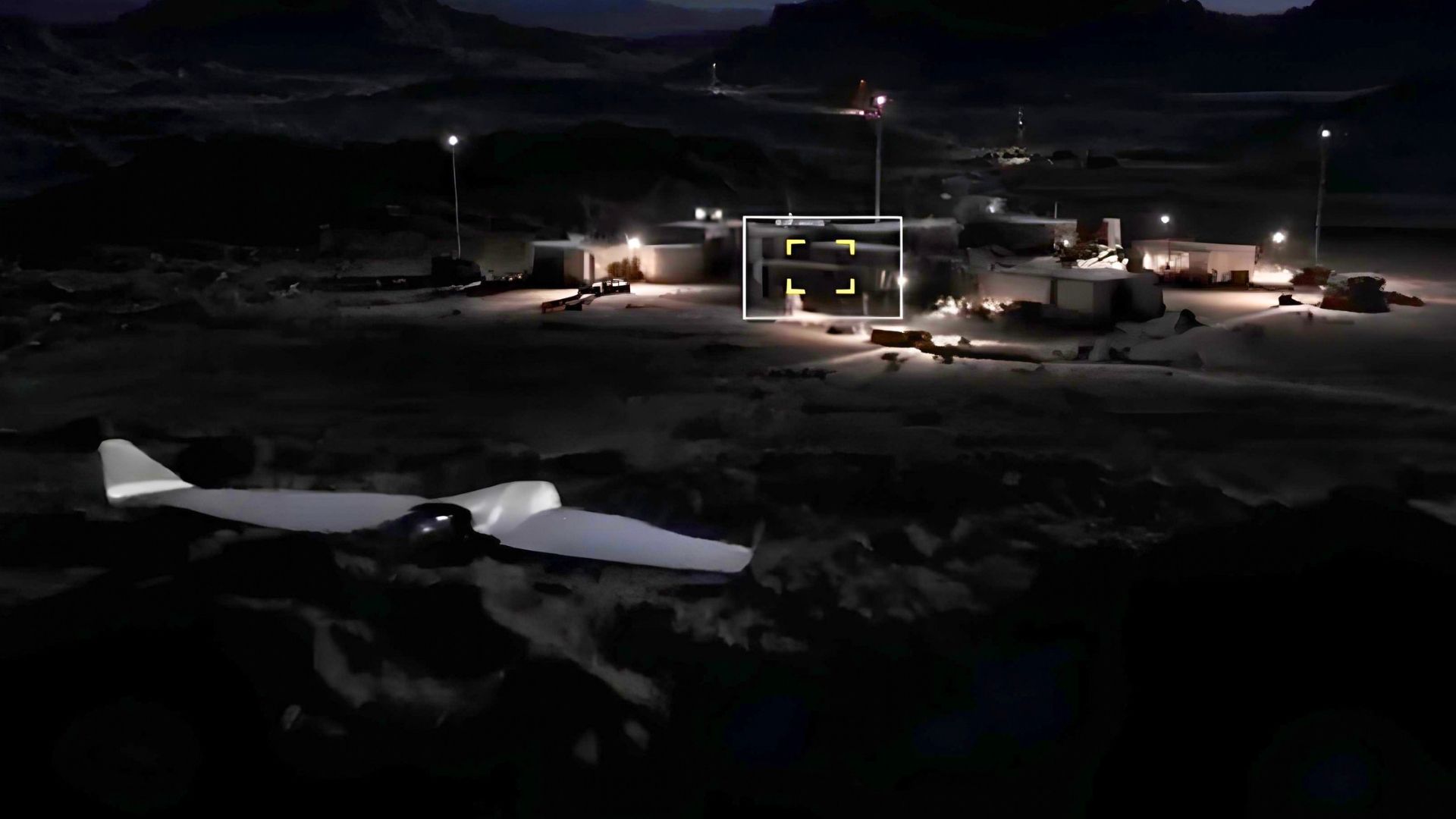
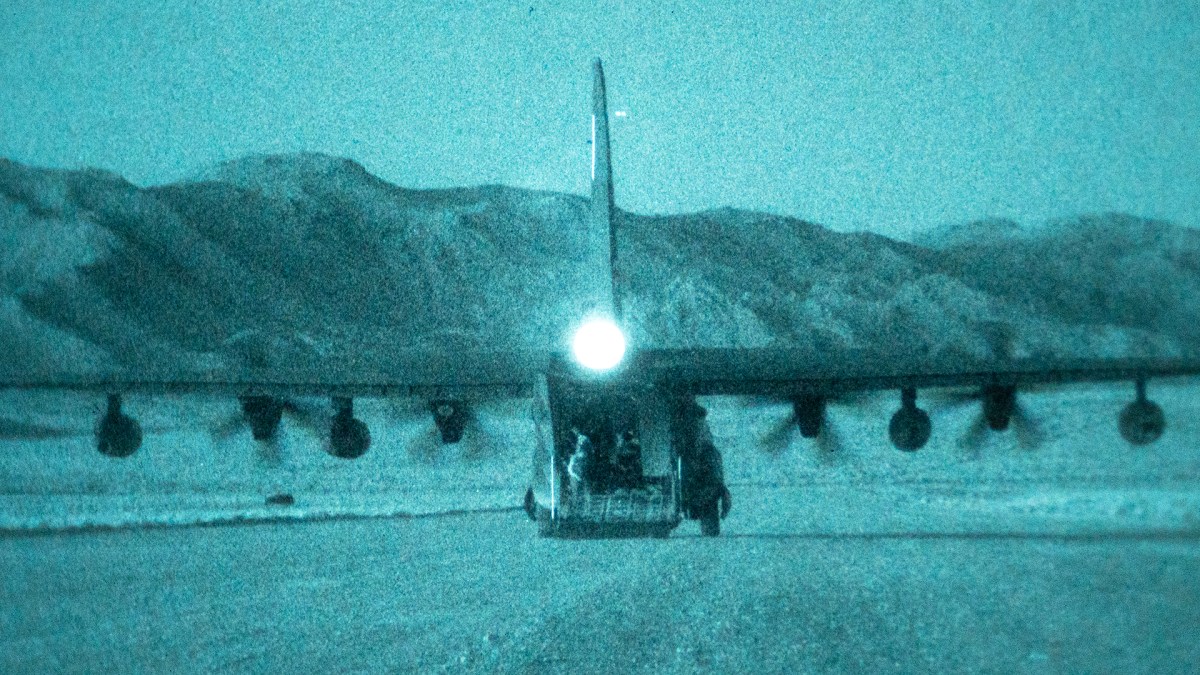
New reporting on the recovery of the two crew members from a downed U.S. Air Force F-15E Strike Eagle in Iran has filled in the scale and danger of the operation. According to the account, the aircraft was shot down on April 3 during Operation Epic Fury, triggering what became a complex combat search and rescue effort involving hundreds of troops, scores of aircraft, and diversion operations across more than half a dozen areas inside Iran.
The newly described details underscore a central truth about recovering isolated personnel in hostile territory: once an aircraft goes down, the rescue mission can become as strategically consequential as the sortie that preceded it. Every hour compounds risk. Every movement creates additional exposure. And every attempt to retrieve survivors can pull more forces into contested airspace and terrain.
The human reality behind the operation
The most striking part of the account is the condition of the weapon systems officer, identified as DUDE44 Bravo. After ejecting, he was reportedly injured, bleeding, and forced to climb rocky terrain to evade capture before hiding in a crevice while both U.S. rescuers and Iranian forces searched for him. That detail strips away any abstraction about “personnel recovery.” This was not just a coordinated military evolution. It was a time-sensitive attempt to find and extract a wounded airman before the enemy did.
The recovery of the WSO reportedly came on Easter Sunday, roughly 50 hours after the aircraft was shot down. That time span matters. It signals both the endurance demanded of the isolated airman and the difficulty of locating and extracting personnel under hostile conditions. Surviving ejection is only the first step. Staying alive and hidden until recovery can be the harder test.
Why the scale matters
The account makes clear that this was not a small, discreet pickup. It drew in substantial assets and required accepting risk to many additional personnel. That is always the trade in high-end personnel recovery. Commanders are not only deciding whether the isolated individuals can be saved. They are deciding how much force to expose, how widely to distribute the operation, and how to create enough confusion or pressure to open a recovery window.
Diversionary actions across multiple parts of Iran suggest an effort to fragment enemy attention and complicate the search picture. In practical terms, that means rescue in contested territory is rarely about the rescue package alone. It becomes an integrated campaign of deception, air support, timing, and command-and-control discipline.
The strategic message
There is also a clear strategic dimension to such operations. Recovering downed aircrew is not only a humanitarian or morale imperative, though it is certainly both. It is also a statement about military commitment and credibility. Air forces ask crews to operate in dangerous environments with the understanding that every realistic effort will be made to bring them home. That expectation affects morale, mission willingness, and institutional trust.
At the same time, the reporting notes that the public account largely reflects the government’s narrative and should be treated as such. That is an important caveat. Early descriptions of sensitive military operations often emphasize coherence and success while leaving unresolved details, contradictions, or losses for later reporting. Still, even with that caution, the broad contours are enough to show how demanding the recovery was.
What this says about modern combat rescue
Combat search and rescue is sometimes imagined as a specialized niche. In reality, it is a stress test of the wider force. It demands intelligence collection, communications resilience, air superiority or at least localized control, suppression capacity, medical readiness, and exceptional coordination. When the isolated personnel are behind enemy lines in a country like Iran, the difficulty escalates sharply.
That is what makes the F-15E rescue notable beyond its immediate drama. It illustrates that personnel recovery in a sophisticated threat environment is no longer a tactical side story. It can require theater-level orchestration and can expose rescuers, supporting aircraft, and decision-makers to major risk. It also shows why downed-aircrew scenarios remain central to planning even in an era of long-range weapons and networked warfare.
The larger lesson
The story of DUDE44 Alpha and Bravo is partly about aircrew survival and partly about institutional resolve. But it is also about the hidden cost of air operations over defended territory. One aircraft loss can trigger a second campaign whose purpose is not to strike, deter, or signal, but simply to recover people before the adversary does.
- The F-15E was reportedly shot down in Iran on April 3 during Operation Epic Fury.
- The rescue effort involved hundreds of troops, numerous aircraft, and diversionary actions.
- The WSO was recovered about 50 hours after the shootdown after evading capture while injured.
- The operation highlights how dangerous and resource-intensive modern personnel recovery can be.
That is the core lesson from the new details. Bringing down an aircraft is one event. Recovering its crew can become an even harder one.
This article is based on reporting by twz.com. Read the original article.
Originally published on twz.com