A Stealth Fighter Without Its Primary Sensor
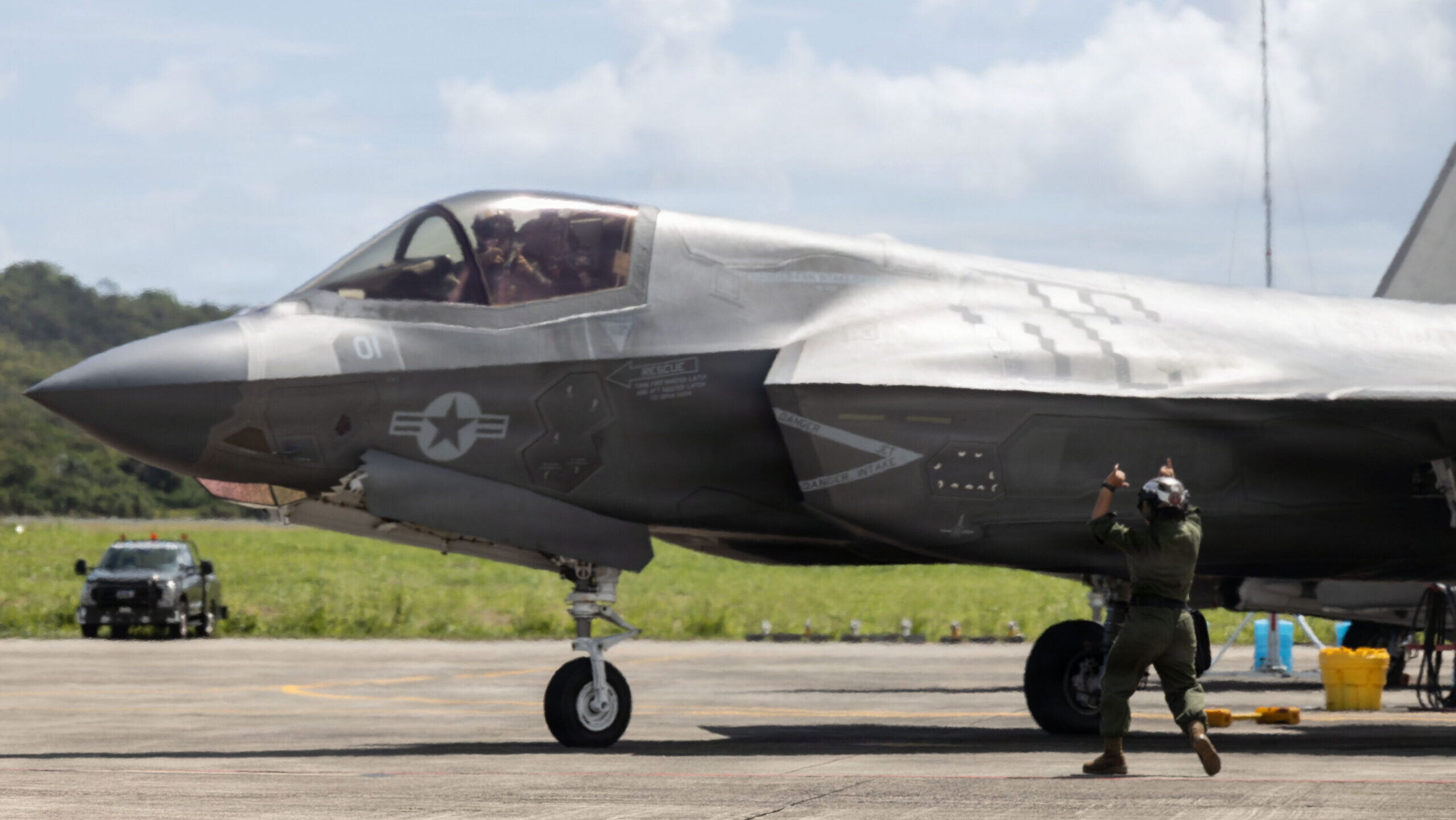
The F-35 Joint Strike Fighter program has been defined throughout its history by deferred capabilities — systems too complex or technically immature to be delivered on schedule, but whose absence makes the aircraft less capable than designed. The latest and perhaps most consequential deferral is the APG-85 active electronically scanned array radar, which was intended to replace the APG-81 currently flying in all F-35 variants.
According to sources familiar with the program, the US military is preparing to accept new F-35 aircraft deliveries without the APG-85 installed, continuing a practice that creates a growing fleet of aircraft requiring expensive retrofits to reach full operational capability.
Representative Rob Wittman, a senior member of the House Armed Services Committee, told Breaking Defense he expects the APG-85 issues to eventually be resolved but warned that in the interim the US military would be left with "lots of aircraft out there, but not ones that are ready to go to the fight."
What the APG-85 Was Supposed to Deliver
The APG-85 is a central component of the F-35's Block 4 upgrade package, the collection of hardware and software improvements the Pentagon has been pursuing to keep the Joint Strike Fighter competitive through its projected 2040s service life. While the existing APG-81 is a capable radar, the APG-85 was designed with substantially enhanced processing power, improved resistance to electronic jamming, and better performance against small radar cross-section targets — capabilities increasingly relevant as adversaries field more sophisticated aircraft and electronic warfare systems.
The radar also supports enhanced sensor fusion, allowing the aircraft's distributed aperture system, electronic warfare suite, and radar to share processing resources and create a more integrated battlespace picture. Absent the APG-85, the Block 4 software upgrades deliver only a fraction of their intended capability improvement.
Fleet Readiness Implications
The practical consequence of accepting aircraft without the APG-85 is a growing backlog of jets requiring modification center time — essentially taking finished aircraft out of service, flying them to modification facilities, and installing hardware that should have been installed during initial production. This process is expensive, time-consuming, and reduces available aircraft during the modification period.
The US Marine Corps' F-35B short-takeoff, vertical-landing variant is particularly dependent on full Block 4 capability for its planned role in contested maritime environments. Accepting aircraft without the APG-85 means the Marine Corps is building a fleet that will not reach its designed capability for years after delivery.
For Congress, the APG-85 delay is the latest entry in a long accounting of F-35 program management challenges. The aircraft has delivered genuine revolutionary capability in stealth, sensor fusion, and networked operations, but the program's cost and schedule history continues to generate scrutiny and calls for acquisition reform that would impose more rigorous performance gates before continued production is authorized.
This article is based on reporting by Breaking Defense. Read the original article.
Originally published on breakingdefense.com