First Laser Shoot-Down Over U.S. Soil
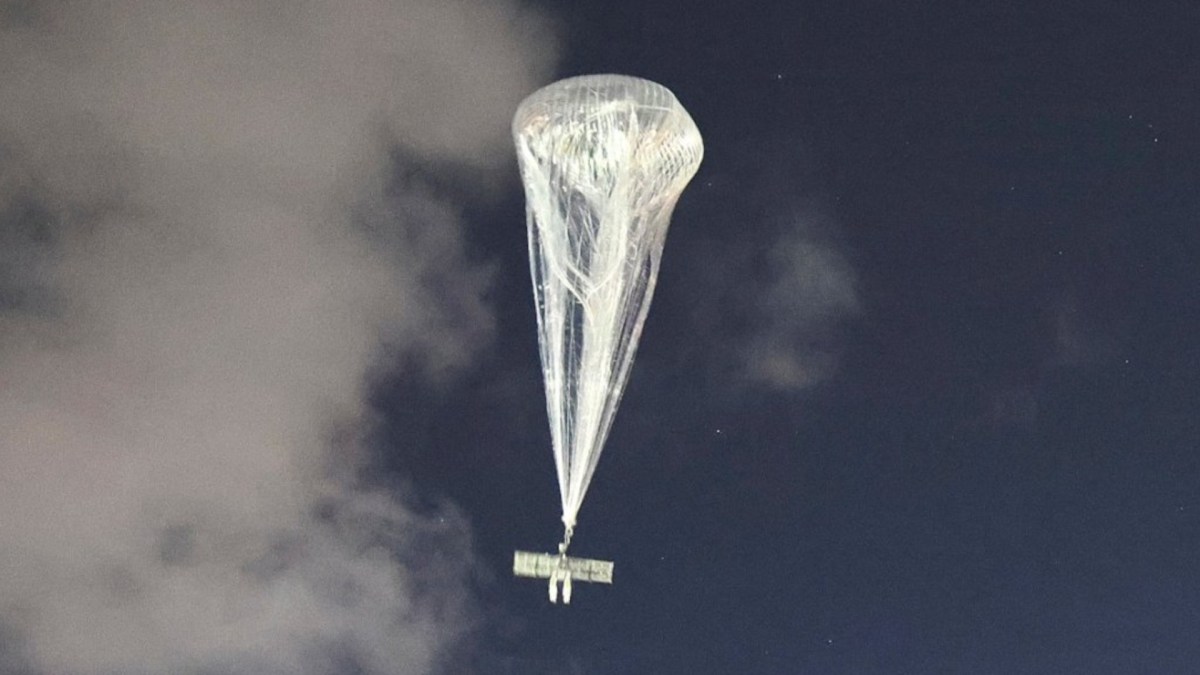
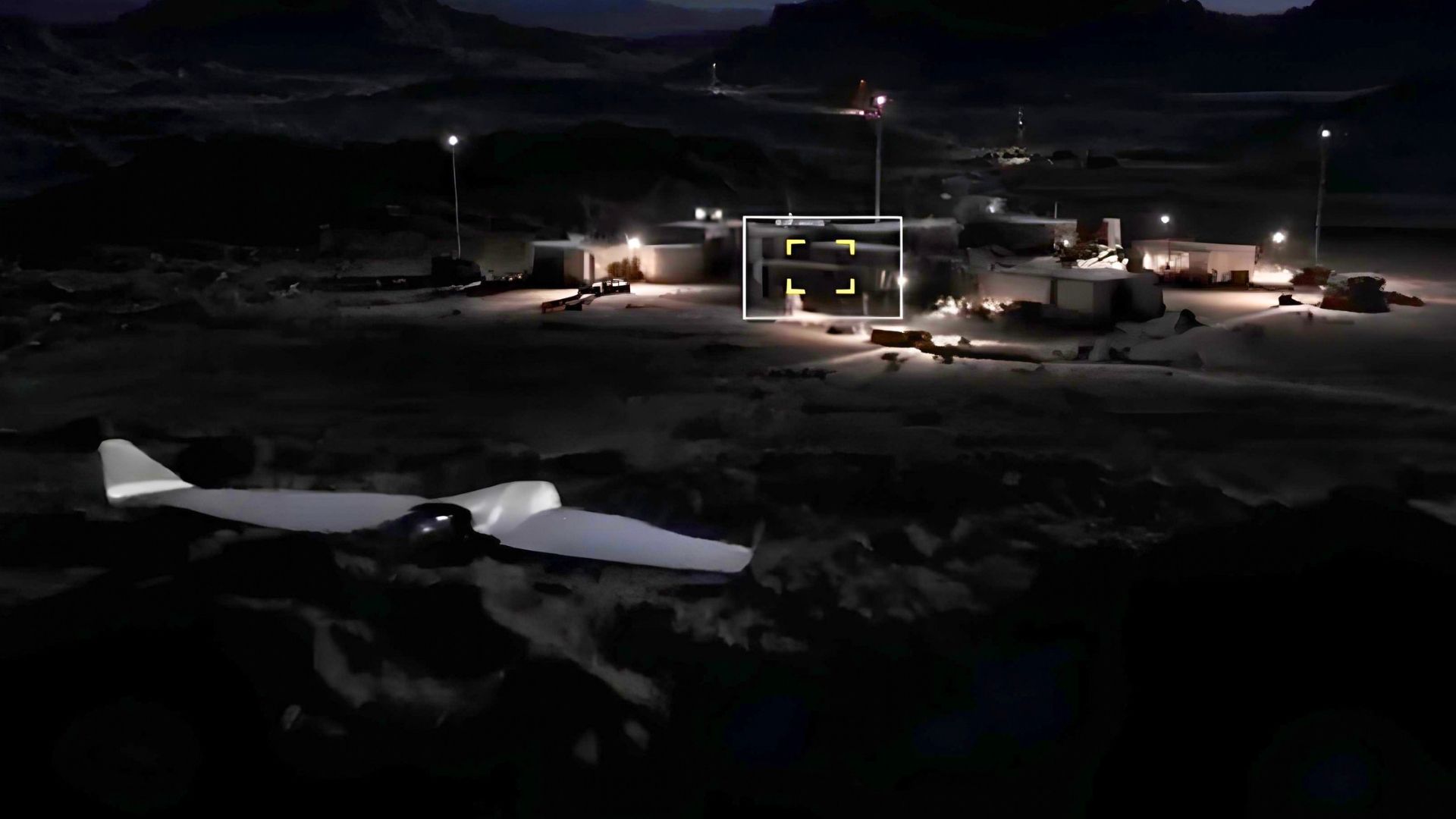
When Customs and Border Protection fired an AeroVironment LOCUST laser counter-drone weapon over El Paso, Texas, in February 2026, it triggered an FAA airspace closure over the nation's 23rd largest city and exposed deep policy fractures in America's approach to domestic drone defense. The incident marked the first publicly known use of a directed energy weapon to engage a target over U.S. soil in an operational setting, though the object turned out to be a Mylar balloon rather than a cartel drone as initially suspected.
The episode forced the FAA to conduct a safety assessment and prompted the agency to warn the Pentagon that further airspace closures would follow if regulators were not given adequate review time before such weapons are deployed. For a country that has spent years deferring serious action on the domestic drone threat, the El Paso incident was a jarring wake-up call.
A Patchwork of Authorities
The legal framework governing who can shoot down drones over American territory remains fragmented and confusing. Section 124n of federal law grants DHS and the Department of Justice limited authority to counter drones near covered facilities, while Section 130(i) allows the Department of Defense to mitigate threats at military installations but does not extend to general domestic airspace. The Safer Skies Act, passed as part of the FY 2026 National Defense Authorization Act, expanded authorities to certified state, local, and tribal agencies, but as aviation policy expert Scott Shtofman noted, "it's not a blanket nationwide shoot down power and only applies in defined threat situations."
The El Paso incident illustrated these jurisdictional tangles in real time. NORTHCOM controls military equipment and personnel but faces strict limits on domestic deployments. CBP's involvement was necessary precisely because the military cannot conduct general airspace policing within U.S. borders. The laser system itself was Army-owned equipment on loan to CBP, adding another layer of interagency complexity.
Safety Concerns With Directed Energy
NORTHCOM Deputy Test Director Jason Mayes has raised critical questions about the safety implications of firing laser weapons in populated areas, noting that "the biggest thing right now is the impact of the laser when it moves beyond its target" and questioning effects on aircraft, satellites, and ground personnel. A December 2025 directive signed by the Secretary of Defense removed previous "fence-line" restrictions on counter-drone operations and expanded installation commander authority, but the rules for urban environments remain unsettled.
Looking Ahead
The FY 2026 NDAA includes a pilot program authorizing testing at four or more military installations using laser, high-powered microwave, and similar counter-drone systems. Major events including the 2026 World Cup and 2028 Olympics are serving as catalysts for expanded counter-drone authorities. Until a coherent national framework catches up with the technology, incidents like the El Paso airspace closure will likely recur as agencies improvise responses to a threat that is no longer theoretical.
This article is based on reporting by The War Zone. Read the original article.
Originally published on twz.com