U.S. bases in the Middle East face a new infrastructure test
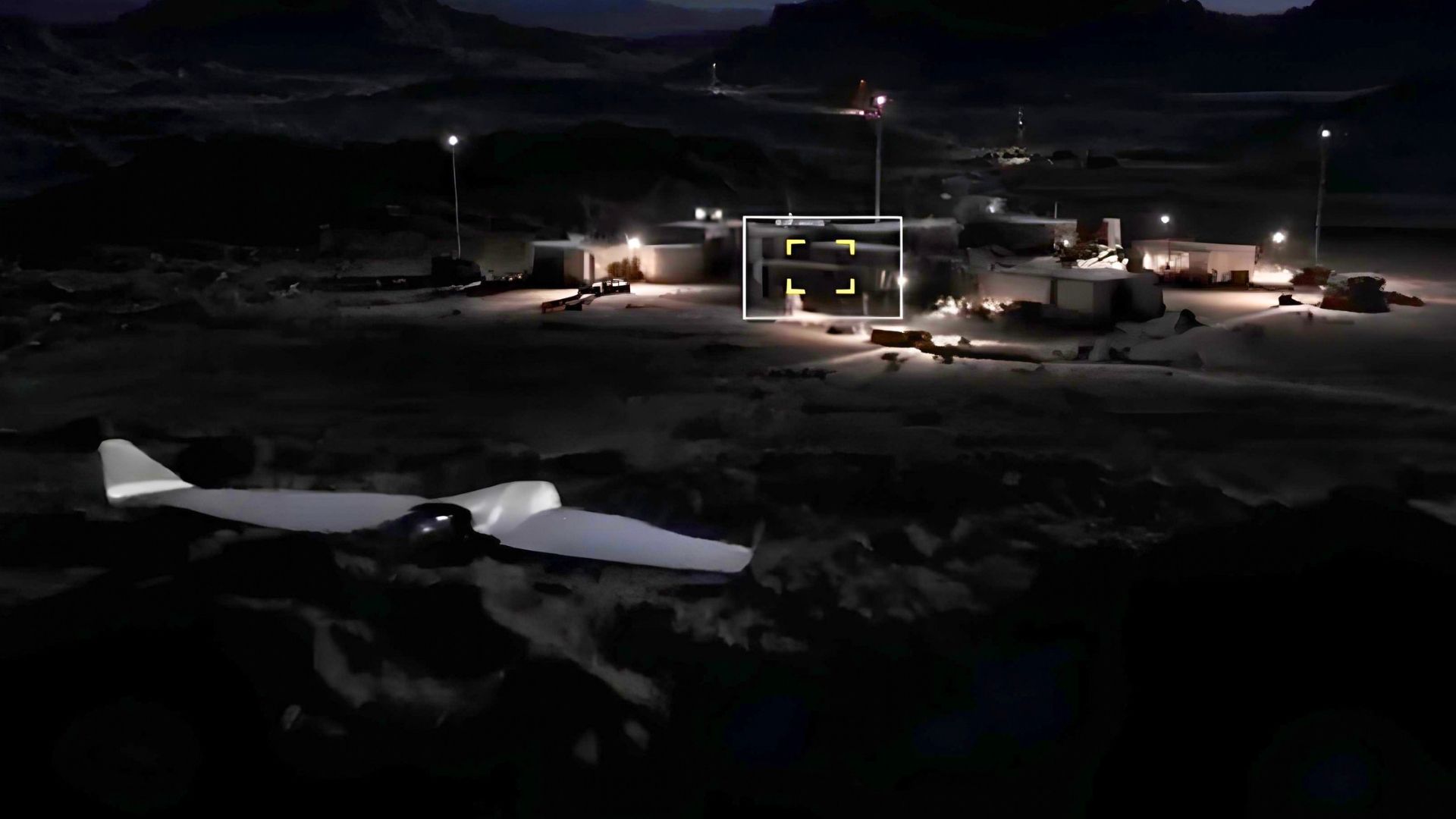
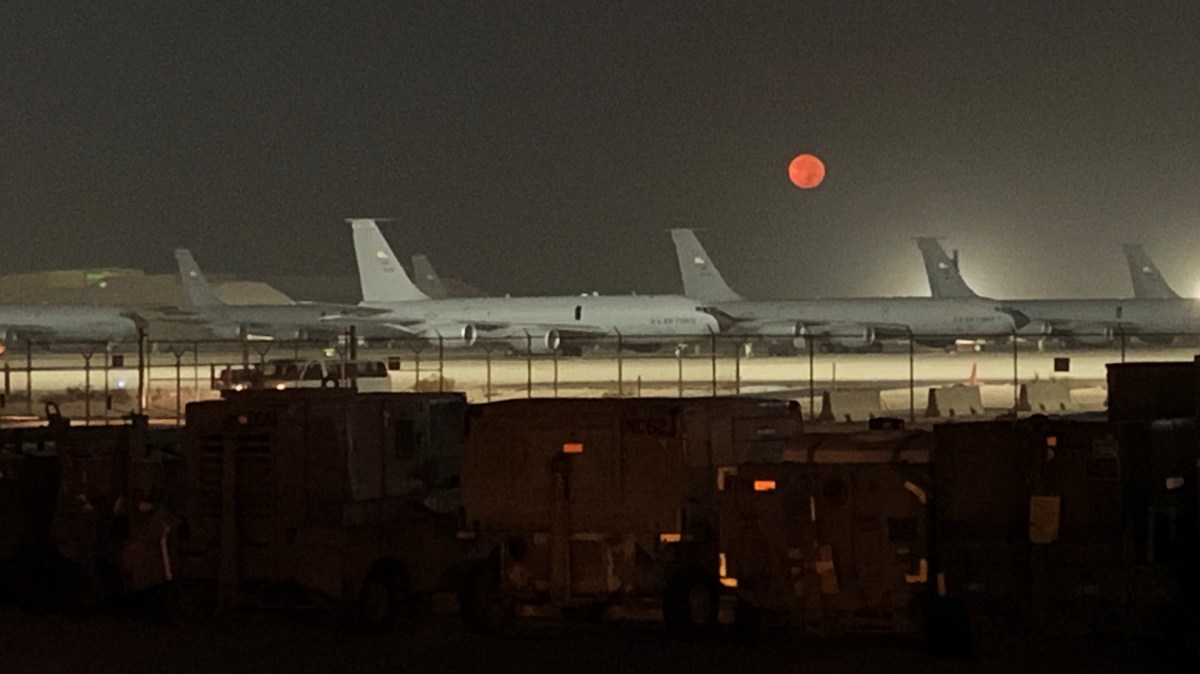
U.S. Central Command is moving to harden one of its most important regional hubs after a sustained wave of Iranian missile and drone attacks exposed how vulnerable many American facilities remain. According to a new call for information highlighted this week, CENTCOM and subordinate units are seeking companies that can design and provide hardened infrastructure, including underground facilities and shelters, for Al Udeid Air Base in Qatar.
The request is notable not simply because it seeks more construction, but because it reflects a wider operational shift. For years, debates about force protection in the region often focused on interceptors, warning systems, and dispersal. The new solicitation points to something more basic and more difficult to improvise under fire: durable physical protection for people, aircraft, and mission systems.
The War Zone reported that the need follows repeated attacks on U.S. facilities in the Middle East. Since the launch of Operation Epic Fury on Feb. 28, 13 U.S. troops have been killed, more than 300 have been wounded, and facilities and equipment including radar systems and aircraft have been destroyed or damaged. In that context, hardened infrastructure is no longer a theoretical investment or a long-range planning exercise. It is becoming an urgent operational requirement.
Why Al Udeid matters
Al Udeid Air Base is a central node for American operations in the region. When a base of that significance becomes a target, the consequences run beyond the damage from any single strike. The base supports command, logistics, aviation activity, and regional coordination. Even limited disruptions can ripple outward across multiple missions.
The current interest in underground facilities suggests planners are looking for ways to preserve continuity under attack rather than relying only on warning and recovery after impact. Shelters and subterranean infrastructure can reduce exposure, protect sensitive equipment, and allow some operations to continue even when the threat environment remains active.
The report says CENTCOM issued two separate requests this week. One is framed as a long-term, seven-year project. The other is aimed at more immediate protection. That two-track approach is important. It suggests the command is trying to solve both the near-term problem of keeping people and assets safer now and the longer-term challenge of redesigning its posture for a region where missile and drone attacks have become a persistent feature rather than an episodic risk.
Force protection is no longer abstract
The human toll described in the report gives the story its urgency. Beyond the fatalities and injuries, the attacks have reportedly been intense enough to force many American troops to relocate into hotels and office spaces throughout the region. That detail underlines how stretched existing protective infrastructure appears to be. When personnel are pushed out of established military facilities and into improvised alternatives, the issue is not just survivability at the point of impact. It is the broader ability to sustain operations while maintaining security, readiness, and morale.
The request also reinforces a point military analysts have raised for years: aircraft shelters, hardened hangars, and buried facilities are expensive and slow to build, but they can become indispensable once an adversary demonstrates the ability and willingness to strike repeatedly. Missile defense can reduce risk, but it cannot guarantee that every incoming weapon will be intercepted. Physical hardening adds another layer.
That matters especially in an era of lower-cost drones and massed attacks. A force can absorb some damage from a single raid and recover. It is much harder to do so when repeated attacks force commanders to assume that runways, radars, parked aircraft, and support buildings may be threatened again and again.
A sign of broader adaptation
The move at Al Udeid is also a signal about how the U.S. military may be adapting across the region. The immediate focus is on one base, but the underlying lesson is wider. If key hubs are vulnerable, commanders may need a mix of dispersal, deception, active defenses, and hardened construction to make their posture more resilient.
The War Zone noted that hardened shelter requirements have been a subject of concern for years, particularly for aircraft. What has changed is the intensity of recent combat conditions and the cost of deferring those investments. A damaged radar, destroyed aircraft, or displaced unit can impose strategic costs far beyond the price of reinforced infrastructure that might have reduced the impact.
The current requests do not mean new underground complexes will appear overnight. Designing, funding, and building hardened facilities takes time, especially on active bases with ongoing mission demands. Yet the act of seeking industry responses is meaningful in itself. It shows the command is trying to translate battlefield lessons into procurement and construction decisions while the threat remains active.
That is often how military posture changes in practice: not through a single headline announcement, but through a series of contracting moves, site upgrades, and architecture choices that gradually reshape what a base can withstand.
What to watch next
The immediate question is whether CENTCOM moves quickly from requests for information to concrete contracts for shelters, hardened aircraft protection, and subterranean spaces. The longer-term question is whether Al Udeid becomes a template for a broader regional hardening effort.
If recent attacks continue to drive U.S. forces into temporary workarounds, the pressure to invest in more durable protection will only increase. The latest requests suggest that CENTCOM no longer sees hardened infrastructure as optional insurance. It is starting to look like core mission equipment.
For now, the message is straightforward. Repeated Iranian strikes have exposed a gap between the importance of U.S. regional bases and the protection many of them currently possess. The Pentagon appears to be responding by looking below ground, where survivability, continuity, and deterrence can be built into the architecture itself.
This article is based on reporting by twz.com. Read the original article.
Originally published on twz.com