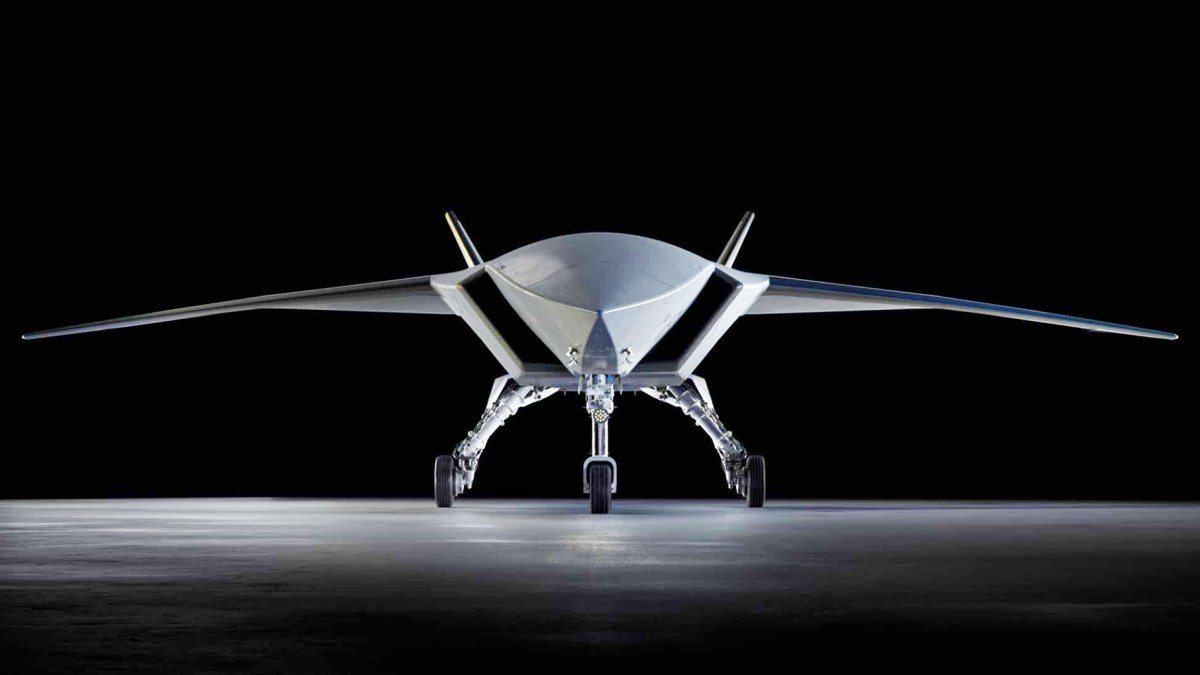
Boeing's MQ-28 Ghost Bat Block 3: A New Era for Collaborative Combat Aircraft
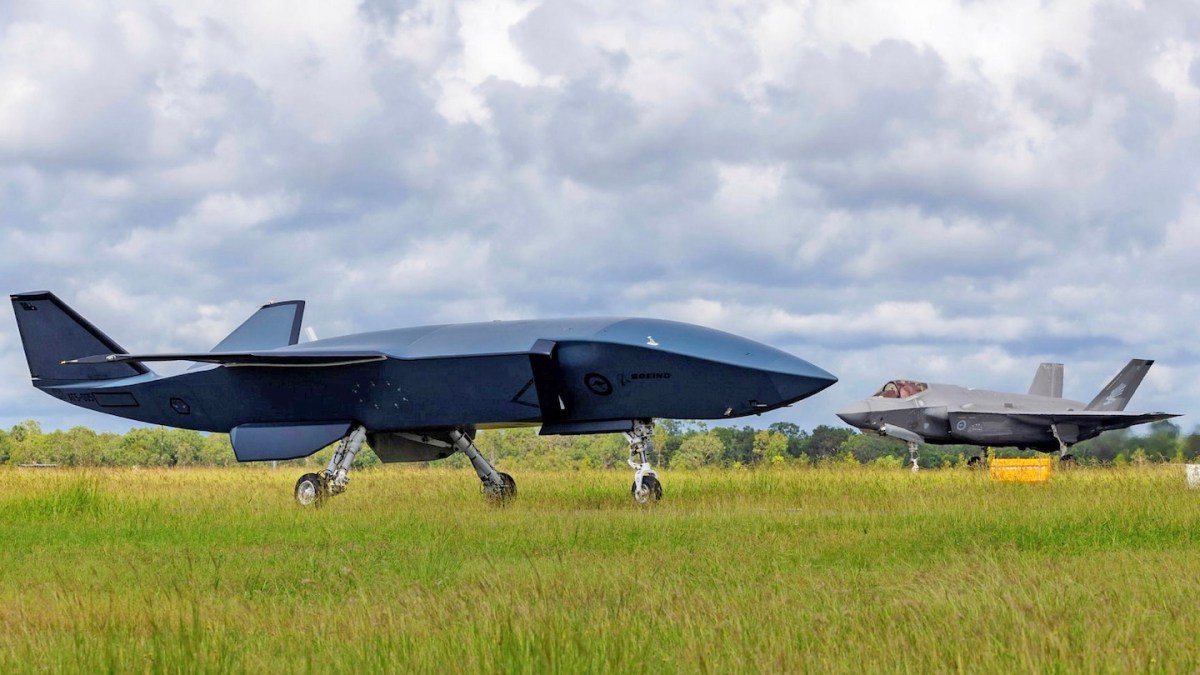
Boeing has officially unveiled the latest iteration of its MQ-28 Ghost Bat collaborative combat aircraft (CCA) at the ILA Berlin airshow, marking a significant leap in unmanned aerial combat capabilities. The Block 3 variant, developed in partnership with Germany's Rheinmetall, introduces a host of enhancements designed to meet the evolving demands of modern air warfare. Among the most notable upgrades are a larger wing, increased thrust, and internal weapons bays that allow the drone to carry AIM-120 AMRAAMs without compromising its low-observable profile.
Key Enhancements of the Block 3 Variant
The MQ-28 Ghost Bat Block 3 boasts a wing that is 25 percent larger than its predecessors, providing improved lift and endurance. This is complemented by a thrust increase from 10,000 pounds to 12,000 pounds, though Boeing has not specified the exact means of achieving this power boost. The combination of greater wing area and enhanced thrust translates into increased fuel and payload capacity, extending the drone's operational range and mission flexibility.
Perhaps the most critical upgrade is the integration of internal weapons stations. Unlike earlier versions that relied on external stores, the Block 3 can house munitions such as the AIM-120 AMRAAM internally. This design choice preserves the aircraft's stealth characteristics, a vital attribute for penetrating contested airspace. The internal bays also allow for greater mission configurability, enabling the drone to adapt to various combat scenarios without sacrificing survivability.
From Prototype to Operational Capability
The Ghost Bat program has matured rapidly since its inception. The earlier Block 1 and Block 2 variants have already completed over 150 test sorties in Australia and the United States, validating the platform's core technologies. Australia has acquired eight Block 1 MQ-28s, which serve as pre-production prototypes. The first nine Block 2 drones are currently in production and are considered a stepping stone toward full operational capability. The Block 3 represents the culmination of these efforts, delivering a combat-ready system designed for frontline service.
According to Glen Ferguson, MQ-28 Global Program Director, the Block 3 is the third iteration of the design, and Boeing is on track to build the first Block 3 aircraft next year. The drone is being offered to Germany as part of a partnership with Rheinmetall, with an eye on the lucrative European CCA market. The unveiling at ILA Berlin underscores Boeing's commitment to expanding the Ghost Bat's international footprint.
Strategic Implications for Air Combat
The MQ-28 Ghost Bat is designed to operate alongside manned fighters, acting as a force multiplier in contested environments. Its ability to carry AIM-120 AMRAAMs internally enhances its lethality while maintaining a low radar cross-section. This makes the drone an ideal platform for air-to-air combat, suppression of enemy air defenses, and intelligence, surveillance, and reconnaissance missions. The larger wing and increased power also enable longer loiter times and the carriage of heavier payloads, further broadening its utility.
For Germany and other potential European customers, the Ghost Bat offers a path to rapidly field advanced unmanned combat capabilities without the lengthy development timelines associated with new manned aircraft. The partnership with Rheinmetall ensures local industrial participation and support, aligning with European defense procurement preferences.
Conclusion
Boeing's MQ-28 Ghost Bat Block 3 represents a significant step forward in collaborative combat aircraft technology. With its enhanced performance, internal weapons bays, and proven test record, the drone is poised to become a key asset for air forces seeking to integrate unmanned systems into their combat fleets. As production ramps up and international interest grows, the Ghost Bat is set to redefine the role of drones in modern warfare.
This article is based on reporting by twz.com. Read the original article.
Originally published on twz.com