A standoff model for airborne surveillance
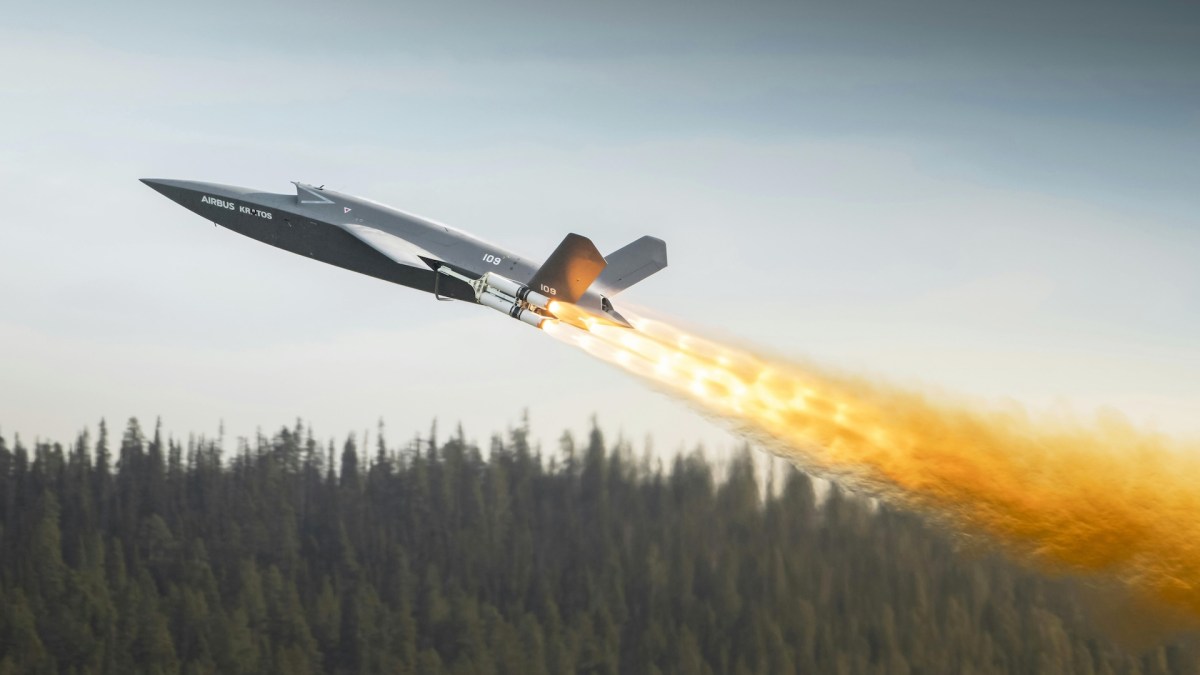
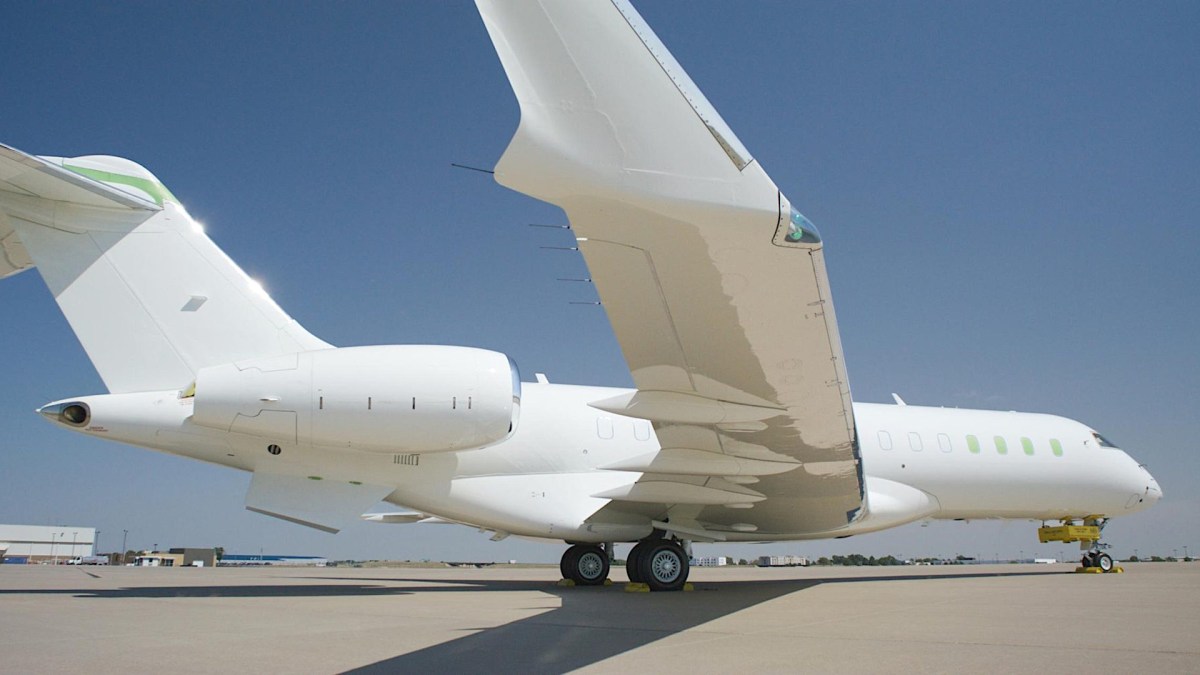
The U.S. Army is outlining a clearer concept for how its future ME-11B HADES surveillance aircraft will operate in high-threat environments. According to the supplied source text, Army officials say the Bombardier Global 6500-based aircraft will be able to launch extremely long-range drones, potentially with ranges of about 620 miles, or 1,000 kilometers, or more.
The rationale is direct. Rather than flying the crewed aircraft close to enemy air defenses, the Army wants the ME-11B to stay farther back while using launched uncrewed systems to push sensing deeper into contested territory. In effect, the drone becomes the forward scout while the jet remains the mothership and data node.
That is a meaningful operational shift. It suggests the Army is not trying to solve the penetrating-intelligence problem solely by buying a stealthier or more expensive aircraft. Instead, it is combining a business-jet-derived ISR platform with long-range expendable or recoverable uncrewed reach.
What officials are saying
The strongest quote in the supplied text comes from Andrew Evans, Director of Strategy and Transformation with the Office of the Deputy Chief of Staff of the Army, G-2. He said that with the combined range of HADES and what can be launched from it, “there will be nothing in the world that we can’t touch” from a sensing perspective.
That statement should be understood as strategic intent rather than a demonstrated capability. Still, it captures what the Army appears to be building toward: a sensing architecture that can operate at long range without requiring the primary aircraft to accept the highest exposure.
The timing is also notable. The source says flight testing of the first ME-11B prototype is slated to begin in summer 2026, with formal delivery expected before the end of the year. Two more prototypes are already in various stages of conversion.
Why HADES matters
HADES, short for High Accuracy Detection and Exploitation System, is the Army’s effort to build a more capable fixed-wing intelligence, surveillance, and reconnaissance platform as part of its broader Multi-Domain Sensing System ambitions. The service selected Sierra Nevada Corporation’s Global 6500-based bid in 2024.
The aircraft is expected to carry an onboard suite of sensors and a strong communications package. That matters because modern ISR platforms are valuable not only for what they see, but for how quickly they can move information across the force. If the aircraft can launch long-range drones while also serving as a relay and processing node, it becomes more than a passive collector. It becomes part of a distributed sensing chain.
The source text frames this as a way to gain a penetrating aerial intelligence capability without demanding a “very stealthy or otherwise highly exquisite and costly aircraft.” That may be one of the most important takeaways. The Army appears to be favoring an architecture that spreads risk and capability across crewed and uncrewed elements rather than concentrating everything in one exquisite platform.
The operational logic
This concept aligns with broader military trends. Air defenses have become more capable, longer ranged, and more networked. A traditional ISR aircraft, even one with substantial sensors, faces growing danger if it must close in to gather useful data. Launching drones from a safer standoff position offers a way around that problem.
It also expands flexibility. Different drones could potentially carry different sensing payloads, stay aloft in different patterns, or be sent into areas where commanders would not want to risk the parent aircraft. The supplied source does not detail payloads or drone types, but the operational promise is clear: more reach, more persistence, and more survivability.
There is an economic logic as well. Converting a business jet and extending its value with launched uncrewed systems could be more scalable than pursuing a fleet built around stealth alone. That does not make it simple or cheap, but it does suggest a more modular path to capability growth.
What comes next
The ME-11B program is still moving from concept toward operational reality. Summer flight testing and late-year delivery of the first prototype will be key milestones. Just as important will be the Army’s ability to demonstrate that launched drones can integrate effectively with the aircraft’s onboard sensors, communications, and targeting workflows.
For now, the story is that the Army is showing more of its hand. The future HADES aircraft is not just a replacement surveillance jet. It is being positioned as a standoff launch and sensing platform designed to reach deep without flying directly into the highest-threat zones.
That combination of range, modularity, and survivability helps explain why air-launched drones are becoming central to the Army’s pitch. In a battlespace where getting close is increasingly dangerous, the side that can see farther without exposing its core platforms gains a clear advantage.
This article is based on reporting by twz.com. Read the original article.
Originally published on twz.com