Guard leaders want a sustained increase in fighter production
Air National Guard leaders are escalating their push for more tactical aircraft, calling on Congress to back multiyear funding for 72 to 100 new fighters annually. According to the supplied source text, adjutants general from more than 20 states signed a letter arguing that the current pace of procurement is not sufficient for a force grappling with aging fleets, long-term underinvestment, and a sharpening challenge from China.
The request is notable because it does not frame modernization as a marginal upgrade. It frames it as a minimum condition for keeping the Air Force enterprise numerically viable and operationally credible across the active, Guard, and Reserve components.
The baseline the Guard says it needs
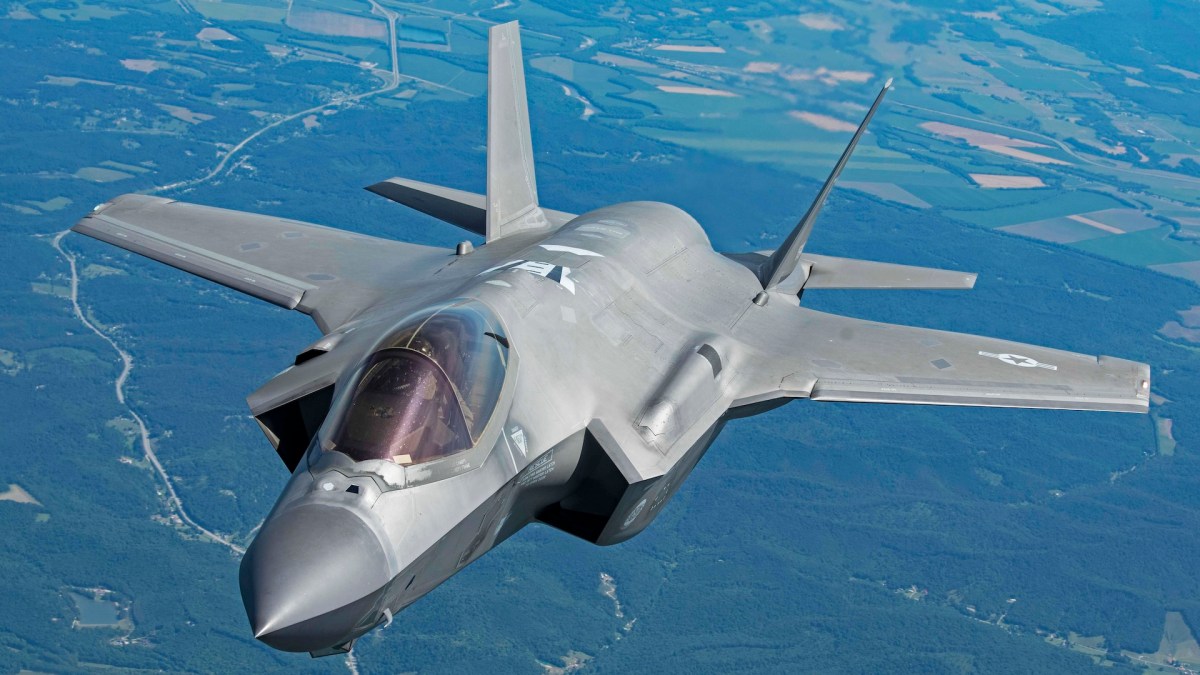
The letter cited in the source text urges annual purchases of at least 48 F-35As and 24 F-15EXs, with a preferred goal of 72 F-35As and 36 F-15EXs. Those figures would represent a meaningful jump from recent procurement levels. The report notes that the Air Force has not bought more than 72 new fighters in a single year since 1998.
That gap matters because the Air Force is trying to replace aging aircraft while also reshaping the force for future conflict. Older jets can still be upgraded, but structural age, sustainment costs, and survivability limits eventually narrow how far modernization can go. The Guard’s argument is that buying too few aircraft each year compounds those pressures instead of relieving them.
Why the Guard is raising the alarm now
The source text quotes the letter as saying the U.S. Air Force is the oldest, the smallest, and the least ready in its history. That is a stark message, but it aligns with a broader debate in Washington over whether the United States is procuring combat airpower fast enough to replace legacy fleets and deter peer adversaries.
The Guard’s intervention is especially important because it sits at the intersection of federal strategy and state-based force structure. New fighters purchased at the federal level affect not just the active-duty force, but the readiness and relevance of Guard units that can be called on for homeland defense, overseas deployments, and contingency operations.
The budget tension underneath the request
The source text compares the Guard’s preferred numbers with recent Air Force requests: 48 F-35As in fiscal 2024, 42 in 2025, 24 in 2026, and 38 in the proposed 2027 budget. Against that trajectory, the Guard’s call looks less like a fine-tuning exercise and more like a demand for a structural change in acquisition priorities.
Multiyear funding is central to that strategy. It can provide more predictable demand, improve industrial planning, and strengthen the case for larger production runs. But it also requires political durability and budget discipline at a time when defense dollars are being contested across modernization programs, munitions needs, readiness demands, and broader fiscal pressures.
The immediate takeaway is straightforward: the Air National Guard is signaling that the current fighter-buying curve is too shallow for the force it believes the country will need. Whether Congress agrees will help determine not just how many aircraft are purchased, but how quickly the broader combat air fleet can renew itself.
This article is based on reporting by twz.com. Read the original article.
Originally published on twz.com