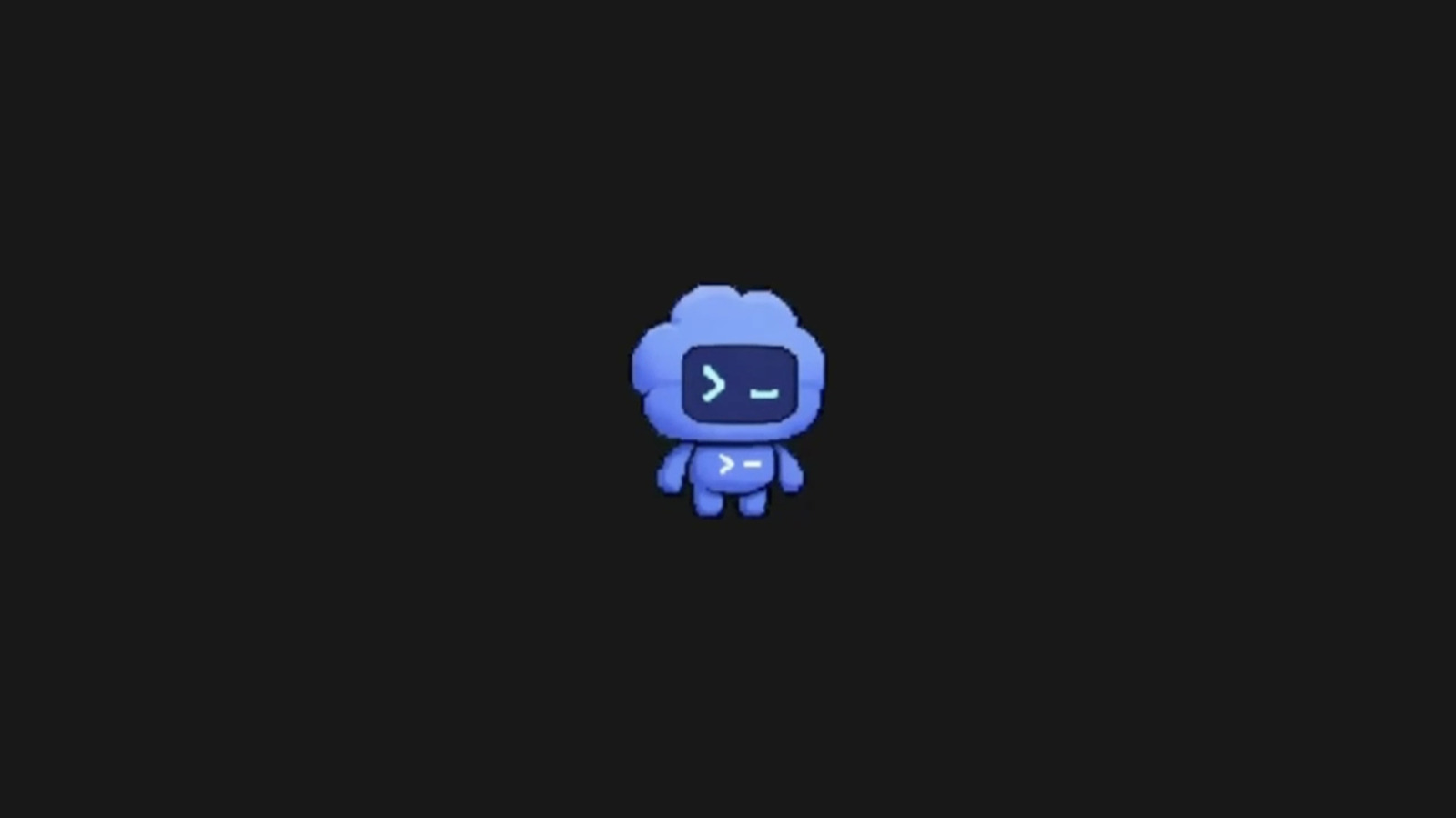
OpenAI turns agent status into a visible desktop layer

OpenAI has introduced a new interface feature for its Codex coding app: AI-generated pets that act as optional animated companions for developers while Codex is working. The company describes them as floating overlays rather than coding assistants in their own right. They do not write code or make decisions for the user. Instead, they provide a persistent, glanceable view into what Codex is doing, whether it has finished a task, and whether it needs user input to continue.

The change may sound whimsical, but it points to a serious product problem in agentic software. As coding agents become more capable, they also become easier to lose track of. Users often have to switch back into a dedicated app or thread view to see whether a job is progressing, stuck, or waiting on a response. OpenAI’s new pets are designed to reduce that friction by keeping a status layer visible on top of the user’s existing workflow.

A companion that reports, not one that codes

According to the supplied source text, the new pets can tell users what Codex is working on, notify them when a task is complete, and flag moments when the agent needs guidance. That makes the feature less of a novelty than a lightweight operations panel with personality attached. The key shift is that Codex’s active thread can now be monitored without requiring users to abandon the application they are currently using.

That distinction matters. A large share of the usability challenge in AI coding tools is not just model quality but workflow interruption. Developers may tolerate waiting for an agent to compile, refactor, or inspect a codebase, but they are less tolerant of constantly babysitting a separate interface. By treating status visibility as an always-available overlay, OpenAI is effectively experimenting with a new desktop metaphor for human-agent collaboration.

The pets are optional, which is equally important. Developers who prefer a quieter environment can dismiss them, while users who want more ambient feedback can keep them present. In that sense, OpenAI appears to be testing how much interface personality professionals will accept when the tradeoff is faster awareness of task state.

How the feature works

Users can type /pet in the Codex app to summon or dismiss a companion. OpenAI is shipping eight built-in pets, while also letting users generate their own through the /hatch command. The source text notes that early adopters have already uploaded custom companions, including versions inspired by Microsoft’s Clippy.

That detail reveals another layer of the launch: customization is not just aesthetic but social. Once users begin making and sharing their own companions, the feature can become part of Codex’s culture, not merely one more utility setting. OpenAI is also sweetening that behavior by offering 30 days of ChatGPT Pro for 10 favorite generated companions for a limited time, giving users a direct incentive to participate in the experiment.

The pets are already available on both Windows and macOS versions of Codex, suggesting OpenAI is treating the feature as broadly ready rather than as a narrow test on one platform.

Why this matters for coding tools

The deeper significance of the release is that AI coding products are entering a phase where interface design matters as much as raw model performance. Early coding assistants were embedded in editors and responded on demand. Newer agentic tools can run multistep tasks over longer periods, which creates a need for better presence, status reporting, and interruption handling. A floating companion is one answer to that problem.

OpenAI’s move also suggests that developers may be more willing to accept playful interface elements when those elements solve a real attention-management problem. The comparison to Clippy is obvious, but the practical goal is different. Clippy tried to anticipate user intent. Codex’s pets, based on the supplied text, are there to expose the current state of an already-running agent.

If that framing works, the launch could influence how other AI productivity tools present background work. The next generation of assistants may need clearer ways to indicate progress, confidence, and dependency on user decisions. An animated companion is only one implementation, but the design principle is broader: long-running AI systems need a visible, low-friction way to stay in conversation with the person supervising them.

The bigger product signal

There is also a branding dimension here. By allowing users to generate their own companions with AI, OpenAI is binding creative output to product identity. The company is turning a utility feature into a customizable layer that users can shape themselves. That could increase attachment to the tool while also creating a new surface for community participation.

Whether the idea becomes a durable interface pattern will depend on execution. If the companions remain lightweight, informative, and easy to dismiss, they may solve a genuine workflow problem. If they become distracting, they risk being remembered as a novelty. For now, the launch is notable because it shows OpenAI trying to make coding agents feel less like black boxes and more like visible collaborators operating in the corner of the screen.

That is a small change in form, but potentially a meaningful one in function. As AI tools spend more time working autonomously, the question is no longer only what they can do. It is how clearly they can show users what they are doing while they do it.

This article is based on reporting by Engadget. Read the original article.

Originally published on engadget.com