Tesla’s message is getting clearer
Tesla is increasingly presenting itself as more than an electric-vehicle company. In the candidate details for a report from The Robot Report, the company is described as beginning Optimus production in the second quarter of 2026, replacing Fremont’s legacy car lines and breaking ground in Texas as it scales toward what is characterized as a robotics-first future. The title adds an even more striking signal: Tesla is targeting 10 million Optimus units with a new Texas plant.
Even by Tesla standards, that is an unusually expansive statement of intent. A target at that scale is not a simple pilot program. It is a claim that humanoid robots could become a central industrial product line rather than an experimental side project. Combined with new factory plans and references to shifting production priorities, the message is that Tesla wants investors and the wider market to read robotics as core to its next phase.
Why the factory language matters
The manufacturing details are important because they move Optimus from concept branding toward industrial positioning. Companies frequently showcase robotic prototypes. Far fewer start discussing dedicated production schedules, plant construction and the repurposing of existing lines. Those are the kinds of signals markets use to distinguish ambition from operational commitment.
If Tesla is in fact moving legacy Fremont capacity away from older vehicle lines to support Optimus-related work, that would suggest a meaningful internal reallocation of resources. It would also reinforce the idea that the company sees its future growth as coming from a broader automation platform, not just from selling cars.
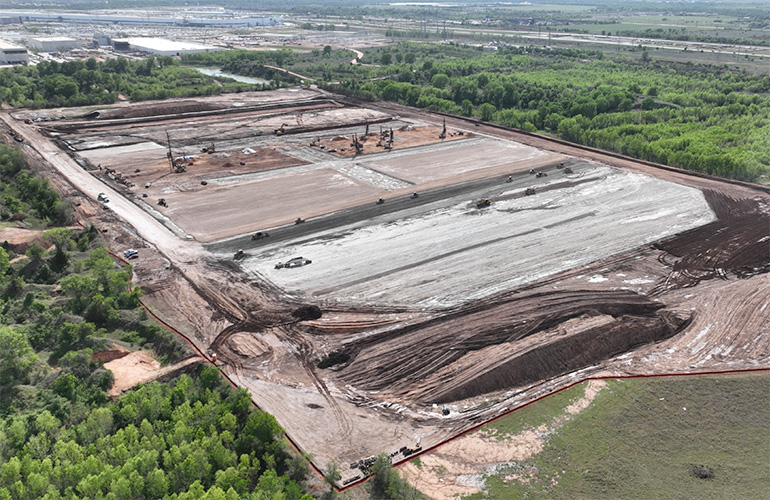
The proposed Texas expansion fits that same logic. Texas has already become one of Tesla’s most symbolically important manufacturing locations. Using it as the base for large-scale humanoid robot production would let the company tie its robotics narrative to a physical site associated with speed, scale and domestic industrial buildout.
The scale of the claim
The 10 million-unit target is the part most likely to attract both attention and skepticism. It is a vast number in any hardware category, let alone one involving bipedal or semi-humanoid machines operating in real environments. Reaching anything close to that figure would require breakthroughs not just in manufacturing, but in cost reduction, reliability, deployment safety, software capability and use-case clarity.
That does not mean the goal is meaningless. Ambitious numerical targets often function as strategic signaling. They tell suppliers, labor markets, investors and competitors what kind of ecosystem a company wants to build. In Tesla’s case, the number also places Optimus inside the same scale rhetoric the company has used for vehicles, batteries and energy products.
The risk, however, is obvious. Robotics has a long history of promising more than it delivers on commercial timelines. A giant target can energize attention, but it can also magnify scrutiny if real-world deployment remains narrow or slow.
Why humanoid robotics is suddenly central
The broader significance of Tesla’s push lies in what it says about the AI-robotics sector. Humanoid systems have become one of the most watched frontiers in automation because they promise to operate in spaces already designed for humans. In theory, that means they could be slotted into factories, warehouses and service environments without requiring an entirely new physical infrastructure.
For Tesla, the appeal is even stronger. The company already markets itself around AI, computer vision, manufacturing and real-world autonomy. Optimus lets it connect those themes into a single object that is easy to imagine, easy to demonstrate and easy to scale rhetorically. A robot is also a more dramatic symbol of embodied AI than software features or driver-assistance updates.
The danger is that symbolism can outrun substance. Investors will eventually want evidence not just of prototypes and production starts, but of repeatable tasks, customer demand and sustainable economics. Building robots is hard. Building a mass market for them is harder.
What to watch next
The next phase of the story will hinge on whether Tesla can translate plant announcements and production language into measurable milestones. Those will include the actual pace of Optimus output, the kinds of jobs the robots can perform reliably and whether the company can prove enough real utility to justify continued industrial expansion.
For now, Tesla has established its intent. It wants the market to believe that the company’s center of gravity is moving from EVs toward robotics, with Texas as a major production hub and Optimus as a flagship bet. That is a consequential strategic repositioning, even before the manufacturing numbers are tested in practice.
If the company succeeds, it could help define the next stage of commercial robotics. If it falls short, the gap between ambition and execution will be difficult to ignore. Either way, Tesla has made clear that it wants the humanoid robot story to be taken seriously now, not someday.
This article is based on reporting by The Robot Report. Read the original article.
Originally published on therobotreport.com