Safety concerns grow around nuclear startups
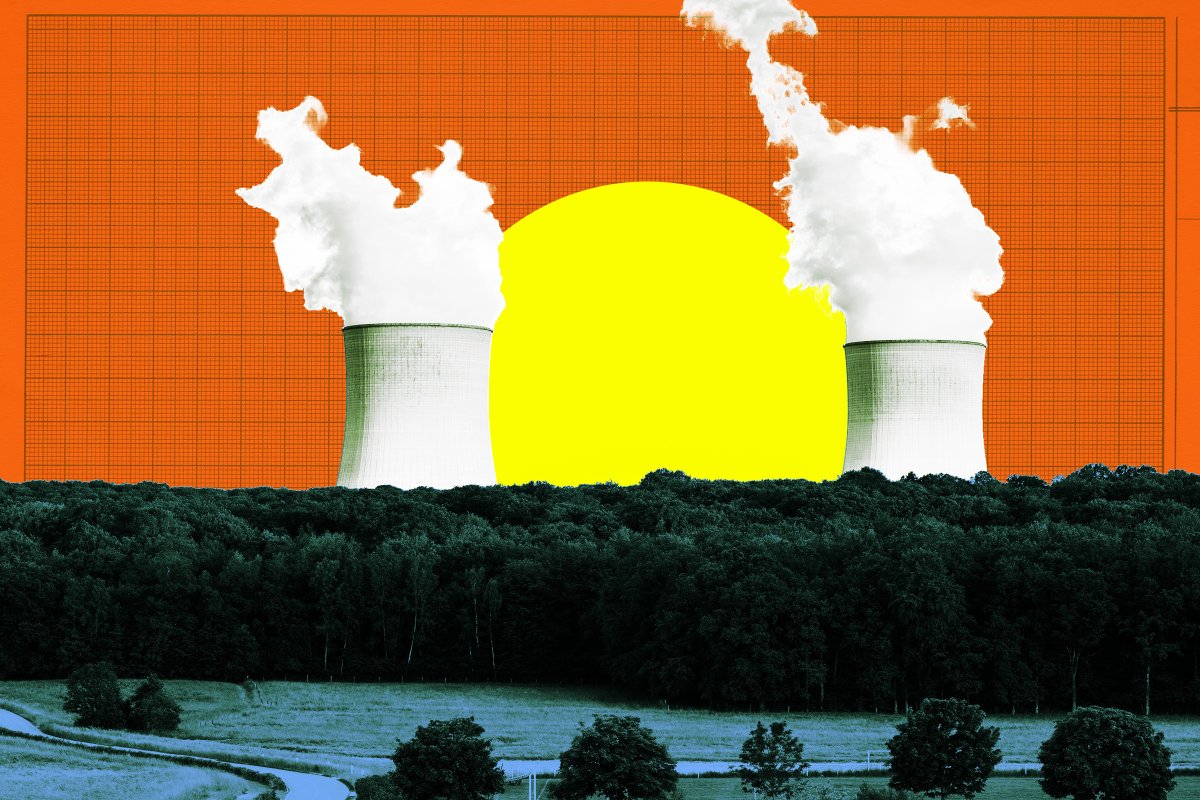
A growing number of nuclear energy startups are facing scrutiny after new reporting found that most have not joined one of the industry’s central safety organizations. According to the source material, only one of nine nuclear startups tied to the current advanced-reactor wave has signed up to join the Institute of Nuclear Power Operations, or INPO.
That matters because INPO occupies a distinctive role in the U.S. nuclear sector. It is not a government regulator, but it was created after the 1979 partial meltdown at Three Mile Island and serves as a nonprofit industry watchdog. Its work includes conducting plant inspections, sharing operational guidance, and helping train nuclear personnel.
A voluntary system under pressure
Joining INPO is voluntary, but the report says every nuclear operator had joined until now. The apparent reluctance of several startups to participate therefore signals a break from industry norms just as a new generation of reactor companies tries to scale.
The source report links that reluctance to basic commercial incentives. Nuclear startups are businesses seeking to bring products to market, attract investment, and move quickly through development cycles. Any layer of oversight or operational discipline that does not obviously improve the bottom line may be seen internally as a cost rather than an advantage.
That tension is not unique to nuclear power, but the stakes are unusually high in this sector. Reactor development is capital-intensive, technically demanding, and inseparable from public trust. Safety processes are not simply another compliance burden. They are part of the social license that allows private companies to operate in an industry shaped by low-probability, high-consequence risks.

Why INPO matters
INPO was formed in response to one of the most consequential events in U.S. nuclear history. Its purpose has been to strengthen operational culture, encourage information sharing, and reduce the chance that preventable failures are repeated across the industry. Because it is industry-led rather than state-run, it also represents a system in which companies collectively accept peer scrutiny as part of safe operation.
If startups opt out of that arrangement, the concern is not only symbolic. It may reduce the amount of common guidance, review, and institutional discipline available as new reactor designs move toward deployment. That is especially relevant when many newer firms are trying to differentiate themselves through speed, modularity, and lower costs.
The policy backdrop makes the issue sharper
The report argues that the decision by some startups to sidestep INPO is more troubling because of recent regulatory cutbacks by President Donald Trump. According to the source text, those changes put the industry-led INPO in charge of responsibilities that had previously been handled by the U.S. Nuclear Regulatory Commission.
If that description holds, it would make participation in the safety body even more consequential. A voluntary watchdog can play a supplementary role when formal regulation is robust. It becomes much more important when government oversight is reduced and industry mechanisms are expected to carry more of the burden.

The commercialization dilemma
The current nuclear startup boom has been energized by demand for firm, low-carbon power and by the technology sector’s search for energy to support data centers. That has created strong pressure to move advanced reactor concepts from promise to deployment. But acceleration can expose a familiar dilemma: investors and founders want momentum, while safe nuclear operations demand patience, standardization, and institutional rigor.
The source material names companies such as Aalo Atomics and Antares Nuclear as part of this new wave. Whether those firms and others ultimately join INPO may become a key test of how seriously the sector is taking operational culture before large-scale deployment begins.
The broader issue is not whether startups should exist in nuclear energy. It is whether a privatized and highly competitive model can preserve the safety norms that older parts of the industry treated as non-negotiable. If large numbers of new entrants continue to stay outside the main safety organization, that question will only become harder to ignore.
This article is based on reporting by Futurism. Read the original article.
Originally published on futurism.com