Materials science is getting its own autonomous lab model
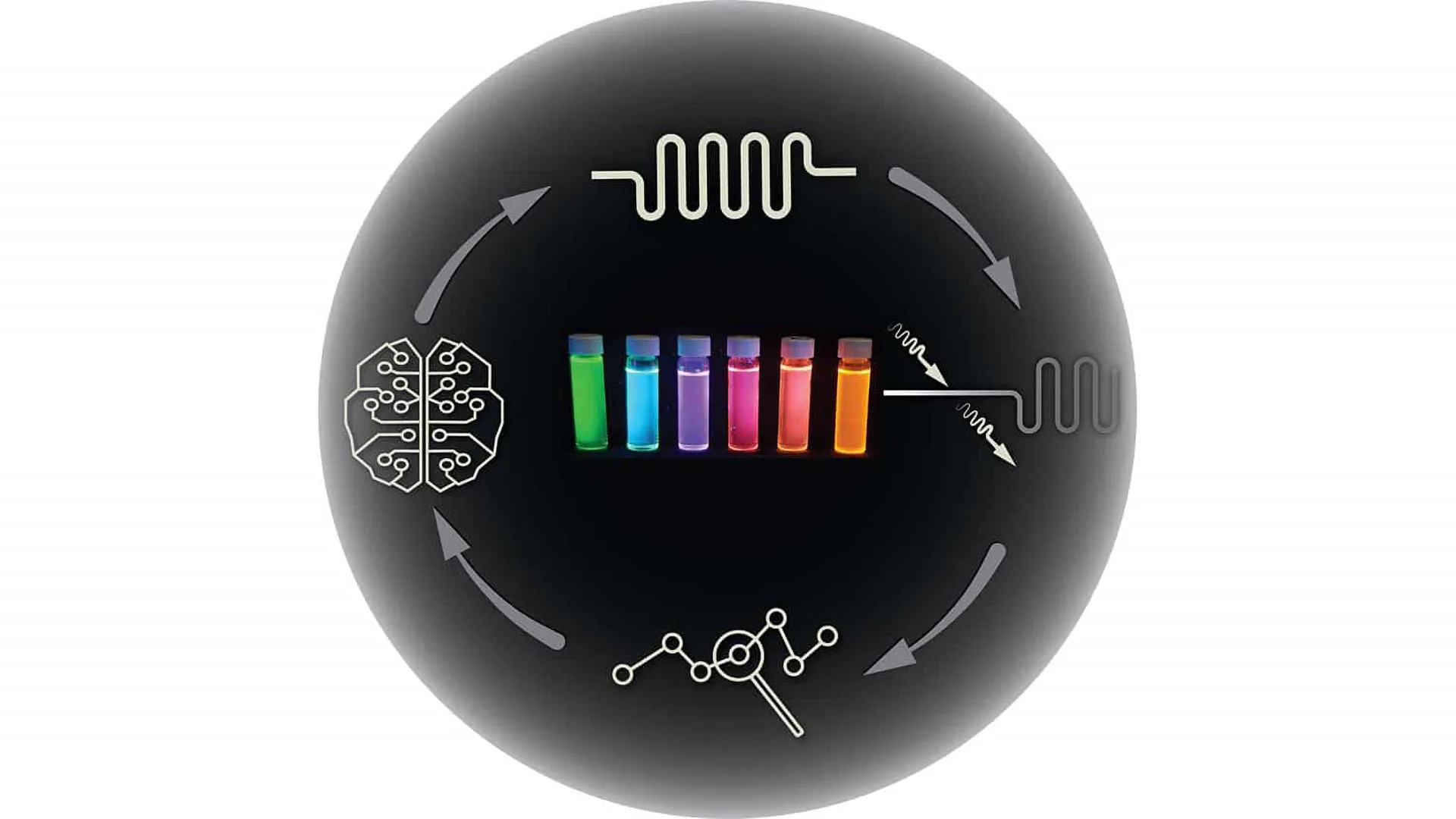
Inside a Midtown Manhattan lab, a robotic system is mixing elements, melting alloys, analyzing structure, and testing performance with minimal human intervention. The aim is not simple automation. It is to let AI propose new materials, run the experiments needed to assess them, learn from the results, and repeat the cycle at a pace traditional materials research rarely reaches.
The lab belongs to startup Radical AI, which says its approach could shorten the path to new industrial materials for applications ranging from longer-lasting jet engines to fusion energy systems. The company’s claim is that AI can do more than sift known formulas. It can help drive the full discovery loop.
Why materials discovery is such a hard target
Developing a new material is often a very slow process. Scientists form hypotheses, synthesize a candidate, characterize it, test it, and then revise the hypothesis based on what happened. Fast Company says that cycle can take 20 years or more. That lag matters because demand for new materials is rising at the same time the world is dealing with shortages, performance constraints, and the environmental burden of extraction and manufacturing.
In other words, materials science is full of high-value problems but limited by experimental speed. That makes it a natural fit for AI systems that can search large design spaces and for robotics that can execute many repetitive tests without waiting for human work hours.

How Radical AI says its system works
According to the source text, the company’s AI system can review 10,000 scientific papers in five seconds. When the team starts on a problem, it gives the system a set of desired material properties. The AI then draws on 380,000 papers and 57 million data points from the lab, including failed experiments that usually do not appear in the published literature.
That last point is important. In science, failures often contain the information that helps narrow a search space, but those failures are rarely visible outside internal notebooks. Radical’s system uses them as part of its working memory, then proposes anywhere from a dozen to a few hundred candidate materials to test.
A self-driving lab, not just a prediction engine
The lab is built around standard materials science equipment, but the workflow is highly automated. Fast Company reports that the setup can run as many as 50 experiments a day and is aiming for 100 a day by the end of the summer. CEO Joseph Krause contrasts that with a human materials scientist who might run 50 experiments in a year.
That does not mean humans disappear from the process. It means human researchers shift toward defining targets, evaluating outputs, and deciding which directions matter. Radical’s framing is that one scientist could focus on multiple problems because the system absorbs much of the literature review, hypothesis generation, and experimental execution burden.

What this could change
If the model holds up, it could alter one of the most stubborn constraints in industrial R&D: the time required to move from a desired property profile to a workable new material. Faster discovery would not guarantee commercialization, but it could widen the funnel dramatically by letting researchers test more ideas and discard bad ones sooner.
The company raised $55 million in a seed round last year, which reflects how much investor attention is flowing into AI systems that promise not just to summarize science, but to perform it in a tighter loop with physical hardware. That is a harder claim to validate than a software benchmark. But it is also the claim that matters if AI is going to reshape research in the real world.
Why this lab stands out
- The system combines AI hypothesis generation with an automated experimental workflow.
- It draws on both published literature and tens of millions of in-house lab data points.
- The company says the lab can already run 50 experiments a day, with a goal of 100.
For years, AI’s role in science has often been described in abstract terms. Radical AI is making a much more concrete argument: that the future of discovery may depend on machines that can read, reason, and then physically test their own ideas at industrial speed.
This article is based on reporting by Fast Company. Read the original article.
Originally published on fastcompany.com