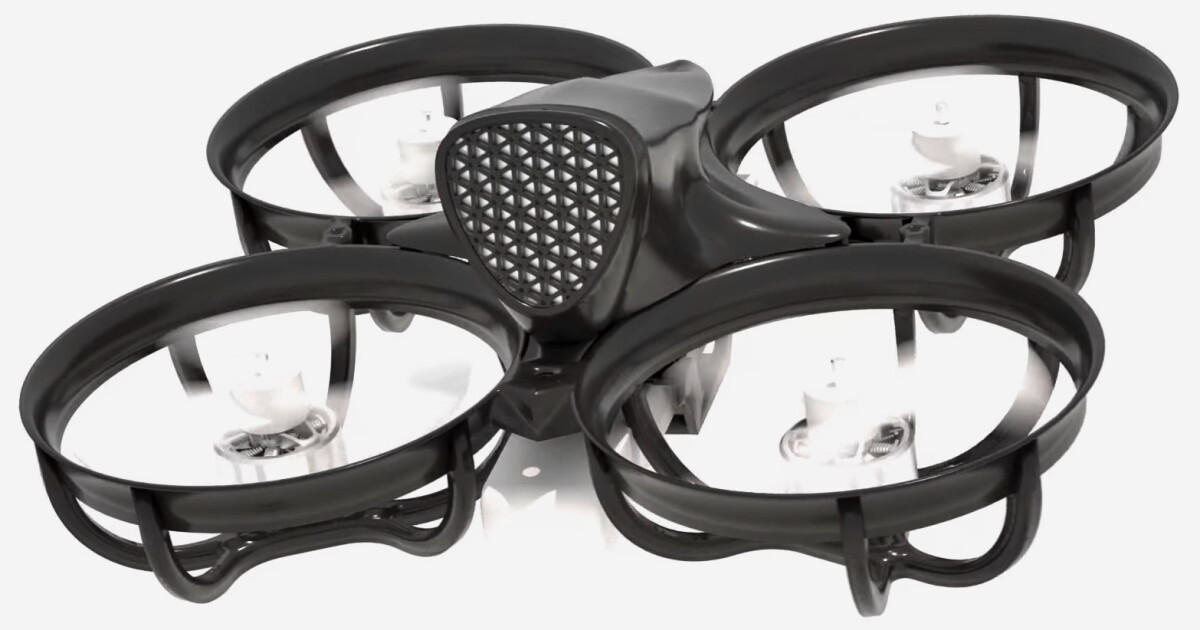
A startup wants drones to patrol the air for mosquitoes
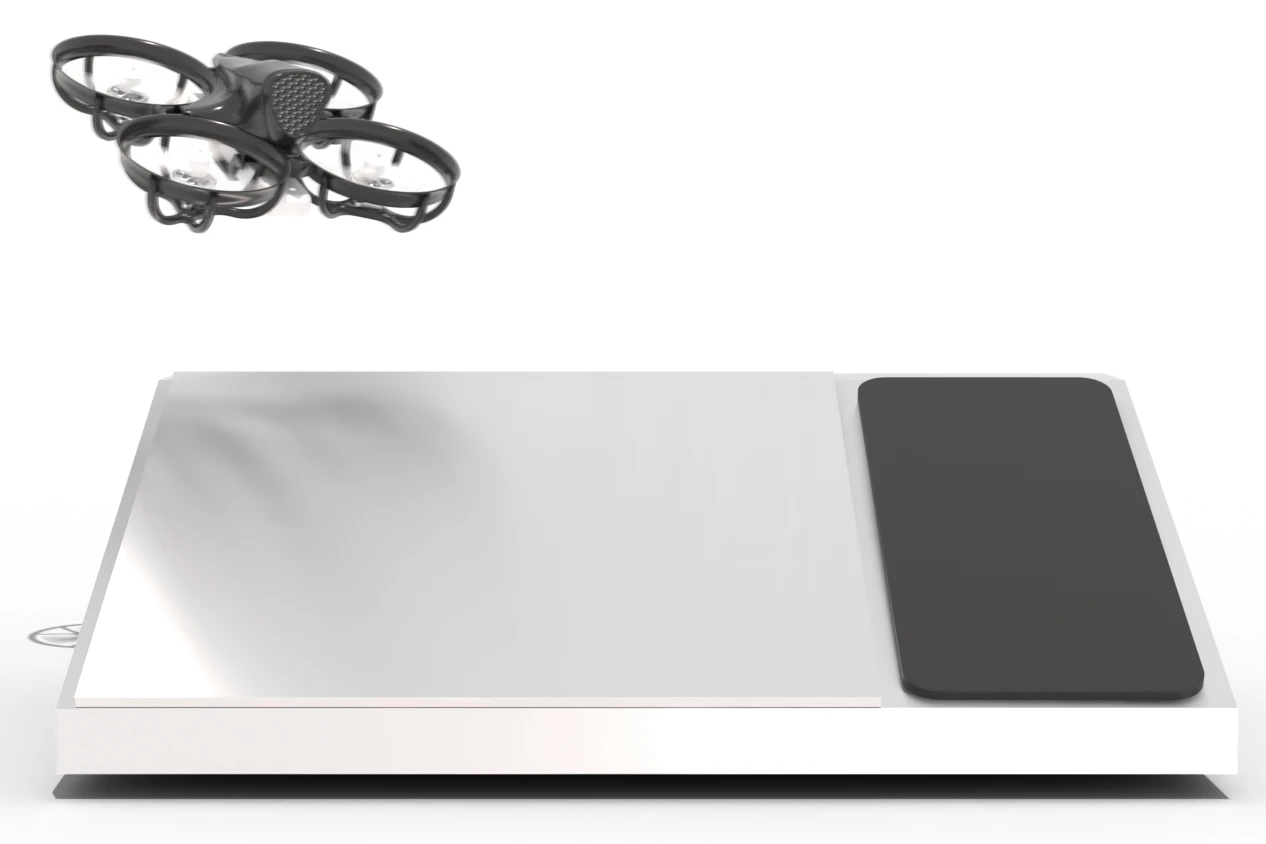
A French startup called Tornyol is proposing an unusual answer to one of humanity’s oldest public-health problems: send autonomous drones after mosquitoes and destroy them in flight. According to the supplied source text, the company’s LeSonar2 drone uses ultrasonic sensing to locate insects in the air, patrol a defined area on its own, and return to a base station for charging when needed. When it identifies a target, it accelerates toward it and “neutralizes” it using its propellers.
That idea places Tornyol’s system somewhere between robotics, pest control, and disease prevention. Mosquitoes are responsible for spreading illnesses including malaria, yellow fever, dengue fever, and Zika virus. The source text cites World Health Organization statistics estimating that mosquitoes kill between 700,000 and 1 million people each year. Against that backdrop, a tool that claims to actively hunt mosquitoes rather than passively trap them is likely to draw attention, even if major questions about scale, effectiveness, and deployment remain unanswered.
How the LeSonar2 system is described
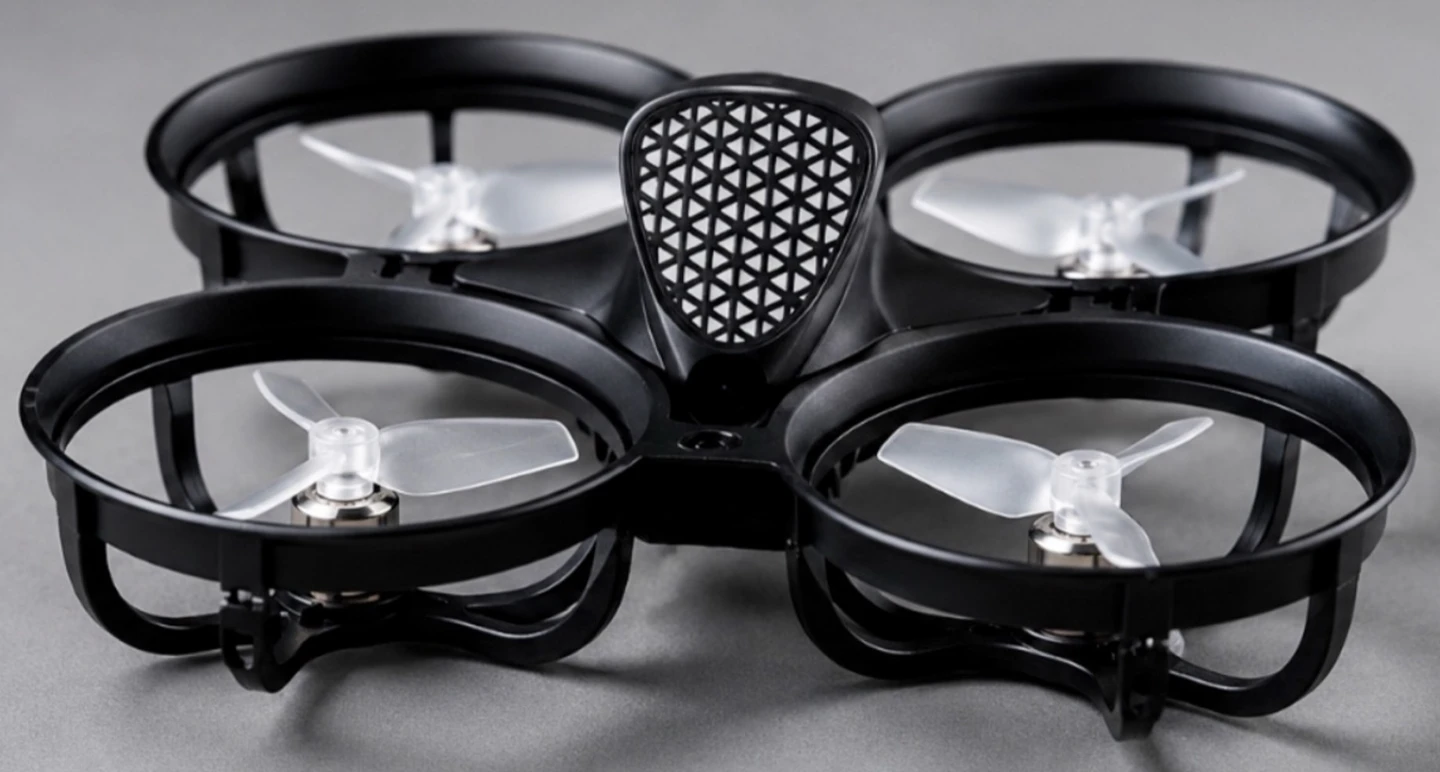
Tornyol’s latest model is described as a 40-gram autonomous drone equipped with 32 ultrasonic emitters. The company says those emitters send out pulses that reflect off nearby objects and insects. The drone also uses 380 smartphone microphones to capture the returning signals, while an Artix-7 FPGA processor handles the signal processing required to turn those reflections into a real-time three-dimensional map of the surroundings.
In practical terms, the pitch is that the drone mimics some aspects of biological echolocation. The source text compares the approach to the way bats use sonar. Rather than relying on cameras alone, the system is presented as an ultrasonic phased-array platform paired with digital signal processing and control algorithms. That combination is meant to help the drone detect and track small airborne targets, then maneuver close enough for its rotors to kill them.
The company also says the drone continuously patrols a specified area and docks with its own base station when it needs to recharge. That autonomy matters because a manually piloted system would be too labor-intensive for most real-world pest-control use. The concept only becomes operationally interesting if the drone can repeatedly scan an area, identify likely mosquitoes, and act without constant human supervision.

Why the concept stands out
Most mosquito-control strategies fall into a few broad categories: chemical insecticides, traps, habitat reduction, or biological interventions such as sterilization and genetic modification. Each has tradeoffs. The source text notes that insecticides can harm humans, pets, and the broader environment, while traps are usually passive. Tornyol is positioning its drone as an active countermeasure, one that seeks out individual targets in the air rather than waiting for them to come close.
That framing is significant because it shifts mosquito control from area treatment to targeted interception. In theory, that could reduce chemical exposure and offer a more selective method of suppression. A drone-based approach might also be attractive in places where standing water is widespread, insecticide resistance is a concern, or indoor and outdoor environments require different tactics.
At the same time, the novelty of the concept is also its main challenge. Mosquitoes are tiny, numerous, agile, and often active in cluttered environments. A system designed to engage them one by one would need to be extraordinarily reliable and efficient to make a measurable dent in population pressure or disease transmission. The source text presents the technology as a solution proposal, but does not provide broader field results showing population-level impact.
What is supported by the source and what is not
Based on the supplied material, several claims are clearly supported. Tornyol is YC-backed. The LeSonar2 is presented as a lightweight autonomous drone with 32 ultrasonic emitters, 380 smartphone microphones, and an Artix-7 FPGA. The system is described as using ultrasonic phased-array sonar and digital signal processing to detect insects and dispatch them with its propellers. The drone is also said to patrol a set area and recharge at a base station.
What the source text does not establish is equally important. It does not provide independent validation that the drone can reliably distinguish mosquitoes from other small insects in varied environments. It does not quantify kill rates, effective coverage area, energy efficiency, maintenance requirements, or cost of operation. It also does not show whether the system can contribute meaningfully to disease control at neighborhood, municipal, or regional scales.
Those gaps do not invalidate the concept, but they do define the boundary between an intriguing prototype and a proven tool. Emerging technology in vector control often looks promising at the demonstration stage and then encounters friction in cost, durability, regulatory acceptance, or real-world performance. Tornyol’s drone now sits squarely in that scrutiny zone.

Where this could fit in mosquito control
If the company’s claims hold up, a drone like LeSonar2 would likely function as part of a larger toolkit rather than as a replacement for existing methods. High-risk indoor spaces, patios, tourist sites, greenhouses, hospitals, warehouses, and transport hubs could be more plausible initial deployment targets than entire open urban districts. Controlled environments would allow the system to operate with fewer obstacles and clearer metrics for evaluating success.
The approach might also appeal where chemical use is restricted or unpopular. Because the drone is described as using ultrasonic sensing and mechanical elimination, it could be marketed as a lower-chemical alternative for some settings. That would not remove concerns about noise, safety around people and animals, or the possibility of false targeting, but it would distinguish the system from spray-based interventions.
Another practical question is economics. Autonomous robotics can look efficient on paper while hiding expensive hardware, maintenance cycles, battery replacements, and supervision costs. The source text does not answer those issues, so the business case remains open. For public-health buyers, efficacy per dollar is often decisive.
An inventive pitch facing a hard proof burden
Tornyol’s proposal is notable because it reframes mosquito control as an air-intercept problem for robotics. That alone makes it one of the more inventive pest-tech ideas to surface recently. It combines phased-array ultrasonics, onboard signal processing, autonomy, and mechanical elimination into a single platform aimed at a problem with enormous global consequences.
But invention and impact are not the same. The burden now is proof: proof that the drone can identify the right targets, proof that it can operate effectively beyond demos, and proof that its performance justifies the complexity. Mosquitoes are among the world’s deadliest animals because of the diseases they transmit, not because they are easy to eradicate. Any system promising a new line of defense has to show not just technical flair, but measurable public-health value.
For now, the LeSonar2 stands as a vivid example of how robotics is pushing into nontraditional domains. Whether it becomes a practical vector-control tool or remains a striking prototype will depend on data the supplied source text does not yet provide. The concept is real, the engineering pitch is specific, and the opportunity is large. The next step is evidence.
This article is based on reporting by New Atlas. Read the original article.

Originally published on newatlas.com


