Nissan असिस्टेड ड्राइविंग को लेकर एक बड़ा दावा कर रहा है
Nissan का कहना है कि उसकी अगली पीढ़ी की ProPilot Assist प्रणाली स्वचालित क्षमता के एक नए स्तर के करीब पहुंच रही है, और कंपनी ने यह बात टोक्यो में सार्वजनिक सड़क पर किए गए एक प्रदर्शन के जरिए सामने रखी। Nissan के कार्यकारी मुख्य अभियंता Tetsuya Iijima के अनुसार, अपडेटेड प्लेटफ़ॉर्म को सबसे पहले 2027 में जापान में लॉन्च करने की योजना है, और उसके बाद अन्य बाज़ारों में भी जल्द से जल्द इसे लाया जाएगा।
कंपनी का दावा असामान्य रूप से सीधा है। Iijima ने The Drive को बताया कि नई प्रणाली “मानव चालक के बराबर या उससे बेहतर” है, और फिर उन्होंने प्रोटोटाइप Nissan Ariya में 40 मिनट की सवारी के जरिए इस बयान को साबित करने की कोशिश की। रूट में शहर की सड़कें और हाईवे दोनों शामिल थे, और रिपोर्ट के मुताबिक यह पूरी तरह अनियंत्रित परीक्षण माहौल था, न कि कोई बंद ट्रैक या पहले से तय किया गया प्रदर्शन।
अगर यह विवरण उत्पादन संस्करण में भी सही साबित होता है, तो यह विकास आज की लेन-सेंट्रिंग और सुपरवाइज़्ड हाईवे प्रणालियों से एक बड़ा कदम होगा, और Nissan को Tesla और Wayve के समझे जाने वाले प्रतिस्पर्धी दायरे के और करीब ले जाएगा।
टोक्यो परीक्षण के दौरान क्या हुआ
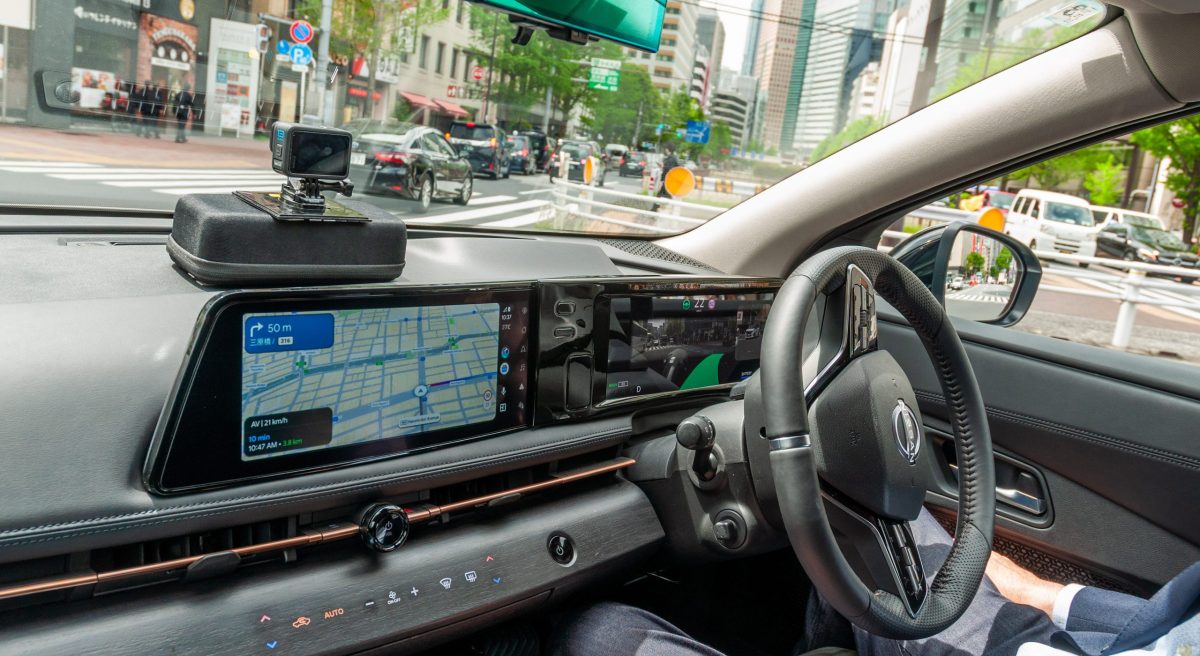
प्रदर्शन में इस्तेमाल किया गया प्रोटोटाइप वाहन एक परिचित Ariya पर आधारित था, हालांकि परीक्षण हार्डवेयर अभी भी दिखाई दे रहा था। छत पर लगा एक काला बॉक्स विकास उद्देश्यों के लिए सेंसर ऐरे के एक हिस्से को समाहित किए हुए था। उत्पादन वाहन में Nissan का इरादा इन सेंसरों को बाहरी मॉड्यूल के रूप में खुला रखने के बजाय वाहन के भीतर ही एकीकृत करने का है।
रिपोर्ट में वर्णित हार्डवेयर स्टैक में 11 कैमरे, पांच रडार यूनिट्स और एक लिडार सेंसर शामिल थे। यह संयोजन संकेत देता है कि Nissan केवल कैमरों पर निर्भर रहने के बजाय सेंसिंग मोड्स में redundancy अपना रहा है। यह उस व्यापक उद्योग प्रवृत्ति से भी मेल खाता है, जिसमें सार्वजनिक सड़कों पर अधिक मजबूत स्वचालित ड्राइविंग देने की कोशिश कर रही कंपनियां दृष्टि, रडार और लिडार को एक साथ उपयोग कर रही हैं, बजाय इन्हें परस्पर विरोधी विकल्प मानने के।
Ariya डेमो की शुरुआत होटल के पास एक पार्किंग स्थान से मैनुअल तरीके से बाहर निकालने से हुई, क्योंकि Nissan के अनुसार परीक्षण सेटअप में वह हिस्सा अभी भी निष्क्रिय है, हालांकि उत्पादन प्रणाली से अपेक्षा है कि वह वाहन को स्वयं स्टार्ट करने और पार्किंग से निकलने का काम संभाल लेगी। जैसे ही कार होटल के प्रवेश द्वार तक पहुंची, Iijima ने टचस्क्रीन के जरिए ड्राइव शुरू की और नेविगेशन-निर्देशित प्रणाली ने नियंत्रण संभाल लिया।
The Drive के अनुसार, उसके बाद वाहन में मौजूद मानव ने यात्रा के शेष हिस्से में न तो स्टीयरिंग व्हील को छुआ, न एक्सेलेरेटर को, और न ही ब्रेक को। रूट में ट्रैफिक लाइटें, शहरी यातायात, पैदल यात्री, हाईवे यात्रा और टोक्यो को एक कठिन परीक्षण मैदान बनाने वाली तरह-तरह की जटिलताएं शामिल थीं।
स्वचालित ड्राइविंग की दौड़ में यह क्यों मायने रखता है
ऑटोमेकर वर्षों से सुरक्षित और सुविधाजनक स्वचालित ड्राइविंग का वादा करते आए हैं, लेकिन उन्नत ड्राइवर-असिस्टेंस सिस्टम और अधिक सक्षम hands-off, eyes-on या उससे भी अधिक स्वायत्त व्यवहारों के बीच अभी भी महत्वपूर्ण अंतर बने हुए हैं। एक चमकदार डेमो और व्यापक रूप से लागू किए जा सकने वाले प्रोडक्ट के बीच का अंतर भी वही जगह है जहां कई कार्यक्रम अटक गए।
Nissan की घोषणा इसलिए अहम है क्योंकि यह संकेत देती है कि कंपनी क्रमिक सहायता से आगे बढ़कर एक अधिक सामान्यीकृत प्रणाली की ओर जाना चाहती है, जो घने, मिश्रित शहरी यातायात में नेविगेट कर सके। ऐसा विश्वसनीय रूप से करना केवल कार को लेन के बीच केंद्रित रखने से कहीं अधिक है। इसका मतलब है ट्रैफिक लाइटों को समझना, merges को संभालना, निर्माण क्षेत्रों पर प्रतिक्रिया देना, पैदल यात्रियों का ध्यान रखना, और कम गति पर शहरी निर्णय लेना जो हाईवे पर cruising की तुलना में कहीं कम अनुमानित होते हैं।
हार्डवेयर का खुलासा भी महत्वपूर्ण है। 11 कैमरे, पांच रडार यूनिट और एक लिडार यह दर्शाते हैं कि Nissan अगले स्तर की क्षमता के लिए perception redundancy को आवश्यक मानता है। यह चुनाव लागत, पैकेजिंग और मरम्मत की जटिलता को प्रभावित कर सकता है, लेकिन यह यह भी दिखाता है कि वास्तविक दुनिया में स्वचालित ड्राइविंग कितनी कठिन है। एक अकेला sensing modality अनुकूल परिस्थितियों में प्रभावशाली प्रदर्शन कर सकता है, लेकिन सार्वजनिक सड़क पर तैनाती को glare, मौसम, अवरोध, अपरिचित सड़क लेआउट और असामान्य edge cases का सामना करना पड़ता है।
उत्पादन समयरेखा ही असली परीक्षा है
Nissan का कहना है कि पहला लॉन्च बाज़ार 2027 में जापान होगा। यह तारीख मायने रखती है क्योंकि यह चर्चा को शोध-स्तरीय दावों से हटाकर सत्यापन, विनियमन, उपभोक्ता अपेक्षाओं और दायित्व जैसे व्यावहारिक क्षेत्रों में ले आती है। एक प्रोटोटाइप तकनीकी संभावनाएं दिखा सकता है; उत्पादन लॉन्च को दोहरावयोग्यता साबित करनी होती है।
इस डेमो से कई सवालों के जवाब नहीं मिलते। रिपोर्ट यह स्थापित नहीं करती कि व्यापक आंतरिक परीक्षण में प्रणाली को fallback intervention कितनी बार चाहिए होता है, खराब मौसम या रात में इसका प्रदर्शन कैसा रहता है, या व्यावसायिक संस्करण के साथ कौन-सी geofencing और परिचालन सीमाएं होंगी। यह भी स्पष्ट नहीं है कि लॉन्च के समय Nissan कौन-से driver-monitoring नियम, map dependencies, या route constraints लागू करेगा।
ये विवरण तय करेंगे कि इस प्रणाली को बहुत उन्नत driver-assist फीचर के रूप में समझा जाए या उपभोक्ता वाहन स्वायत्तता में किसी अधिक महत्वपूर्ण बदलाव के रूप में। ऑटो उद्योग में भाषा अक्सर संचालन सीमाओं से आगे निकल जाती है। “एक डेमो में बिना हस्तक्षेप” और “लाखों मील तक भरोसेमंद” के बीच का अंतर ही वह जगह है जहां कई कार्यक्रमों का मूल्यांकन होता है।
यह तकनीकी संकेत जितना है, प्रतिस्पर्धी संकेत भी उतना ही है
Nissan की प्रस्तुति स्पष्ट करती है कि यह सिर्फ एक प्रोडक्ट टीज़र नहीं था। यह बाज़ार को यह संकेत भी था कि कंपनी self-driving तकनीक पर अगली गंभीर बातचीत का हिस्सा बनना चाहती है। जिस स्तर को Nissan लक्ष्य बना रहा है, उस स्तर पर Tesla और Wayve को peers के रूप में स्पष्ट रूप से नाम देकर Iijima ने ऑटोमेकर को उन कंपनियों के सामने रखा जो आमतौर पर आक्रामक autonomy महत्वाकांक्षाओं से जुड़ी होती हैं।
यह मायने रखता है क्योंकि विरासत ऑटोमेकर अक्सर अधिक सतर्क दिखे हैं, चाहे वह नियामकीय जोखिम के कारण हो या इसलिए कि उन्हें automated-driving प्रणालियों को कड़े लागत और reliability requirements वाले वैश्विक वाहन कार्यक्रमों में एकीकृत करना पड़ता है। Nissan अब संकेत दे रहा है कि वह सिर्फ driver assistance में नहीं, बल्कि automated urban competence में भी प्रतिस्पर्धा करना चाहता है।
अब तक उपलब्ध सबसे मजबूत सबूत केवल दिए गए डेमो रिपोर्ट तक सीमित हैं। लेकिन उसी आधार पर भी कंपनी का संदेश स्पष्ट है: Nissan मानता है कि उसका अगला ProPilot प्लेटफ़ॉर्म केवल एक iteration नहीं है। यह एक step change के रूप में डिज़ाइन किया गया है।
2027 में यह दावा उत्पादन वास्तविकता से टकराने पर टिकता है या नहीं, वही तय करेगा कि यह टोक्यो ड्राइव अंततः कितनी महत्वपूर्ण साबित होती है। अभी के लिए, यह real streets पर automated-driving वादों को रोज़मर्रा के वाहन व्यवहार में बदलने की उद्योग की चलती कोशिश में एक उल्लेखनीय मील का पत्थर है।
यह लेख The Drive की रिपोर्टिंग पर आधारित है। मूल लेख पढ़ें.
Originally published on thedrive.com