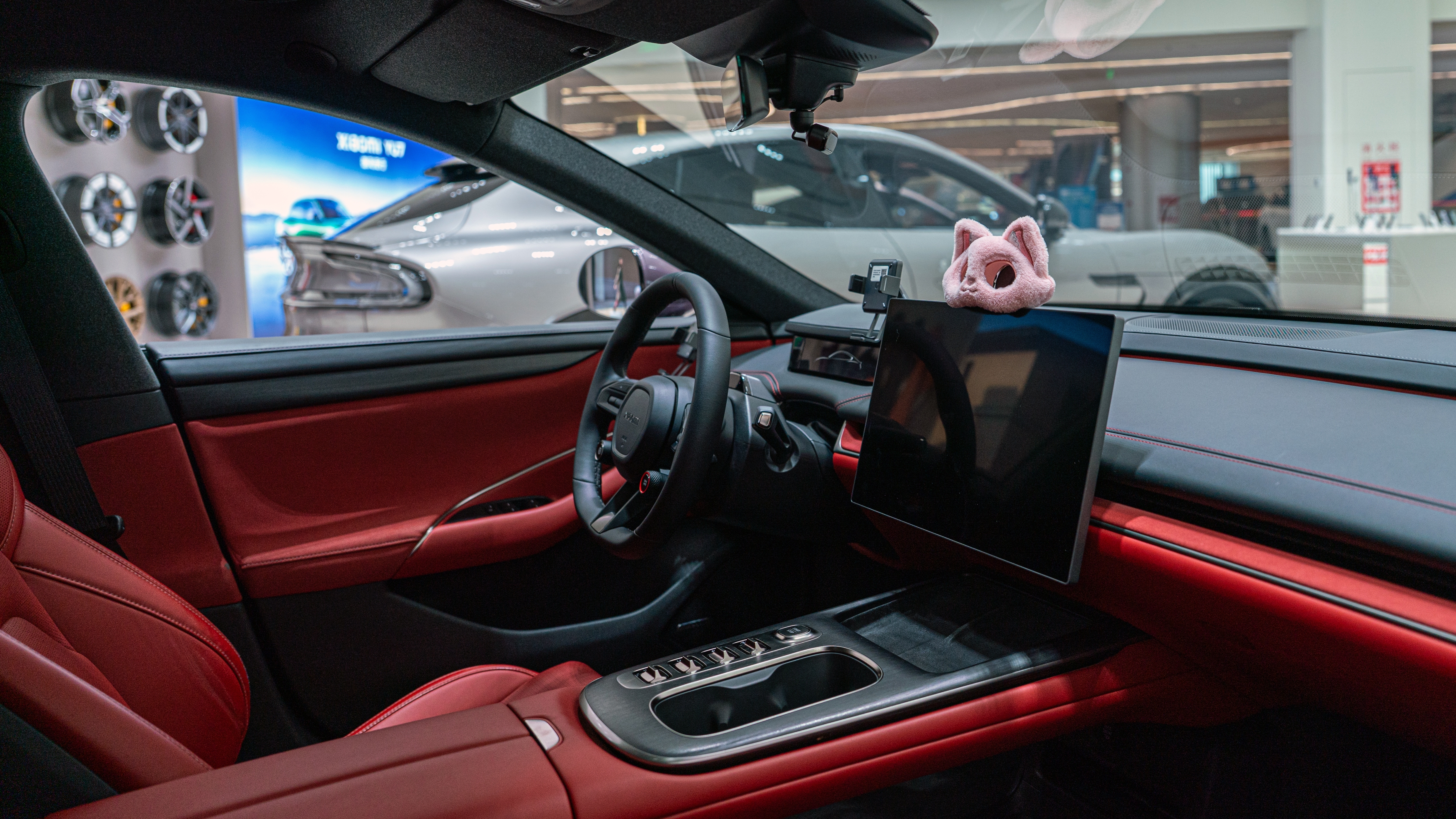
एक नई घड़ी चल रही है
"चीन की गति" वाक्यांश वैश्विक ऑटोमोटिव उद्योग में एक ऐसे विकास और उत्पादन क्रम के लिए संक्षेप बन गया है, जिसे पश्चिमी निर्माता प्रशंसा और चिंता के मिश्रण के साथ वर्णित करते हैं। BYD के नेतृत्व में, लेकिन NIO, Li Auto, Xiaomi और Huawei की ऑटोमोटिव पहलों तक फैले चीनी इलेक्ट्रिक वाहन निर्माताओं ने यह दिखाया है कि वे एक नए वाहन मॉडल को अवधारणा से उत्पादन तक 18 से 24 महीनों में ला सकते हैं — जो Toyota, Volkswagen, या General Motors को आम तौर पर लगने वाले समय का लगभग आधा है। वे मौजूदा मॉडलों में भी इतनी तेजी से बदलाव कर रहे हैं कि पारंपरिक वार्षिक मॉडल-ईयर अपडेट चक्र उसका मुकाबला नहीं कर सकता।
विकास समय का यह संकुचन केवल नियामकीय शॉर्टकट या गुणवत्ता शॉर्टकट का परिणाम नहीं है, हालांकि आलोचकों ने दोनों की ओर इशारा किया है। यह इस बात में वास्तविक नवाचारों को दर्शाता है कि चीनी EV निर्माता विकास प्रक्रियाओं को कैसे संगठित करते हैं: अत्यधिक एकीकृत सॉफ्टवेयर और हार्डवेयर टीमें जो वाहन इलेक्ट्रॉनिक्स और भौतिक आर्किटेक्चर को क्रमिक रूप से नहीं, बल्कि एक साथ डिज़ाइन करती हैं; डिजिटल ट्विन और सिमुलेशन उपकरण जो भौतिक प्रोटोटाइप की पुनरावृत्तियों को संकुचित करते हैं; और आपूर्तिकर्ता संबंध जो तीव्र सह-विकास के इर्द-गिर्द संरचित हैं, न कि उस दूरस्थ स्पेसिफिकेशन-और-बिड मॉडल के इर्द-गिर्द जो अभी भी पश्चिमी ऑटोमोटिव सोर्सिंग के बड़े हिस्से की विशेषता है।
सॉफ्टवेयर-प्रथम व्यवधान
चीन की गति के लाभ के केंद्र में इस बात की मूलभूत पुनर्कल्पना है कि एक कार क्या है। पश्चिमी ऑटो निर्माता, जिन्होंने वाहन गतिशीलता, विनिर्माण गुणवत्ता और यांत्रिक इंजीनियरिंग उत्कृष्टता में दशकों का निवेश किया है, ऐतिहासिक रूप से कार को मूलतः एक भौतिक वस्तु के रूप में देखते रहे हैं — धातु, रबर और द्रव प्रणालियों का एक सूक्ष्म रूप से अभियांत्रित संयोजन, जिसमें इलेक्ट्रॉनिक और सॉफ्टवेयर विशेषताएँ क्रमशः जोड़ी जाती हैं। चीनी EV निर्माता, जिनमें से कई ने अपनी सुरक्षा के लिए विरासत दहन-इंजन व्यवसाय के बिना उद्योग में प्रवेश किया, ने कार को मूलतः एक सॉफ्टवेयर-परिभाषित उत्पाद के रूप में अपनाया है — एक चलता-फिरता कंप्यूट प्लेटफ़ॉर्म, जिसकी क्षमताएँ स्मार्टफोन सॉफ्टवेयर की तरह ही ओवर-द-एयर आधार पर परिभाषित और उन्नत की जाती हैं।
यह अंतर प्रतिस्पर्धात्मक लाभ के निर्माण और उसे बनाए रखने के तरीके पर गहरे प्रभाव डालता है। एक पारंपरिक ऑटोमोटिव निर्माता के लिए, प्रतिस्पर्धात्मक लाभ टूलिंग, आपूर्तिकर्ता संबंधों, विनिर्माण दक्षता, और उन हजारों इंजीनियरों की संचित विशेषज्ञता में निहित होता है, जिन्होंने अपने करियर के दौरान विशिष्ट यांत्रिक प्रणालियों को परिष्कृत किया है। ये लाभ वास्तविक, महत्वपूर्ण और शीघ्रता से दोहराने में कठिन हैं।
सॉफ्टवेयर-परिभाषित प्रतिस्पर्धात्मक लाभ अलग तरह से काम करते हैं। इन्हें ओवर-द-एयर अपडेट के माध्यम से वैश्विक स्तर पर एक साथ तैनात किया जा सकता है। इन्हें अधिक तेजी से कॉपी, रिवर्स-इंजीनियर और पीछे छोड़ा जा सकता है। और इन्हें लगातार ऐसे तरीकों से दोहराया जा सकता है, जिनका अर्थ यह है कि खरीद के दो साल बाद दिया गया वाहन बिक्री के दिन की तुलना में काफी अलग — और बेहतर — क्षमताएँ रख सकता है। BYD और NIO नियमित रूप से ग्राहकों के मौजूदा वाहनों में महत्वपूर्ण फीचर अपडेट भेजते हैं, जिससे ग्राहक संबंध मॉडल पारंपरिक वाहन स्वामित्व अनुभव की तुलना में सॉफ्टवेयर सब्सक्रिप्शन के अधिक करीब बन जाता है।
ऐसी लागत संरचनाएँ जो अर्थशास्त्र को फिर से लिखती हैं
चीन का EV उद्योग ऐसी लागत संरचनाओं से भी लाभ उठाता है, जिन्हें पश्चिमी निर्माता आसानी से दोहरा नहीं सकते। घरेलू लिथियम-आयन बैटरी आपूर्ति श्रृंखला — कच्चे माल का प्रसंस्करण, सेल निर्माण, पैक असेंबली — बड़े पैमाने पर चीन में केंद्रित है, जिससे चीनी ऑटो निर्माताओं को उन पश्चिमी प्रतिस्पर्धियों की तुलना में बेहतर पहुंच और कम लागत मिलती है, जो आयातित बैटरी सामग्री और सेल पर निर्भर हैं। CATL, जो दुनिया की प्रमुख बैटरी निर्माता है, चीनी EV निर्माताओं के साथ गहरे सह-विकास संबंध बनाए रखती है, जो बैटरी एकीकरण को तेज करते हैं और बैटरी सिस्टम लागत को ऐसे तरीकों से घटाते हैं जो बाहरी आपूर्तिकर्ता के रूप में CATL से सोर्स करने वाले निर्माताओं के लिए उपलब्ध नहीं हैं।
चीनी ऑटोमोटिव विनिर्माण में श्रम लागत पश्चिमी स्तरों से अभी भी काफी नीचे है, हालांकि पिछले दशक में वेतन में पर्याप्त वृद्धि हुई है। लागत का अंतर संकुचित हो रहा है, लेकिन वाहन असेंबली और गुणवत्ता निरीक्षण जैसे उच्च-श्रम-गहन क्षेत्रों में चीनी निर्माताओं के पास अभी भी एक महत्वपूर्ण लागत लाभ है, जो प्रतिस्पर्धी निर्यात बाजारों में आक्रामक मूल्य निर्धारण की क्षमता में योगदान देता है।
पश्चिमी प्रतिक्रिया रणनीतियाँ
चीन की गति की चुनौती के प्रति पश्चिमी ऑटो उद्योग की प्रतिक्रिया पहचानने योग्य चरणों से होकर विकसित हुई है। प्रारंभिक उपेक्षा — यह धारणा कि चीनी ब्रांड, एशियाई ऑटो प्रतिस्पर्धा की पिछली लहरों की तरह, गुणवत्ता और ब्रांड धारणा की खाइयों को पाटने में दशकों लगाएंगे — अब वास्तविक प्रतिस्पर्धी खतरे के अधिक तात्कालिक आकलन में बदल गई है। Volkswagen Group की यह स्वीकारोक्ति कि उसे अपने सबसे महत्वपूर्ण एकल बाजार में चीनी प्रतिस्पर्धा से अस्तित्वगत चुनौती का सामना है, और उसके जवाब में किया गया पुनर्गठन, उद्योग के सार्वजनिक रुख में एक मोड़ को दर्शाता है।
व्यावहारिक प्रतिक्रियाएँ निर्माता के अनुसार अलग-अलग हैं। कुछ चीनी साझेदारों के साथ संयुक्त उद्यम या प्रौद्योगिकी लाइसेंसिंग व्यवस्थाएँ अपना रहे हैं — ऐसा मार्ग जो प्रासंगिक क्षमताओं तक तेज़ पहुंच देता है, लेकिन प्रौद्योगिकी हस्तांतरण और दीर्घकालिक निर्भरता को लेकर चिंताएँ भी उठाता है। अन्य आंतरिक सॉफ्टवेयर विकास क्षमता में भारी निवेश कर रहे हैं। कई निर्माता संगठनात्मक पुनर्गठन के माध्यम से संकुचित विकास चक्रों के साथ प्रयोग कर रहे हैं, जो उन क्रमिक, साइलो-आधारित प्रक्रियाओं को तोड़ता है, जिन्होंने ऐतिहासिक रूप से बाज़ार में पहुंचने के समय को धीमा किया है।
इनमें से कोई भी प्रतिक्रिया लागत या जोखिम से मुक्त नहीं है, और अब तक किसी ने भी ऐसा पश्चिमी निर्माता नहीं बनाया है जो विकास गति और लागत दोनों में एक साथ चीनी EV निर्माताओं से प्रतिस्पर्धा कर सके। उद्योग के लिए प्रश्न यह है कि क्या यह अंतर तब तक भरा जा सकता है जब तक चीनी ब्रांड ब्रांड पहचान और वैश्विक वितरण पैमाने तक नहीं पहुंच जाते, जो उन्हें केवल चीन में ही नहीं, बल्कि दक्षिण-पूर्व एशिया, यूरोप और अंततः संयुक्त राज्य अमेरिका के प्रतिस्पर्धी बाजारों में भी प्रभावशाली बना देगा।
अगले दशक के लिए निहितार्थ
चीन की गति से आने वाला प्रतिस्पर्धी दबाव वैश्विक ऑटोमोटिव उद्योग के उस पुनर्गठन को तेज कर रहा है, जिसे सामान्य बाजार विकास की स्थिति में दशकों लगते। यह इस बारे में कठिन फैसले लेने को मजबूर कर रहा है कि किन क्षमताओं में निवेश करना है, किन संबंधों को बनाना या समाप्त करना है, और किन बाजारों को प्राथमिकता देनी है। परिणाम यह तय करेगा कि आज के कौन से प्रमुख ऑटोमोटिव ब्रांड मध्य-2030 के दशक में प्रतिस्पर्धी बने रहेंगे और कौन से विशिष्ट निच स्थितियों, मजबूत खिलाड़ियों द्वारा अधिग्रहण, या नियंत्रित गिरावट में धकेल दिए जाएंगे। घड़ी चल रही है, और इसकी गति Shenzhen और Shanghai में निर्धारित की जा रही है।
यह लेख Automotive News की रिपोर्टिंग पर आधारित है। मूल लेख पढ़ें.
Originally published on autonews.com