जब इंजीनियरिंग समझौता सामान्य सर्विस को बड़ा काम बना दे
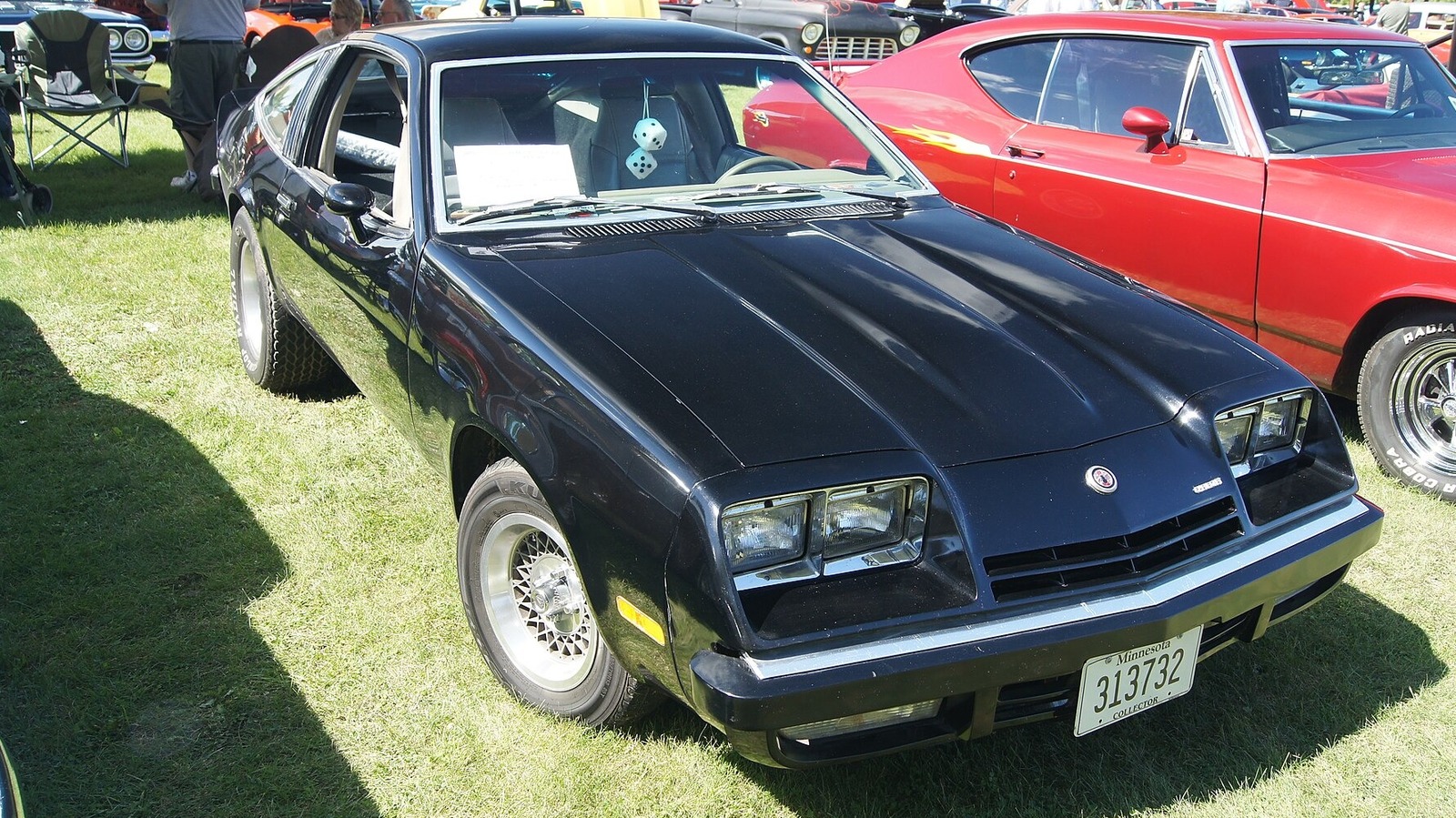
1975 की Chevrolet Monza V8 याद दिलाती है कि वाहन डिज़ाइन की समस्याएं हमेशा सीधे विफलता के रूप में नहीं आतीं। कभी-कभी समस्या बिक्री के बाद शुरू होती है, जब सामान्य रखरखाव दबाव में लिए गए पैकेजिंग फैसलों से टकराता है। Jalopnik के अनुसार, V8-चालित Monza में एक स्पार्क प्लग स्टीयरिंग कॉलम के इतना करीब था कि उसे बदलने के लिए इंजन उठाना पड़ सकता था।
यह बात सिर्फ इसलिए चौंकाती नहीं कि यह आज के मानकों पर असंभव-सी लगती है, बल्कि इसलिए भी कि यह किसी असाधारण प्रतिबंधों वाली खास मशीन में नहीं, बल्कि एक मुख्यधारा की उत्पादन कार में थी। Monza की कहानी दिखाती है कि नियमों में बदलाव, उत्पाद का समय, और आखिरी वक्त की इंजीनियरिंग अदला-बदली कैसे मिलकर असुविधाजनक और महंगे सर्विस परिणाम पैदा कर सकते हैं।
उत्सर्जन-युग ने पुनःडिज़ाइन को मजबूर किया
रिपोर्ट के मुताबिक, General Motors ने शुरू में Monza में Wankel रोटरी इंजन इस्तेमाल करने की योजना बनाई थी। लेकिन 1974 की शुरुआत तक, उत्पादन से कुछ ही महीने पहले, यह स्पष्ट हो गया कि रोटरी इंजन मौजूदा उत्सर्जन और अन्य मानकों पर खरा नहीं उतरेगा। योजना रोक दी गई और बाद में पूरी तरह छोड़ दी गई, और Monza को पारंपरिक GM इंजनों के लिए फिर से डिज़ाइन किया गया।
उन विकल्पों में से एक 1975 मॉडल वर्ष के लिए 4.2-लीटर V8 था। यह Chevrolet का सबसे छोटा small-block था, फिर भी Monza के इंजन बे में आराम से फिट होने के लिए यह बड़ा साबित हुआ। नतीजा एक ऐसा तंग पैकेज था, जो बदलते संघीय सुरक्षा और उत्सर्जन नियमों, ईंधन-दक्षता के दबाव और 1970 के दशक के मध्य के उद्योगगत उथल-पुथल से आकार लिया था।
एक साधारण ट्यून-अप ने कमजोरी उजागर कर दी
Jalopnik ने The New York Times में प्रकाशित Associated Press की एक रिपोर्ट का हवाला दिया, जो Monza बिक्री शुरू होने के लगभग पाँच महीने बाद छपी थी। उस रिपोर्ट में बताया गया कि नंबर तीन स्पार्क प्लग को हटाने के लिए इंजन को आधा इंच उठाना पड़ सकता था। एक GM प्रवक्ता के हवाले से कहा गया कि प्रूविंग ग्राउंड पर जांची गई Monza कारों में इतनी चरम कार्रवाई की जरूरत नहीं पड़ी थी और इसका कारण उत्पादन-भिन्नता बताया गया।
हर कार में सही कारण चाहे जो भी रहा हो, सुझाई गई सर्विस प्रक्रिया बहुत कुछ कहती है। स्पार्क प्लग बदलने के समय GM के निर्देशों में कार को उठाना, इंजन माउंट ढीले करना, और फिर पहुंच बनाने के लिए इंजन को पर्याप्त ऊंचाई तक जैक करना शामिल था। जिस काम को मालिक आम तौर पर बुनियादी रखरखाव मानते हैं, उसके लिए यह एक स्पष्ट डिज़ाइन विफलता है।
Monza आज भी क्यों मायने रखती है
Monza का उदाहरण केवल nostalgia से आगे इसलिए महत्वपूर्ण है क्योंकि यह एक दोहराता हुआ इंजीनियरिंग tradeoff दिखाता है। जब किसी प्लेटफ़ॉर्म पर ऐसा हार्डवेयर स्वीकार करने का दबाव पड़ता है, जिसके लिए वह मूल रूप से अनुकूलित नहीं था, तो पहला दिखाई देने वाला परिणाम अक्सर यह होता है कि उत्पाद लॉन्च हो जाता है। दूसरा परिणाम, जो अक्सर बाद में सामने आता है, यह होता है कि serviceability की बलि दे दी गई है।
Monza के मामले में व्यापक संदर्भ ने समस्या को और बढ़ा दिया। यह कार ऐसे दौर में सामने आई जब automakers एक साथ Clean Air Act, 5-mph बम्पर नियमों, ऊर्जा संकट और Corporate Average Fuel Economy के दबाव का सामना कर रहे थे। इन परस्पर जुड़ी मांगों ने elegant समाधानों के लिए जगह कम कर दी। इसलिए Monza V8 सिर्फ एक विचित्र असुविधा नहीं थी। यह इस बात का case study थी कि बाहरी बाधाएं mechanic की wrench तक कैसे पहुंचती हैं।
यह कहानी क्यों महत्वपूर्ण है
- Monza V8 दिखाती है कि नियामकीय और packaging दबाव serviceability को कैसे कमजोर कर सकते हैं।
- कुछ कारों में एक सामान्य spark-plug change reportedly engine-lifting प्रक्रिया बन गई।
- 1970 के दशक की कार डिज़ाइन में serviceability tradeoffs पर यह एक उपयोगी ऐतिहासिक सबक है।
आज का automotive उद्योग अलग-अलग constraints का सामना करता है, लेकिन मूल सबक वही है: launch समस्या हल करने वाले engineering decisions, यदि service access को secondary माना जाए, तो वर्षों तक maintenance pain पैदा कर सकते हैं।
यह लेख Jalopnik की रिपोर्टिंग पर आधारित है। मूल लेख पढ़ें.
Originally published on jalopnik.com