NASA अपने अगले चंद्रमा मिशनों के चरण के लिए एक कक्षीय rehearsal तैयार कर रहा है
NASA अपने Artemis चंद्र अभियान के सबसे नाज़ुक हिस्सों में से एक का एक पूरा dress rehearsal तैयार कर रहा है: Orion से astronauts को एक commercial moon lander में और वापस ले जाना, इससे पहले कि चंद्रमा के पास वास्तविक landing की कोशिश की जाए। एजेंसी की वर्तमान योजना के अनुसार, यह rehearsal पृथ्वी की कक्षा में होगा, उस crewed lunar surface return से पहले जिसका लक्ष्य अब 2028 रखा गया है।
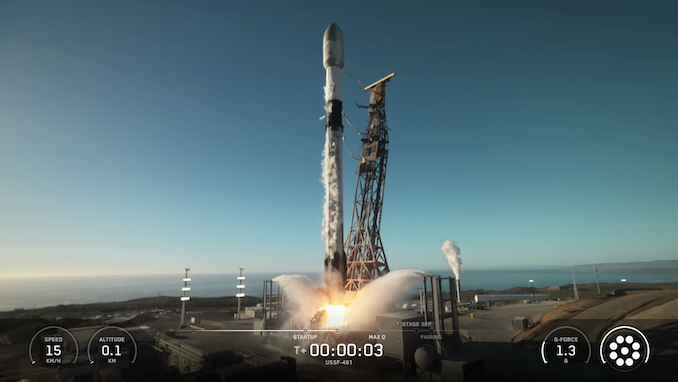
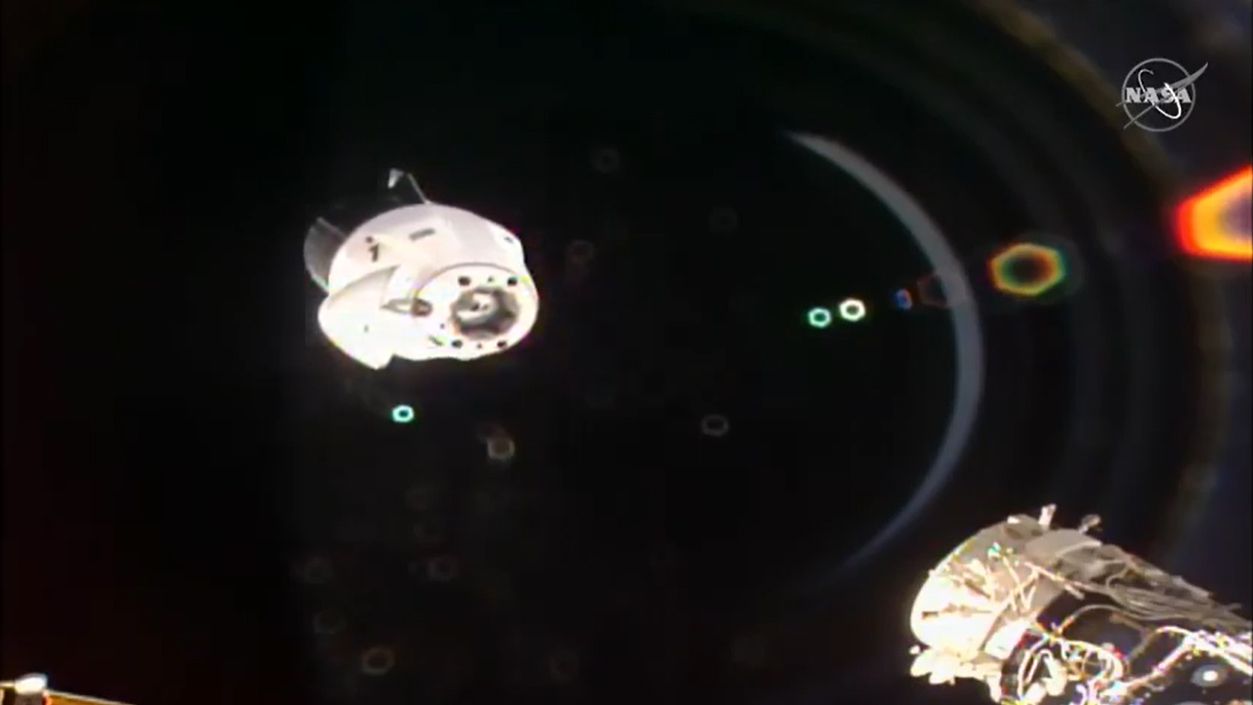
स्रोत रिपोर्ट में वर्णित यह परीक्षण उस परिचालन अनुक्रम का अनुकरण करने के लिए बनाया गया है जिसे astronauts और flight controllers को अंततः एक lunar mission के दौरान निष्पादित करना होगा। SLS पर Orion में प्रक्षेपित crew low Earth orbit में अलग से लॉन्च किए गए Human Landing System से मिलेगी, फिर ground teams के समर्थन से rendezvous और docking operations, crew transfer procedures, और संबंधित checks करेगी।
यह procedural लग सकता है, लेकिन यह Artemis की एक केंद्रीय वास्तविकता को संबोधित करता है: NASA अब मिशन stack का हर critical हिस्सा खुद नहीं बना रहा है। इसके बजाय, वह SpaceX और Blue Origin के commercial landing systems पर निर्भर है, जिससे interface testing, operational discipline, और systems integration की सफलता raw launch capability जितनी ही महत्वपूर्ण हो जाती है।
यह rehearsal क्यों महत्वपूर्ण है
स्रोत पाठ इस demonstration को astronauts द्वारा असली lunar descent का प्रयास करने से पहले जोखिम कम करने के तरीके के रूप में प्रस्तुत करता है। यह लक्ष्य सीधा है। अलग-अलग लॉन्च किए गए वाहनों पर आधारित lunar mission सटीक timing, भरोसेमंद docking hardware, compatible software, स्थिर life-support conditions, और स्पष्ट crew procedures पर निर्भर करता है। कोई भी कमज़ोरी तब अधिक गंभीर हो जाती है जब operation पृथ्वी से बहुत दूर और कड़े mission timeline पर हो रहा हो।
पृथ्वी की कक्षा में पहले इस sequence को staging करके, NASA यह आकलन कर सकता है कि vehicle और crew अधिक सुलभ वातावरण में कैसे प्रदर्शन करते हैं। rehearsal से प्राप्त data, साथ ही Moon पर एक uncrewed demonstration mission, crewed landing architecture में उपयोग से पहले systems को validate करने में मदद करने के लिए है।
यह ज़ोर आधुनिक human spaceflight से एक व्यापक सबक दिखाता है: जटिल exploration programs अक्सर किसी एक नाटकीय milestone से कम और बीच के चरणों की गुणवत्ता से अधिक सीमित होते हैं। Docking, crew ingress और egress, suit operations, avionics coordination, और environmental controls वे उप-प्रणालियाँ हैं जिन्हें बिना अस्पष्टता के साथ काम करना चाहिए।

Artemis को कैसे संरचित किया जा रहा है
रिपोर्ट कहती है कि NASA को उम्मीद है कि Artemis IV, 2028 में, SLS और Orion पर चार astronauts को lunar orbit में भेजेगा। उन crew सदस्यों में से दो फिर lunar surface तक और वापस जाने के लिए Human Landing System में स्थानांतरित होंगे। इस landing profile के उपयोग से पहले, एजेंसी चाहती है कि Artemis III transfer और docking sequence के लिए proving ground का काम करे।
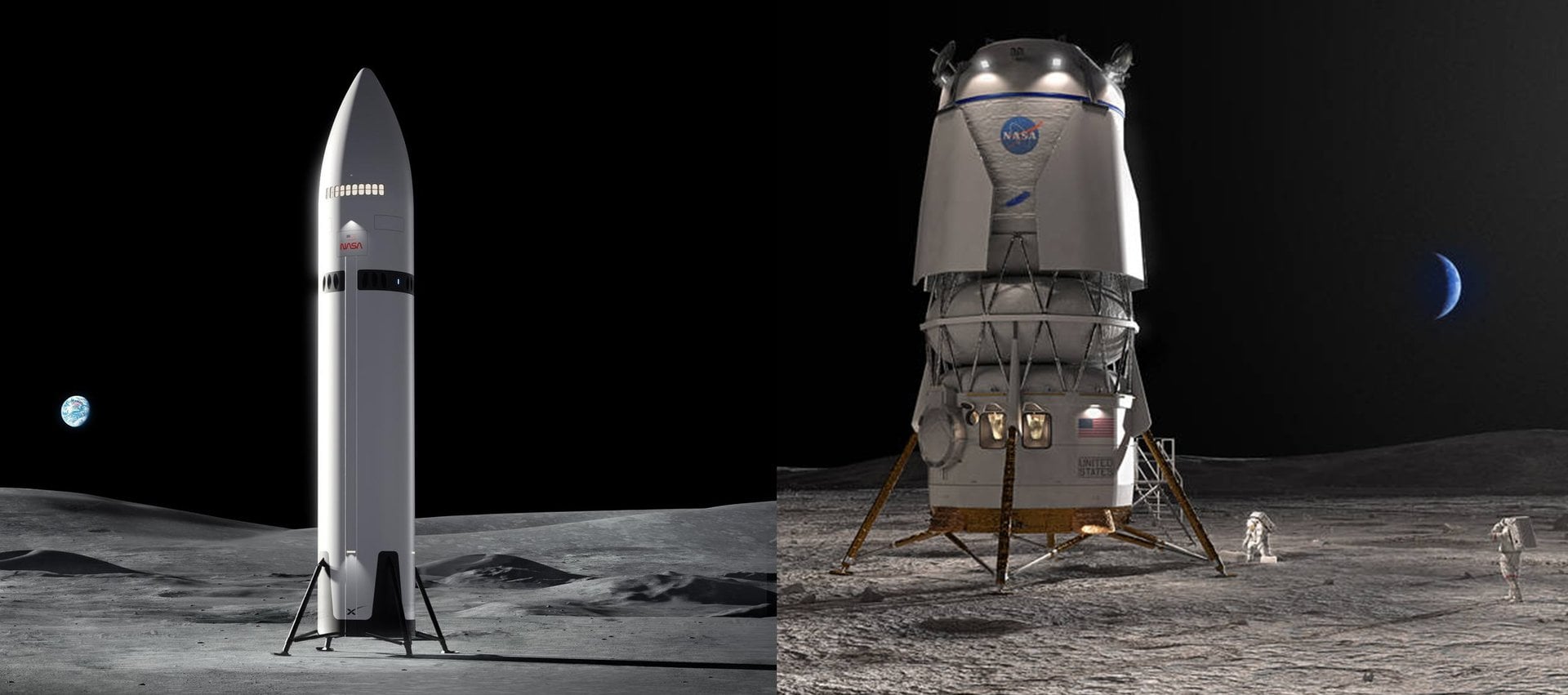
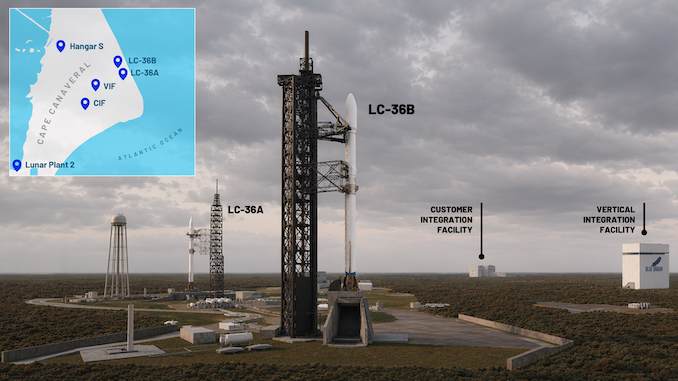
वर्णित व्यवस्था के तहत, SpaceX और Blue Origin दोनों आगामी Artemis missions से जुड़े landers विकसित कर रहे हैं। Artemis III demonstration के लिए, प्रत्येक कंपनी अपने crewed vehicle का test version, अपने अलग rocket पर लॉन्च करके उड़ाने की उम्मीद है। SpaceX एक नए Starship configuration का उपयोग करेगा, जबकि Blue Origin अपने Mark 2 Blue Moon lander का परीक्षण करेगा।
यह demonstration केवल एक सामान्य practice run नहीं है। यह इस बात का परीक्षण भी है कि NASA का exploration program कई commercial providers के साथ कैसे काम करेगा जो mission-critical hardware दे रहे हैं। landers secondary cargo elements नहीं हैं; वे वही वाहन हैं जो astronauts को lunar surface तक और वापस ले जाएंगे। इसलिए उनका design maturity, software behavior, और operational compatibility mission assurance के केंद्र में हैं।
NASA कक्षा में क्या परीक्षण करना चाहता है
स्रोत रिपोर्ट कुछ विशिष्ट capabilities की ओर इशारा करती है जो demonstration hardware में होनी चाहिए। test vehicles में flight software और control systems ऐसे स्तर के होने की उम्मीद है जो future crewed lunar flights के लिए mission operations को सीधे translate करने दें। production hardware में essential human-spaceflight systems भी होने चाहिए, जिनमें avionics, crew cabin, और environmental control तथा life support capabilities शामिल हैं।
एक बार docking होने के बाद, दो Artemis crew members Orion Crew Survival System suits पहनेंगे, hatch खोलेंगे, और landing craft में स्थानांतरित होंगे। यह कदम संक्षेप में आसान, और ठीक से करना कठिन है। अंतरिक्ष में crew transfer के लिए आश्वस्त procedures, ergonomic interior design, pressure integrity, और tightly coordinated timelines की जरूरत होती है। Moon के प्रयास से पहले इन कार्यों का अभ्यास NASA और उसके partners को hardware और choreography, दोनों को परिष्कृत करने का मौका देता है।
रिपोर्ट में जोड़ा गया है कि Blue Origin का lander lunar surface spacesuit mass simulator ले जाएगा, जो Artemis I में उपयोग किए गए instrumented “Moonikin” की याद दिलाता है। simulator के sensors cabin environment के बारे में real time feedback देंगे। दूसरे शब्दों में, NASA केवल docking event के यांत्रिक रूप से काम करने में नहीं, बल्कि operation के human हिस्से के दौरान interior conditions और support systems के अपेक्षित व्यवहार में भी रुचि रखता है।
एक commercial test जिसके रणनीतिक निहितार्थ हैं
Artemis architecture increasingly commercial systems पर निर्भर करती है, न केवल क्षमता बढ़ाने के लिए, बल्कि पूरे अभियान को संभव बनाने के लिए। इससे NASA के सामने एक अलग तरह की रणनीतिक चुनौती आती है। एजेंसी को अलग engineering cultures, development tempos, और hardware lineages वाले संगठनों में mission assurance समन्वित करनी होगी, जबकि crewed exploration program से अपेक्षित reliability standard भी बनाए रखना होगा।
इसलिए Earth-orbit rehearsal अपने तत्काल technical checklist से आगे भी उपयोगी है। यह यह स्थापित करने में मदद करता है कि क्या NASA एक mixed architecture को operationalize कर सकता है, जिसमें government-owned transportation, contractor-built landing systems, और mission control workflows मिलकर एक coherent human-rated system बनाते हैं।
यह कम कठोर परिस्थितियों में सीखने का अवसर भी देता है। पृथ्वी की कक्षा में पाए गए problems गंभीर तो हैं, लेकिन वे lunar campaign के दौरान पहली बार सामने आने वाली विफलताओं की तुलना में diagnosis और correction के लिए आसान हैं। rehearsal missions का यही कारण है: वे assumptions को observed performance में बदलते हैं।
अब आगे क्या देखना है
अगर योजना बनी रहती है, तो अगले बड़े संकेत यह होंगे कि demonstration hardware समय पर उड़ान भरता है या नहीं, test systems कितनी हद तक eventual operational versions से मेल खाते हैं, और orbital exercise तथा uncrewed lunar demonstration से सीखे गए सबकों के बारे में NASA सार्वजनिक रूप से क्या कहता है। इन्हीं विवरणों से तय होगा कि Artemis कागज़ी architecture से repeatable mission execution तक जा पाती है या नहीं।
अभी के लिए, rehearsal का महत्व स्पष्ट है। NASA की चंद्र सतह पर वापसी केवल symbolism पर निर्भर नहीं करेगी। यह इस पर निर्भर करेगी कि astronauts वास्तविक descent के लिए प्रतिबद्ध होने से पहले नई पीढ़ी के commercial lunar landers में सुरक्षित रूप से मिल, dock, transfer, और operate कर सकते हैं या नहीं। यह Earth-orbit mission वह जगह है जहाँ वह भरोसा अर्जित किया जाना है।
यह लेख Universe Today की रिपोर्टिंग पर आधारित है। मूल लेख पढ़ें.
Originally published on universetoday.com