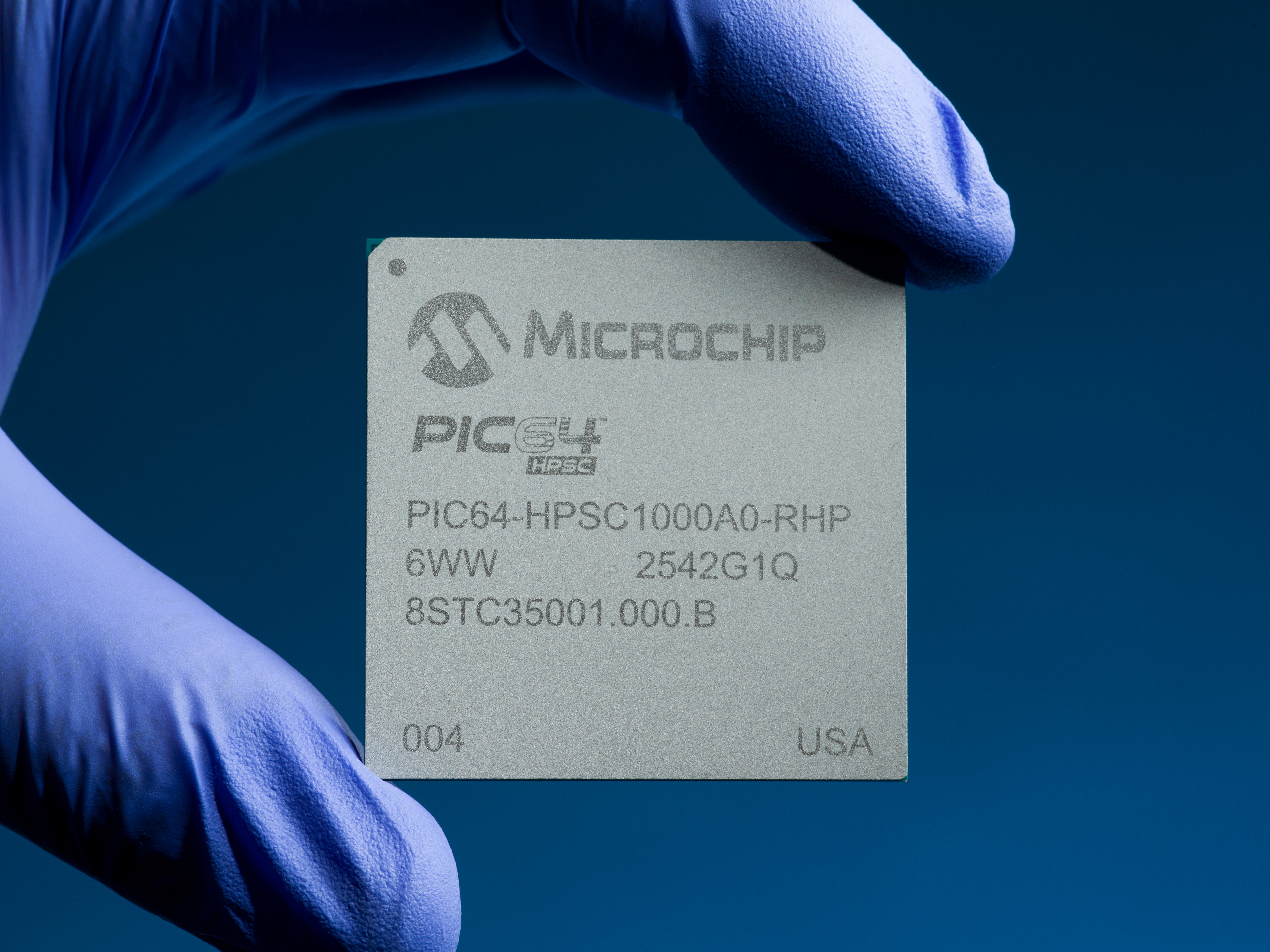
अंतरिक्षयान कंप्यूटिंग को आखिरकार एक पीढ़ीगत उन्नयन मिल रहा है
दशकों से अंतरिक्ष मिशनों में ऐसे रेडिएशन-हार्डनड प्रोसेसरों पर भरोसा किया जाता रहा है जो कच्चे प्रदर्शन की तुलना में टिकाऊपन को प्राथमिकता देते हैं। जब अंतरिक्षयान को मुख्यतः कठोर वातावरण में जीवित रहना होता था और बहुत सख्ती से परिभाषित कार्य करने होते थे, तब यह समझौता तर्कसंगत था। लेकिन जैसे-जैसे मिशन अधिक स्वायत्त, डेटा-गहन और परिचालन रूप से जटिल होते जा रहे हैं, यह समझौता अब कम पर्याप्त होता जा रहा है।
NASA अब कहता है कि वह Microchip Technology के साथ मिलकर एक अगली पीढ़ी का समाधान विकसित कर रहा है: एक High-Performance Spaceflight Computing system-on-chip, जिसे मौजूदा स्पेस प्रोसेसरों की तुलना में 100 गुना से अधिक कंप्यूटिंग क्षमता देने के लिए डिज़ाइन किया गया है। यदि यह परियोजना अपेक्षा के अनुरूप काम करती है, तो यह भविष्य के अंतरिक्षयान के सेंसरिंग, नेविगेशन, निर्णय-निर्माण और ऑनबोर्ड डेटा प्रोसेसिंग के तरीके को बदल सकती है।
पुराने आर्किटेक्चर अपनी सीमाओं तक क्यों पहुंच रहे हैं
पारंपरिक स्पेस प्रोसेसरों का रिकॉर्ड मजबूत रहा है। उन्होंने ऑर्बिटर से लेकर कैप्सूल और मंगल रोवर्स तक, कई मिशनों को शक्ति दी और मजबूत, फॉल्ट-टॉलरेंट डिज़ाइन की इंजीनियरिंग संस्कृति को आकार देने में मदद की। लेकिन आधुनिक अन्वेषण के लक्ष्य ऑनबोर्ड कंप्यूटिंग की भूमिका बदल रहे हैं।
भविष्य के अंतरिक्षयानों से अपेक्षा की जाती है कि वे बड़े सेंसर लोड, अधिक परिष्कृत स्वायत्तता, मजबूत साइबरसुरक्षा आवश्यकताओं और कठोर वातावरण में लंबे मिशन काल को संभालें। चाहे मिशन कोई डीप-स्पेस प्रोब हो, चंद्र प्रणाली हो, या वाणिज्यिक लो अर्थ ऑर्बिट प्लेटफ़ॉर्म, ऑनबोर्ड प्रोसेस किए जाने वाले डेटा की मात्रा तेज़ी से बढ़ रही है। हर चीज़ को व्याख्या के लिए पृथ्वी पर वापस भेजना अक्सर बहुत धीमा, बहुत महंगा या बस असंभव होता है।
यह दबाव स्पेस सिस्टम को उस मॉडल की ओर धकेल रहा है, जिसमें अधिक बुद्धिमत्ता खुद वाहन पर ही रहनी चाहिए।

नया प्लेटफ़ॉर्म क्या देने वाला है
NASA इस नए प्रयास को संगत प्रोसेसरों के एक परिवार के रूप में वर्णित करता है, जिसमें मिशन के अनुसार स्केलेबल विकल्प होंगे। रेडिएशन-हार्डनड संस्करण को जियोसिंक्रोनस, डीप-स्पेस और चंद्रमा, मंगल तथा उससे आगे के लंबे मिशनों के लिए बनाया गया है। रेडिएशन-टॉलरेंट संस्करण का लक्ष्य वाणिज्यिक अंतरिक्ष क्षेत्र है, विशेषकर लो अर्थ ऑर्बिट उपग्रह, जिन्हें डीप-स्पेस स्तर की हार्डनिंग के बिना भी फॉल्ट टॉलरेंस और साइबरसुरक्षा की ज़रूरत होती है।
यह सिस्टम कंप्यूटिंग और नेटवर्किंग को एक ही डिवाइस में एकीकृत करता है, जिसे NASA के अनुसार लागत और बिजली की खपत दोनों कम करने में मदद मिल सकती है। यह एक स्केलेबल आर्किटेक्चर भी इस्तेमाल करता है, जिसमें अप्रयुक्त फ़ंक्शन बंद किए जा सकते हैं, जो उन मिशनों में विशेष रूप से महत्वपूर्ण है जहाँ ऊर्जा बजट बहुत सीमित होते हैं।
यह आर्किटेक्चर संकेत देता है कि NASA केवल पीक परफ़ॉर्मेंस नहीं, बल्कि समग्र मिशन दक्षता सुधारने की कोशिश कर रहा है। अंतरिक्ष प्रणालियों में कंप्यूटिंग शक्ति तभी उपयोगी है जब उसे द्रव्यमान, ऊष्मा और बिजली की सख्त सीमाओं के भीतर उपलब्ध कराया जा सके।
असल पुरस्कार स्वायत्तता है
सबसे महत्वपूर्ण विशेषता शायद प्लेटफ़ॉर्म की कच्ची बेंचमार्क क्षमता नहीं, बल्कि वह है जिसे यह संभव बनाता है। NASA का कहना है कि यह तकनीक अंतरिक्षयान को भारी मात्रा में डेटा ऑनबोर्ड प्रोसेस करने और वास्तविक समय में स्वायत्त निर्णय लेने में सक्षम कर सकती है। दिए गए उदाहरण संकेतक हैं: रोवर्स को अधिक गति से चलाना और वैज्ञानिक चित्रों को प्रसारण से पहले फ़िल्टर करना।
दोनों उसी बदलाव की ओर इशारा करते हैं। पृथ्वी-आधारित निर्देशों का इंतज़ार करने वाले दूरस्थ टर्मिनलों की तरह काम करने के बजाय, भविष्य के अंतरिक्षयान अधिकाधिक डेटा छाँट सकते हैं, स्थानीय परिस्थितियों का प्रबंधन कर सकते हैं, और मानव हस्तक्षेप के बिना कम समय-सीमा में कार्रवाई कर सकते हैं। जैसे-जैसे मिशन पृथ्वी से दूर जाते हैं, जहाँ संचार विलंब लगातार निगरानी को अव्यावहारिक बना देता है, इस तरह की स्वायत्तता और मूल्यवान हो जाती है।
मल्टीपल सेंसरों को जोड़ने या कई चिप्स को क्लस्टर करने के लिए उन्नत Ethernet का उपयोग भी अधिक मॉड्यूलर और वितरित अंतरिक्षयान कंप्यूटिंग डिज़ाइनों की ओर संकेत करता है। एक ही प्रोसेसर को बाधा बनने देने के बजाय, भविष्य की प्रणालियाँ नेटवर्क्ड कंप्यूटिंग वातावरण की तरह व्यवहार कर सकती हैं।

स्पेस इलेक्ट्रॉनिक्स के लिए सार्वजनिक-निजी मॉडल
यह परियोजना NASA और Microchip के निवेश को मिलाने वाली एक सार्वजनिक-निजी साझेदारी के रूप में भी उल्लेखनीय है। यह दृष्टिकोण अंतरिक्ष प्रौद्योगिकी में एक व्यापक प्रवृत्ति को दर्शाता है, जहाँ एजेंसियाँ केवल पूरी तरह कस्टम सरकारी हार्डवेयर बनाने के बजाय व्यावसायिक रूप से प्रासंगिक प्लेटफ़ॉर्म को आकार देने की कोशिश करती हैं।
यदि यह सफल होता है, तो रेडिएशन-हार्डनड और रेडिएशन-टॉलरेंट संस्करणों के बीच का विभाजन सिविल डीप-स्पेस अन्वेषण और वाणिज्यिक कक्षीय बाज़ारों के बीच एक सेतु बना सकता है। यह महत्वपूर्ण है क्योंकि अधिक मजबूत वाणिज्यिक अपनाव स्केल, इकोसिस्टम समर्थन और विशेष हार्डवेयर प्लेटफ़ॉर्म की दीर्घकालिक स्थिरता को बढ़ावा दे सकता है।
यह अभी क्यों मायने रखता है
अंतरिक्ष मिशन ऐसे दौर में प्रवेश कर रहे हैं, जहाँ ऑनबोर्ड कंप्यूटिंग वर्षों में पहले से अधिक एक रणनीतिक विभेदक बन सकती है। हाई-रिज़ॉल्यूशन सेंसर, स्वायत्त संचालन, अंतरिक्षयान साइबरसुरक्षा और रोबोटिक गतिशीलता सभी बेहतर प्रोसेसिंग क्षमता पर निर्भर करते हैं। इस संदर्भ में, 100 गुना सुधार का दावा सिर्फ़ तकनीकी बढ़ोतरी नहीं है। यह उन चीज़ों में बदलाव का संकेत देता है जिन्हें मिशन व्यावहारिक रूप से आज़मा सकते हैं।
NASA की घोषणा का अर्थ यह नहीं है कि नए चिप्स तुरंत हर जगह विरासत प्रणालियों की जगह ले लेंगे। स्पेस-योग्य इलेक्ट्रॉनिक्स के सत्यापन में समय लगता है, और विश्वसनीयता से कोई समझौता नहीं किया जा सकता। लेकिन दिशा स्पष्ट है। ऐसे प्रोसेसरों के साथ काम चलाने का दौर, जो मज़बूत तो हैं लेकिन तुलनात्मक रूप से सीमित हैं, अब उस युग को स्थान दे रहा है जिसमें टिकाऊपन और वास्तविक कंप्यूटिंग शक्ति, दोनों एक साथ अपेक्षित हैं।
यह केवल भविष्य के चंद्र और मंगल मिशनों को ही नहीं, बल्कि व्यापक अंतरिक्ष उद्योग की डिज़ाइन धारणाओं को भी आकार देगा।
यह लेख NASA की रिपोर्टिंग पर आधारित है। मूल लेख पढ़ें.

Originally published on nasa.gov