मंगल ग्रह सुरक्षा का एक कमजोर लेकिन वास्तविक रूप दिखाता है
NASA के MAVEN मिशन से मिला एक नया परिणाम बताता है कि अपने वैश्विक चुंबकमंडल की अनुपस्थिति के बावजूद मंगल ग्रह सौर पवन के सामने उतना असुरक्षित नहीं है जितना माना जा सकता है। रिपोर्ट किए गए शोध के अनुसार, सही परिस्थितियों में ग्रह का ionosphere अब भी आने वाले कुछ आवेशित कणों को मोड़ सकता है, जिससे पृथ्वी के चुंबकीय ढाल से अलग एक planetary protection mechanism मिलता है।
यह खोज तथाकथित Zwan-Wolf effect पर केंद्रित है, जो आम तौर पर मजबूत dipole magnetic fields वाले ग्रहों से जुड़ा होता है। पृथ्वी पर, solar wind के आवेशित कण जब उसके magnetic field से टकराते हैं, तो ग्रह के चारों ओर प्रवाहित होने के लिए मजबूर हो जाते हैं। यह shielding effect एक मूल कारण है कि पृथ्वी भूवैज्ञानिक समय-मान में अपना वायुमंडल और सतही स्थितियाँ बनाए रख पाती है।
मंगल में इस तरह का वैश्विक magnetic field नहीं है। उसकी प्राचीन dynamo बहुत पहले बंद हो गई थी, और आज ग्रह ठंडा, शुष्क और कहीं अधिक खुला है। यही कारण है कि नया अवलोकन महत्वपूर्ण है। रिपोर्ट किए गए अध्ययन के अनुसार, मंगल का ionosphere, जो उसके वायुमंडल की विद्युत-आवेशित ऊपरी परत है, Zwan-Wolf effect का एक रूप उत्पन्न कर सकता है।
एक coronal mass ejection ने सही प्राकृतिक प्रयोग बनाया
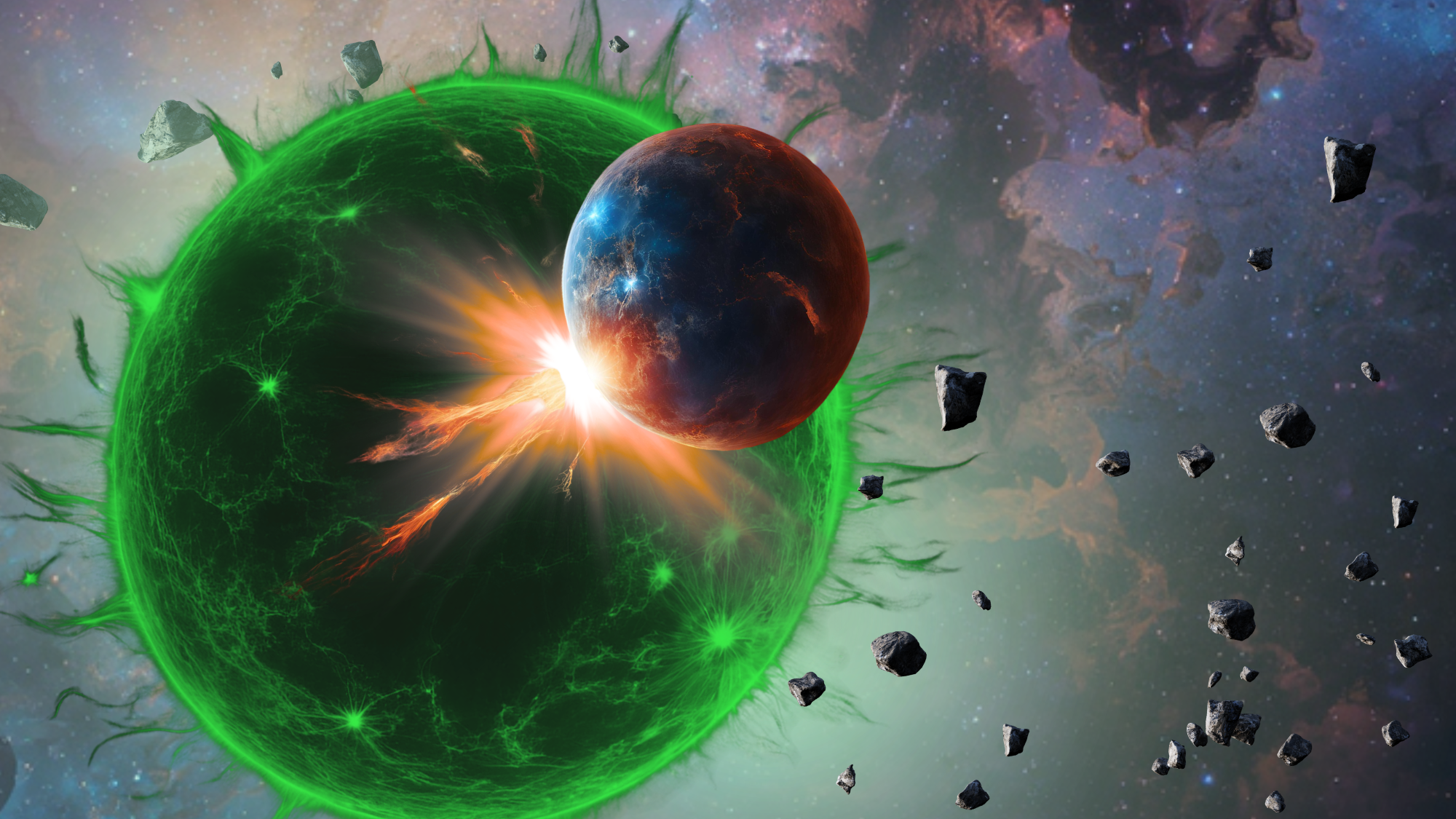
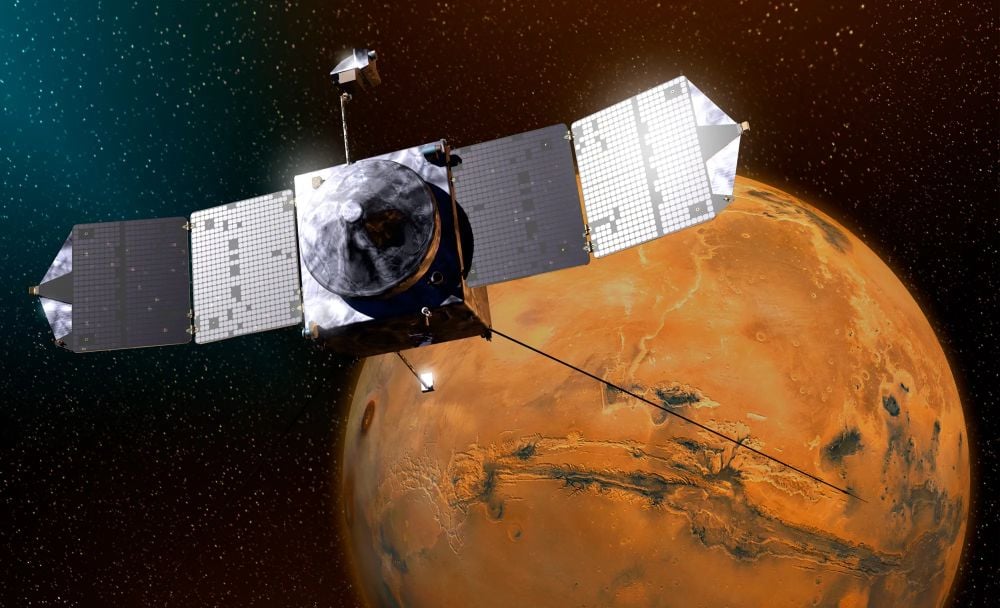
इस साक्ष्य का स्रोत 2023 की एक भाग्यशाली घटना थी, जब MAVEN ने एक coronal mass ejection को मंगल के वायुमंडल से टकराते देखा। मिशन मूल रूप से 2014 में मंगल पर पहुँचा था ताकि वायुमंडलीय क्षय और ऊपरी वायुमंडल तथा ionosphere की संरचना का अध्ययन कर सके। संचालन के एक दशक से अधिक समय बाद भी spacecraft एक असामान्य रूप से तेज़ solar disturbance को पकड़ने की स्थिति में था।
सामान्य परिस्थितियों में, मंगल जैसे unmagnetized world पर प्रभाव कथित तौर पर इतना कमजोर होता है कि MAVEN उसे स्पष्ट रूप से नहीं पकड़ पाता। coronal mass ejection ने ग्रह पर solar-wind pressure को नाटकीय रूप से बढ़ाकर यह बदल दिया। ऐसा करके उसने वह स्थिति बनाई जिसकी वैज्ञानिकों को ionosphere को deflecting barrier के रूप में काम करते हुए देखने के लिए ज़रूरत थी।
इसका मतलब यह नहीं कि मंगल अचानक पृथ्वी जैसा व्यवहार करने लगा। यह सुरक्षा आंशिक, परिस्थितिजन्य और एक अलग भौतिक तंत्र पर आधारित है। लेकिन इसका मतलब यह ज़रूर है कि magnetized और unmagnetized worlds के बीच की रेखा उतनी सरल नहीं है जितना पूरी तरह सुरक्षित बनाम पूरी तरह खुला।
यह मंगल से परे क्यों मायने रखता है
इसका व्यापक महत्व planetary है। यदि कोई ionosphere वैश्विक dipole field के बिना भी कुछ सुरक्षा दे सकता है, तो शोधकर्ताओं को ऐसे ग्रहों और चंद्रमाओं पर वायुमंडलीय अस्तित्व के बारे में अधिक सावधानी से सोचना पड़ सकता है जो पृथ्वी जैसे नहीं हैं।
यह इस बात को प्रभावित कर सकता है कि वैज्ञानिक atmospheric escape, habitability, और तारों तथा ग्रहों के वायुमंडलों के बीच लंबे समय के अंतःक्रिया को कैसे model करते हैं। यह सक्रिय तारों के आसपास के exoplanets के लिए भी महत्वपूर्ण हो सकता है, जहाँ तीव्र stellar weather यह तय करने में बड़ी भूमिका निभा सकता है कि कोई वायुमंडल बना रहता है या नहीं।
यह परिणाम MAVEN की लंबी वैज्ञानिक भूमिका के अनुरूप है। मिशन के मुख्य लक्ष्यों में से एक यह समझना रहा है कि मंगल ने समय के साथ अपना बहुत-सा वायुमंडल कैसे खो दिया। erosion और protection के बीच संतुलन को स्पष्ट करने वाला हर नया अवलोकन उस इतिहास को परिष्कृत करने में मदद करता है।
यह लंबे समय तक चलने वाले planetary missions के मूल्य को भी दिखाता है। एक साल का prime mission एक दशक से अधिक के atmospheric science में बदल गया, इतना लंबा कि एक दुर्लभ और वैज्ञानिक रूप से उपयोगी घटना देखी जा सके। इस निरंतरता के बिना, यह अवलोकन छूट सकता था।
गैर-चुंबकीय होने का अर्थ फिर से परिभाषित करना
रिपोर्ट किया गया detection मंगल को एक ऐसे विश्व के रूप में देखने की बड़ी तस्वीर को उलटता नहीं है जिसने अपना वैश्विक magnetic shield खोने के बाद भारी वायुमंडलीय क्षति झेली। लेकिन यह उस तस्वीर को रचनात्मक रूप से जटिल बनाता है। magnetosphere-रहित ग्रहों को stellar wind के निष्क्रिय लक्ष्य मानने के बजाय, यह काम संकेत देता है कि वे सीमित रूपों में प्रतिरोध अब भी कर सकते हैं।
- अध्ययन में देखे गए प्रभाव को dipole magnetic field के बजाय मंगल के ionosphere से जोड़ा गया है।
- 2023 की coronal mass ejection ने संभवतः प्रभाव को MAVEN की detection threshold से ऊपर धकेला।
- यह परिणाम atmospheric escape और exoplanet habitability के मॉडलों को सूचित कर सकता है।
planetary scientists के लिए यह संयोजन महत्वपूर्ण है। इसका मतलब है कि मंगल अब भी न केवल अपने अतीत के बारे में, बल्कि पूरे ब्रह्मांड के विश्व अपने तारों के आसपास के hostile environments के साथ कैसे अंतःक्रिया करते हैं, इस बारे में भी सबक दे रहा है।
यह लेख Universe Today की रिपोर्टिंग पर आधारित है। मूल लेख पढ़ें.
Originally published on universetoday.com