Curiosity एक उत्पादक पड़ाव से अगले चढ़ाव की ओर जा रहा है
NASA के Curiosity रोवर ने मंगल पर अपने लंबे समय से चल रहे मिशन के एक और महत्वपूर्ण चरण को पूरा कर लिया है। मिशन टीम के अनुसार, यह रोवर की 47वीं सफल ड्रिलिंग कार्रवाई थी, और इसके बाद Campo Marte ड्रिल स्थल पर काम समेट लिया गया।
यह अपडेट NASA के मिशन ब्लॉग से आता है, जिसमें sols 4908 से 4912 तक का विवरण है, और इसे The Open University की ग्रह-खनिज विज्ञानी Susanne P. Schwenzer के दृष्टिकोण से लिखा गया है। यह प्रविष्टि सुर्खियों वाली नहीं, बल्कि परिचालन प्रकृति की है, लेकिन यह Mount Sharp पर Curiosity के मिशन की एक केंद्रीय बात को पकड़ती है: मंगल विज्ञान अक्सर हर सफल ड्रिल के बाद धैर्यपूर्ण, व्यवस्थित अनुवर्ती कार्य के माध्यम से आगे बढ़ता है।
Campo Marte ठीक वैसा ही पड़ाव रहा होगा। ड्रिलिंग के कारण रोवर कुछ समय के लिए एक जगह रुका रहा, लेकिन टीम ने Curiosity को आगे और ऊपर भेजने से पहले मापों की एक घनी श्रृंखला करने के लिए इस विराम का उपयोग किया।
ड्रिल स्थल पर क्या हुआ
स्रोत पाठ के अनुसार, Campo Marte ड्रिलिंग अभियान को पिछले सप्ताह के अपडेट में पहले ही सफल पुष्टि मिल चुकी थी। इस बार का काम स्वयं ड्रिल के बाद होने वाली गतिविधियों पर केंद्रित था: नमूने का विश्लेषण, छेद का दस्तावेजीकरण, और आसपास की भूविज्ञान को समझना।
NASA के ऑनबोर्ड Chemistry and Mineralogy उपकरण, जिसे CheMin कहा जाता है, का उपयोग नमूने से खनिज-संबंधी डेटा प्राप्त करने के लिए किया गया। Sample Analysis at Mars उपकरण, या SAM, को वाष्पशील उत्सर्जनों की जांच का काम सौंपा गया। ये दोनों उपकरण मिलकर एक शक्तिशाली संयोजन बनाते हैं। एक खनिज संरचना की पहचान करने में मदद करता है, जबकि दूसरा गर्म किए गए नमूनों से निकलने वाली रासायनिक जानकारी को देखता है।
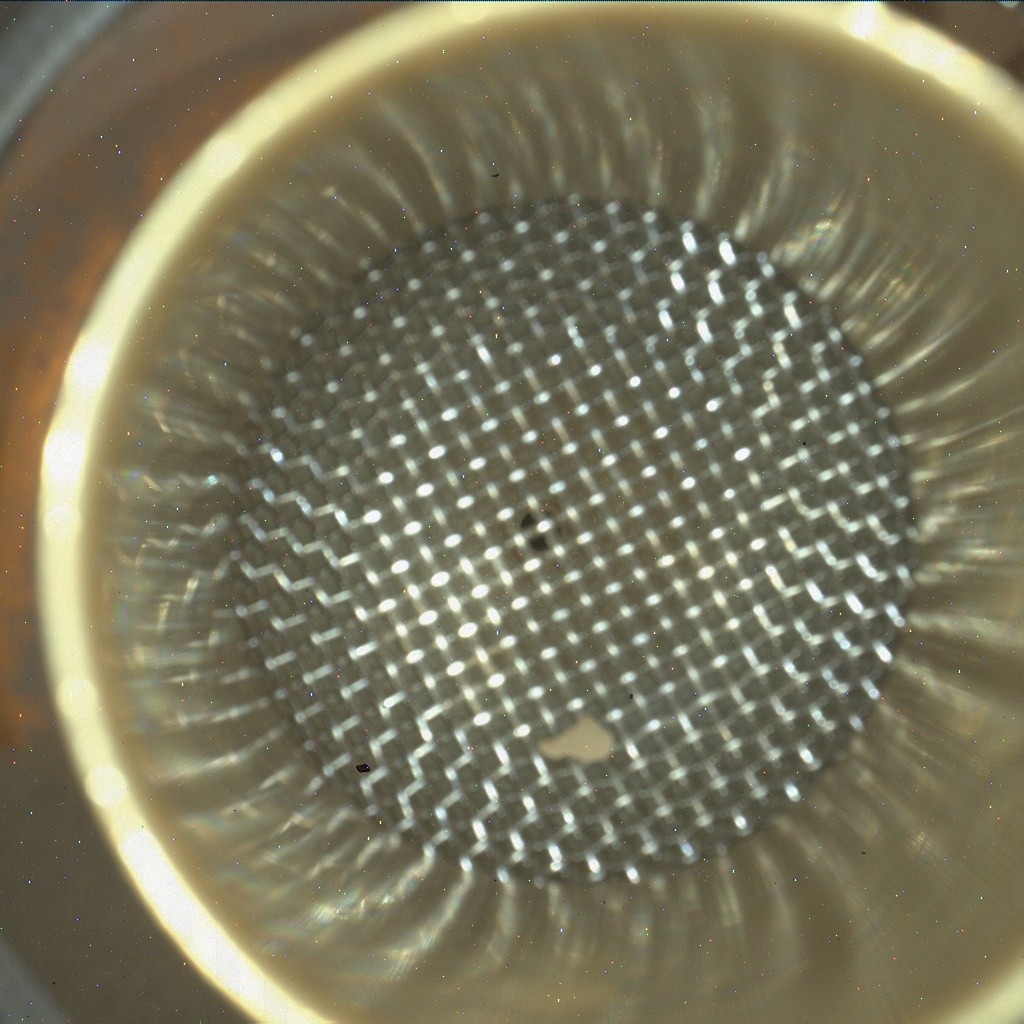
अन्य उपकरण भी सक्रिय थे। ChemCam, APXS, MAHLI और Mastcam ने ड्रिल छेद, ड्रिल फाइन्स, और कुल उपलब्ध नमूने की मात्रा का दस्तावेजीकरण किया। इस तरह का विस्तृत अनुवर्ती कार्य बेहद ज़रूरी है, क्योंकि ड्रिलिंग रोवर के सबसे अच्छे औजारों में से एक है जो मंगल की चट्टान की मौसम-प्रभावित बाहरी सतह के नीचे जाकर उस सामग्री तक पहुंचता है, जो अतीत की पर्यावरणीय परिस्थितियों का अधिक स्पष्ट रिकॉर्ड सुरक्षित रख सकती है।
छेद से परे इस पड़ाव का महत्व
Campo Marte स्थल केवल ड्रिल लक्ष्य से निकाले गए नमूने के बारे में नहीं था। टीम ने रोवर के स्थिर रहने की अवधि का उपयोग पास की भूवैज्ञानिक विशेषताओं का अध्ययन करने के लिए भी किया। स्रोत पाठ में वर्णित एक विशेष रूप से सटीक गतिविधि में ChemCam ने बारीक परतदार अवसादों में पास-पास स्थित दो अलग-अलग स्तरों को लक्ष्य बनाया।
Corcovado और Junakas नाम के ये मिलीमीटर-स्तरीय लक्ष्य लगभग 3 मीटर दूर थे। उद्देश्य यह जानना था कि क्या समीपवर्ती परतें रासायनिक रूप से भिन्न हैं या वे समान परिस्थितियों में बनी थीं। यह सुनने में संकुचित लग सकता है, लेकिन ऐसी तुलना ठीक उसी तरह होती है जिससे रोवर विज्ञान एक समय में एक परत के हिसाब से पर्यावरणीय इतिहास को पुनर्निर्मित करता है।
यदि पड़ोसी परतें अलग रसायन दिखाती हैं, तो यह निक्षेपण की परिस्थितियों में बदलाव या बाद में हुए परिवर्तन का संकेत हो सकता है। यदि वे समान हैं, तो टीम यह निष्कर्ष निकाल सकती है कि उन अवसादों के बनने के तरीके में अधिक निरंतरता थी। Mount Sharp जैसे पर्वत पर, जो मार्टियन इतिहास के लंबे समय को दर्ज करने वाली परतदार चट्टानों से बना है, ये अंतर महत्वपूर्ण हैं।
एक तकनीकी मिशन लॉग में भावनात्मक संकेत
NASA ब्लॉग में एक सूक्ष्म मानवीय आयाम भी शामिल है। Schwenzer लिखती हैं कि एक कार्यस्थल पर समय बिताकर, योजना बनाकर और वहां संचालन करने के बाद उससे लगाव हो जाता है। यह भावना आसानी से नज़रअंदाज़ हो सकती है, लेकिन यह रोवर अन्वेषण के बारे में एक महत्वपूर्ण बात उजागर करती है।
Curiosity दूरस्थ, रोबोटिक और अत्यंत प्रक्रियात्मक है, फिर भी हर पड़ाव पृथ्वी से इसे संचालित करने वाले वैज्ञानिकों के लिए भी एक जीया हुआ अभियान होता है। बार-बार की योजना बदलना, उपकरण संबंधी निर्णय और लक्ष्य चयन ऐसी परिचितता पैदा करते हैं, जैसे किसी ऐसी जगह से अपनापन हो जिसे कोई मानव सीधे न गया हो।
यही कारण है कि मिशन ब्लॉग मूल्यवान होते हैं। वे केवल वैज्ञानिक कदमों का ही नहीं, बल्कि पृथ्वी से लाखों किलोमीटर दूर बैठे दल के अनुभव में आने वाली अन्वेषण की लय का भी दस्तावेजीकरण करते हैं।
रोवर Mount Sharp पर और ऊपर बढ़ रहा है
इस अपडेट का मुख्य परिचालन निष्कर्ष यह है कि Curiosity अब Campo Marte से आगे बढ़कर Mount Sharp के ऊपरी हिस्से में अगले क्षेत्र की ओर ड्राइव कर रहा है। यह प्रगति मिशन के वर्तमान चरण की रीढ़ है।
Mount Sharp लंबे समय से मंगल विज्ञान के सबसे समृद्ध प्राकृतिक अभिलेखागारों में से एक रहा है, क्योंकि इसकी परतदार स्थलाकृति समय के साथ बदलते पर्यावरणों को दर्ज करती है। जैसे-जैसे Curiosity ऊपर चढ़ता है, वह इस रिकॉर्ड के अलग-अलग अध्यायों से होकर गुजरता है। हर ड्रिल स्थल उन अध्यायों में से एक की गहरी झलक देता है; हर ड्राइव समयरेखा को आगे बढ़ाती है।
स्रोत पाठ Campo Marte से अब तक जो कुछ सामने आया है, उसे बढ़ा-चढ़ाकर नहीं बताता, और यह संयम उचित है। इस चरण में अपडेट का विषय एकत्र किए गए माप और पूरा किया गया काम है, न कि कोई अंतिम वैज्ञानिक व्याख्या। लेकिन आगे के विश्लेषण के लिए आवश्यक सामग्री अब तैयार है: CheMin से खनिज-संबंधी डेटा, SAM से वाष्पशील जानकारी, सहायक उपकरणों से इमेजिंग और रसायन संदर्भ, और आसपास की अवसादी परतों से तुलनात्मक अवलोकन।
ये नियमित अपडेट फिर भी क्यों महत्वपूर्ण हैं
इस तरह के मिशन ब्लॉग घोषणा-शैली वाले NASA रिलीज़ से अधिक शांत लग सकते हैं, लेकिन वे अक्सर ग्रह-विज्ञान को उसके सबसे यथार्थ रूप में दिखाते हैं। प्रगति संचयी होती है। एक सफल ड्रिल कई दिनों के उपकरण कार्य की ओर ले जाती है। एक परतदार बहिर्प्रदेश सटीक लक्ष्य-निर्धारण को प्रेरित करता है। किसी स्थल से प्रस्थान इसलिए अर्थपूर्ण होता है क्योंकि उसके पहले मापों का एक पूरा पैकेज पूरा हो चुका होता है, न कि सिर्फ इसलिए कि रोवर आगे बढ़ रहा है।
Campo Marte में Curiosity ने वही किया जो उसने अपने मिशन के दौरान सबसे अच्छे रूप में बार-बार किया है: रुकना, नमूना लेना, तुलना करना, दस्तावेज़ बनाना, और फिर चढ़ाई जारी रखना। Mount Sharp पर उसका अगला गंतव्य नया भूवैज्ञानिक संदर्भ ला सकता है, लेकिन वह अभी-अभी पूरे किए गए अनुशासित कार्य पर सीधे आधारित भी होगा।
फिलहाल, Campo Marte धैर्य और दृढ़ता से परिभाषित इस मिशन में एक और उत्पादक पड़ाव के रूप में खड़ा है। Curiosity ने इस स्थल को अलविदा कह दिया है। वहां एकत्र किया गया विज्ञान अब पृथ्वी पर अपनी लंबी यात्रा की शुरुआत ही कर रहा है।
यह लेख science.nasa.gov की रिपोर्टिंग पर आधारित है। मूल लेख पढ़ें.
Originally published on science.nasa.gov