NASA का Roman Telescope एक महत्वपूर्ण हार्डवेयर पड़ाव पार करता है
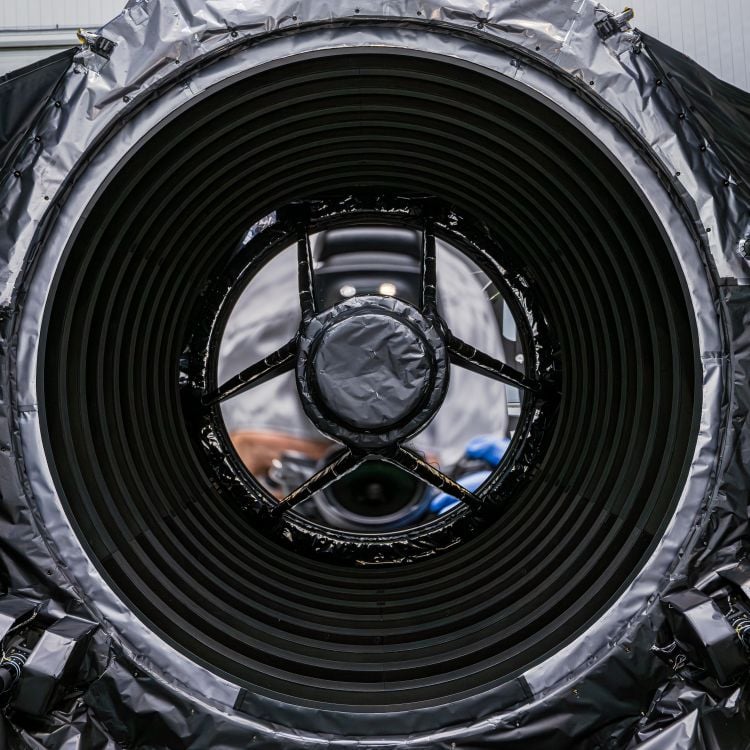
NASA ने Nancy Grace Roman Space Telescope के प्राथमिक दर्पण का अंतिम निरीक्षण पूरा कर लिया है, जिससे एजेंसी के सबसे महत्वपूर्ण आगामी वेधशालाओं में से एक लॉन्च के और करीब पहुंच गई है। 2.4 मीटर व्यास वाला यह दर्पण Roman की near-infrared अवलोकन प्रणाली का केंद्र है और उस मिशन को सहारा देगा, जिसे आधुनिक खगोल विज्ञान के कुछ सबसे गहरे प्रश्नों की पड़ताल के लिए बनाया गया है।
यह निरीक्षण एक साधारण इंजीनियरिंग चेकपॉइंट से अधिक है। Roman को dark matter, dark energy, exoplanet discovery, और galaxies तथा stellar populations के गठन और विकास से जुड़ी चुनौतियों का सामना करने के लिए डिज़ाइन किया गया है। इसलिए दर्पण को उड़ान के लिए मंजूरी मिलना उस मिशन से एक बड़ा तकनीकी अनिश्चितता-कारक हटाता है, जिसे James Webb Space Telescope और पुराने wide-field sky surveys, दोनों का पूरक बनने की उम्मीद है।
infrared विज्ञान के लिए बनाया गया silver-coated प्राथमिक दर्पण
सप्लाइड सोर्स टेक्स्ट के अनुसार, प्राथमिक दर्पण पर लगभग 400 nanometers मोटी silver परत है, जिसे मानव बाल की तुलना में सैकड़ों गुना पतला बताया गया है। यह कोटिंग टेलीस्कोप को near-infrared wavelengths में काम करने में मदद करने के लिए है, जहां Roman अपना अधिकांश वैज्ञानिक कार्य करेगा।
एक space telescope के लिए दर्पण की गुणवत्ता बुनियादी होती है, खासकर ऐसे टेलीस्कोप के लिए जिससे सटीक wide-field observations की उम्मीद की जाती है। Roman केवल snapshots इकट्ठा नहीं करेगा। इसका काम ऐसे data sets तैयार करना है जो cosmology, exoplanet surveys, और दूरस्थ ब्रह्मांड के बड़े पैमाने के statistical studies को सहारा दे सकें। इसके लिए ऐसी optics चाहिए जो न केवल संवेदनशील हों, बल्कि लंबे अभियानों में स्थिर और पूर्वानुमेय भी रहें।
Roman का science case असाधारण रूप से व्यापक है
NASA के Roman के लक्ष्य कई बड़े मोर्चों पर फैले हैं। इनमें सबसे प्रमुख dark matter और dark energy का अध्ययन है, जो वे घटक हैं जिन्हें ब्रह्मांड की संरचना और विस्तार इतिहास को आकार देने वाला माना जाता है, लेकिन जिनके बारे में अभी भी बहुत कुछ स्पष्ट नहीं है। Roman से direct imaging और gravitational microlensing, दोनों के जरिए exoplanets की खोज की भी उम्मीद है, जो इसे अन्य space observatories के साथ मिलकर एक अलग भूमिका देता है।
यह व्यापकता ही Roman को उल्लेखनीय बनाती है। Webb बेहद संवेदनशील observations के लिए चुने गए targets पर केंद्रित है, जबकि Roman sky के बड़े क्षेत्रों का कुशलता से सर्वेक्षण करने के लिए बनाया गया है। व्यावहारिक रूप से इसका अर्थ है कि Roman astronomers को बड़ी populations, patterns, और outliers पहचानने में मदद कर सकता है, ऐसे पैमानों पर जिन्हें narrower-field instruments आसानी से हासिल नहीं कर पाते।
अगला पड़ाव: Kennedy Space Center
अंतिम दर्पण निरीक्षण पूरा होने के बाद NASA टेलीस्कोप को Florida के Kennedy Space Center भेजने की तैयारी कर रहा है। सोर्स टेक्स्ट के अनुसार, मिशन का launch September 2026 में निर्धारित है। यह समयसीमा Roman को near-term calendar की सबसे closely watched space science launches में शामिल करती है।
अंतरिक्ष में पहुंचने के बाद Roman के Sun-Earth Lagrange point 2, या L2, की ओर जाने की उम्मीद है, जो पृथ्वी से लगभग 1.5 million kilometers दूर है। L2 प्रमुख observatories के लिए एक पसंदीदा स्थान बन गया है क्योंकि यह अपेक्षाकृत स्थिर gravitational environment प्रदान करता है और अन्य orbital विकल्पों की तुलना में efficient station-keeping को समर्थन देता है। James Webb Space Telescope भी वहीं काम करता है।
यह स्थान महत्वपूर्ण है क्योंकि बड़े observatories को thermally stable environment, predictable pointing conditions, और एक manageable fuel budget की आवश्यकता होती है। L2 यह संयोजन प्रदान करने में मदद करता है, और यही कारण है कि यह deep-space astronomy के लिए इतना महत्वपूर्ण staging ground बन गया है।
मिशन के लिए एक व्यावहारिक मोड़
Roman टीम के लिए, दर्पण का अंतिम निरीक्षण एक प्रतीकात्मक सीमा भी है। NASA Goddard में Roman के Optical Telescope Assembly Manager J. Scott Smith ने इस क्षण को वह आखिरी समय बताया जब engineering team टेलीस्कोप को देखेगी, इससे पहले कि वह “humanity की आंखें” बन जाए। इस वाक्यांश के पीछे fabrication और validation से transport, integration, और launch operations की ओर एक ठोस बदलाव है।
अक्सर यहीं किसी मिशन का स्वरूप बदलता है। डिजाइन reviews, component work, और test campaigns के वर्षों के बाद handling, shipping, और final assembly से जुड़ी risk management तथा countdown schedules का दौर शुरू होता है। एक टेलीस्कोप जो लंबे समय तक एक engineering project रहा है, operational scientific asset बनना शुरू कर देता है।
यह पड़ाव अभी क्यों महत्वपूर्ण है
Roman उस समय आ रहा है जब astronomy increasingly single all-purpose flagships के बजाय complementary observatories से परिभाषित हो रही है। Webb deep targeted observations के साथ infrared astronomy को बदल रहा है, जबकि ground-based surveys विशाल sky catalogs तैयार कर रहे हैं। Roman की भूमिका depth और breadth के बीच सेतु बनाने की है, जो इतना शक्तिशाली wide-field space-based view देगा कि नए discoveries को प्रेरित कर सके और मौजूदा models को परिष्कृत कर सके।
दर्पण निरीक्षण flawless launch campaign या trouble-free mission की गारंटी नहीं देता, लेकिन यह संकेत जरूर देता है कि Roman के सबसे महत्वपूर्ण components में से एक ने flight-readiness की केंद्रीय बाधा पार कर ली है। Dark energy का अध्ययन करने, exoplanets की छवियां लेने, और galaxy evolution का मानचित्र बनाने के लिए नए उपकरणों का इंतजार कर रहे शोधकर्ताओं के लिए यह एक महत्वपूर्ण विकास है।
यदि बाकी integration और launch चरण योजना के अनुसार चलते हैं, तो Roman जल्द ही लंबे समय से वादे की गई क्षमता से एक working observatory में बदल सकता है। अब जब इसका प्राथमिक दर्पण flight-approved हो चुका है, यह संभावना काफी करीब दिखती है।
यह लेख Universe Today की रिपोर्टिंग पर आधारित है। मूल लेख पढ़ें.
Originally published on universetoday.com