JUICE की बृहस्पति यात्रा में अब तंत्र की सबसे छोटी ज्ञात दुनियाओं में से एक शामिल हो सकती है
बृहस्पति तंत्र में अधिकांश ध्यान विशाल ग्रह के चार गैलिलीयन चंद्रमाओं पर जाता है: आयो, यूरोपा, गेनीमेड और कैलिस्टो। ये ग्रह-विज्ञान में इसलिए प्रमुख हैं क्योंकि ये बड़े हैं, भूवैज्ञानिक रूप से सक्रिय हैं और, यूरोपा के मामले में, पृथ्वी के बाहर रहने योग्य वातावरण की खोज में आकर्षक लक्ष्य हैं। लेकिन यूरोपीय अंतरिक्ष एजेंसी के जुपिटर आइसि मून्स एक्सप्लोरर, या JUICE, के आगमन से पहले रेखांकित एक नए अध्ययन का तर्क है कि बृहस्पति का एक कहीं छोटा साथी भी करीब से देखने लायक हो सकता है।
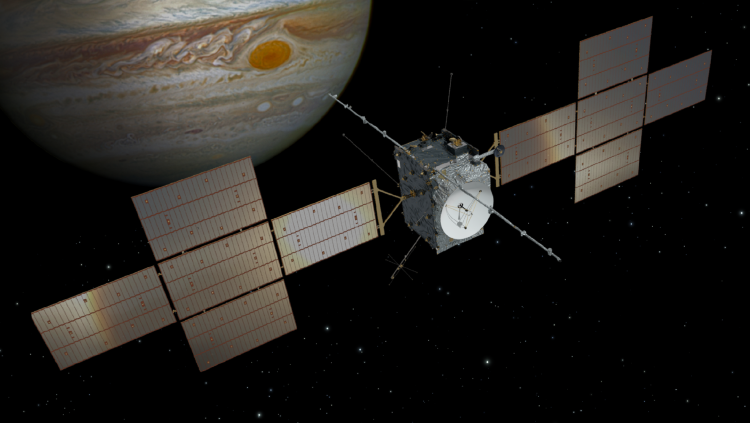
NASA के हबल स्पेस टेलीस्कोप और Gran Telescopio de Canarias का उपयोग करने वाले शोधकर्ताओं ने काल्लिखोरे के मापों को परिष्कृत किया है, जो बृहस्पति का एक छोटा, अनियमित चंद्रमा है और जिसका औसत व्यास लगभग 3.8 किलोमीटर है। Universe Today के अनुसार, यह काम हाल ही में Nature में प्रकाशित हुआ है और इसका उद्देश्य JUICE के उस नियोजित मुठभेड़ में सहायता करना है, जो अंतरिक्षयान के अप्रैल 2031 में जोवियन तंत्र में पहुंचने के बाद होगी।
इस परिणाम का मतलब सिर्फ़ आकार का बेहतर अनुमान नहीं है। टीम ने कक्षीय सीमाओं को भी इतना कस दिया है कि मिशन योजनाकार अब यह अधिक सटीकता से अनुमान लगा सकते हैं कि JUICE जब लक्ष्य साधने की स्थिति में होगा, तब काल्लिखोरे कहाँ होगा। सौरमंडल की सबसे भीड़भाड़ वाली और गतिशील ग्रह प्रणालियों में से एक में काम कर रहे अंतरिक्षयान के लिए यह महत्वपूर्ण है।
इतना छोटा चंद्रमा क्यों मायने रखता है
बाहरी ग्रहों की खोज में इस्तेमाल होने वाले किसी भी मानक के हिसाब से काल्लिखोरे बहुत छोटा है। Universe Today के मुताबिक, गैलिलीयन चंद्रमाओं में सबसे छोटे यूरोपा का व्यास लगभग 3,122 किलोमीटर है, यानी वह काल्लिखोरे से कहीं बड़ा है। फिर भी काल्लिखोरे वैज्ञानिक दृष्टि से एक अलग तरह का मूल्य रख सकता है, ठीक इसलिए क्योंकि वह छोटा और कम जाना-पहचाना है।
इसे एक अनियमित चंद्रमा के रूप में वर्गीकृत किया गया है, यानी इसकी कक्षा बहुत अधिक अंडाकार-रहित नहीं, बल्कि अत्यधिक अनियमित है। माना जाता है कि ऐसे चंद्रमा अवशेष-जैसी वस्तुएं हैं, जिनका इतिहास यह बता सकता है कि सौरमंडल कैसे विकसित हुआ। बड़े चंद्रमाओं के विपरीत, जिन्होंने अपने भीतर या सतह पर बड़े पैमाने पर परिवर्तन झेले हैं, छोटे अनियमित पिंड विशाल समय-अवधियों में अपेक्षाकृत अपरिवर्तित रह सकते हैं। इससे वे उन परिस्थितियों और घटनाओं के उपयोगी अभिलेख बन जाते हैं, जिन्होंने प्रारंभिक सौरमंडल को आकार दिया।
दूसरे शब्दों में, काल्लिखोरे इसलिए दिलचस्प नहीं है कि वह सक्रिय है या रहने योग्य होने की संभावना रखता है। वह इसलिए दिलचस्प है क्योंकि वह पुराना, अंधकारमय और न्यूनतम रूप से परिवर्तित हो सकता है। यही वे गुण हैं जो किसी छोटे पिंड को वैज्ञानिक रूप से मूल्यवान बना सकते हैं।
कठिन जगह पर एक बहुत अंधकारमय लक्ष्य
नई प्रेक्षणों से संकेत मिलता है कि काल्लिखोरे असाधारण रूप से अंधकारमय है। शोधकर्ताओं ने इसका ज्यामितीय अल्बीडो लगभग 0.037, यानी 3.7 प्रतिशत, अनुमानित किया। 0 से 1 के पैमाने पर यह चंद्रमा को कम परावर्तकता वाले छोर के बहुत करीब रखता है। ऐसी अंधकारमयता प्रेक्षण कार्य को कठिन बना सकती है, खासकर तब जब वस्तु छोटी और दूर भी हो।
टीम का क्षेत्र-समतुल्य व्यास लगभग 3.8 किलोमीटर का अनुमान वैज्ञानिकों को वस्तु की चमक और आकार की व्याख्या के लिए अधिक ठोस आधार देता है। Universe Today इस व्यास को उस आकार के रूप में समझाता है जो काल्लिखोरे का तब होता यदि उसके अनियमित स्वरूप को समान प्रभावी क्षेत्र वाले एक पूर्ण गोले से दर्शाया जाए। यह एक छोटे, उबड़-खाबड़ चंद्रमा की तुलना अधिक नियमित पिंडों से करने का व्यावहारिक तरीका है।
हालांकि मिशन योजनाकारों के लिए कक्षीय सुधार अधिक महत्वपूर्ण निकट-अवधि का परिणाम है। इन अद्यतन मापों से पहले, JUICE के नियोजित आगमन के समय काल्लिखोरे के अपेक्षित स्थान में लगभग 272 किलोमीटर की अनिश्चितता थी। नया काम इस त्रुटि-सीमा को लगभग 80 प्रतिशत तक घटा देता है। Universe Today की रिपोर्ट के अनुसार, योजनाकार चाहते हैं कि अक्टूबर 2031 में सफल फ्लाइबाई की संभावना को सार्थक रूप से बढ़ाने के लिए अनिश्चितता लगभग 30 किलोमीटर तक घट जाए।
इसका मतलब है कि अभी और काम बाकी है। लेकिन एक संभावित फ्लाइबाई और एक अव्यावहारिक फ्लाइबाई के बीच का अंतर काफी कम हो गया है।
मुठभेड़ से JUICE को क्या मिल सकता है
JUICE मुख्य रूप से बृहस्पति के बर्फीले चंद्रमाओं, खासकर गेनीमेड, कैलिस्टो और यूरोपा, पर केंद्रित अपने मिशन के लिए जाना जाता है। काल्लिखोरे का एक फ्लाइबाई इस मिशन प्रोफ़ाइल का विस्तार करेगा, क्योंकि यह कहीं छोटे और अधिक आदिम पिंड का नज़दीकी निरीक्षण जोड़ेगा। थोड़ी-सी मुठभेड़ भी वैज्ञानिकों को बृहस्पति के बड़े चंद्रमाओं की तुलना उपग्रहों की एक बिल्कुल अलग श्रेणी से करने में मदद कर सकती है।
यदि अंतरिक्षयान पर्याप्त नज़दीक पहुंच सके, तो शोधकर्ता काल्लिखोरे के आकार, सतही गुणों और गतिकीय इतिहास के अनुमान को और सटीक बना सकते हैं। एक सफल पास यह भी परख सकता है कि अनियमित चंद्रमा कैसे पकड़े गए या बने, और क्या वे पहले की टक्करों से बने टुकड़ों का प्रतिनिधित्व करते हैं या युवा सौरमंडल में घूमने वाले छोटे पिंडों की आबादी के अवशेष हैं।
यह व्यापक संदर्भ महत्वपूर्ण है। बृहस्पति के अनियमित चंद्रमा इस बड़ी पहेली का हिस्सा हैं कि दानव ग्रहों ने उपग्रहों के विविध परिवारों को कैसे प्राप्त किया और उन्हें कैसे बनाए रखा। बेहतर समझा गया काल्लिखोरे इस पहेली को अकेले हल नहीं करेगा, लेकिन वह दूरस्थ प्रेक्षणों से अनुमानित न होकर, यथास्थान एकत्र किया गया एक दुर्लभ डेटा-बिंदु दे सकता है।
छोटे पिंडों का विज्ञान अब अधिक रणनीतिक हो रहा है
काल्लिखोरे प्रयास ग्रह-विज्ञान में एक व्यापक प्रवृत्ति को भी दर्शाता है: छोटे पिंडों को अब केवल अवसर मिलने पर चुने गए द्वितीयक लक्ष्य नहीं माना जाता। उन्हें तेजी से सौरमंडल के इतिहास के रणनीतिक अभिलेख के रूप में देखा जा रहा है। क्षुद्रग्रह, धूमकेतु और अनियमित चंद्रमा गठन-पथ, प्रवासन इतिहास और टकराव संबंधी प्रक्रियाओं को उजागर कर सकते हैं, जिन्हें बड़े, अधिक विकसित संसार छिपा सकते हैं।
यह बदलाव JUICE की तैयारी में स्पष्ट है। अंतरिक्षयान के बृहस्पति तक पहुंचने का इंतज़ार करने के बजाय यह देखने के लिए कि क्या कुछ देखा जा सकता है, शोधकर्ता वर्षों पहले ही अंतरिक्ष और ज़मीन-आधारित दूरबीनों का उपयोग कर एपिमेरिड्स को तेज़ बना रहे हैं और लक्ष्य-निर्धारण को बेहतर कर रहे हैं। यह याद दिलाता है कि बड़े मिशन केवल अंतरिक्षयान पर निर्भर नहीं होते। वे लंबी तैयारी अवधि वाले प्रेक्षण अभियानों पर भी निर्भर करते हैं, जो आगमन से पहले अनिश्चितता घटाते हैं।
इस अर्थ में, काल्लिखोरे एक परीक्षण मामला बन रहा है कि यदि आधार-कार्य पर्याप्त अच्छा हो, तो एक बेहद छोटे लक्ष्य से कितना मूल्य निकाला जा सकता है। 3.8 किलोमीटर चौड़ा एक चंद्रमा सामान्यतः जन-ध्यान से बहुत दूर रहता। लेकिन क्योंकि JUICE उन्नत उपकरणों के साथ जोवियन तंत्र से होकर गुजरने का एक दुर्लभ अवसर देता है, ऐसा छोटा पिंड भी मिशन-प्रासंगिक बन सकता है।
2031 की राह
JUICE के अप्रैल 2031 में बृहस्पति पहुंचने की योजना है, और नियोजित काल्लिखोरे फ्लाइबाई उसी वर्ष बाद में, अक्टूबर 2031 में, स्रोत रिपोर्ट के अनुसार हो सकती है। यह मुठभेड़ अंततः होगी या नहीं, यह चंद्रमा की अनुमानित स्थिति के निरंतर परिष्करण और बृहस्पति तंत्र में अंतरिक्षयान नेविगेशन की सीमाओं पर निर्भर करेगा।
फिर भी, ताज़ा मापों ने दृष्टिकोण को भौतिक रूप से बेहतर बनाया है। काल्लिखोरे की कक्षा के आसपास की अनिश्चितता घटाकर और यह पुष्टि करके कि चंद्रमा कितना छोटा और कितना अंधकारमय है, अध्ययन मिशन टीमों को योजना बनाने का बेहतर आधार देता है। यह कोशिश करने के वैज्ञानिक पक्ष को भी मजबूत करता है।
ग्रह-अन्वेषण में अक्सर ऐसा ही होता है कि उपेक्षित वस्तुएं धीरे-धीरे फोकस में आती हैं: एक साथ नाटकीय खोजों से नहीं, बल्कि माप में क्रमिक सुधारों से, जो भविष्य की मुठभेड़ को संभव बनाते हैं। काल्लिखोरे अभी भी छोटा, धुंधला और दूर है। लेकिन यदि JUICE 2031 में सही प्रक्षेपवक्र पर वहां पहुंचता है, तो वह बृहस्पति की कक्षा में अब तक देखी गई सबसे सूचनाप्रद छोटी दुनियाओं में से एक बन सकता है।
यह लेख Universe Today की रिपोर्टिंग पर आधारित है। मूल लेख पढ़ें.

Originally published on universetoday.com