Humanoid robots factory spectacle से airport experiment की ओर बढ़ रहे हैं
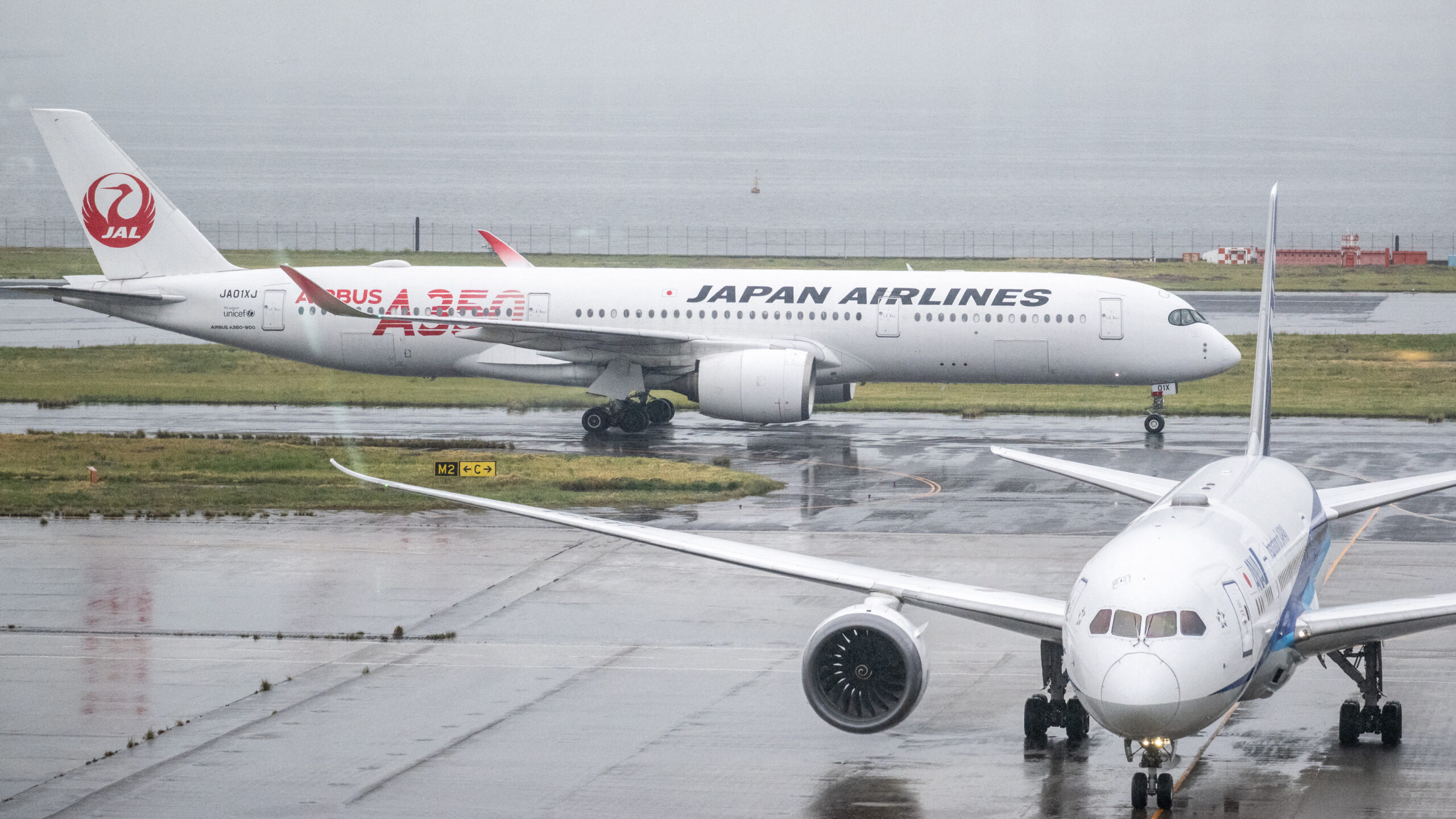
Japan Airlines Tokyo के Haneda Airport पर humanoid robots का एक लंबी अवधि का test तैयार कर रही है, जहां इन machines से luggage sort करने, cargo load करने, और संभवतः aircraft cabin cleaning जैसे अन्य support tasks में मदद लेने की उम्मीद है। Ars Technica के अनुसार, यह demonstration May 2026 में शुरू होने और 2028 तक चलने वाला है, जिससे यह केवल एक बार का publicity stunt नहीं रहता।
यह experiment इसलिए उल्लेखनीय है क्योंकि airports automation के लिए कठिन environments होते हैं। वे व्यस्त, बदलते रहने वाले, safety-sensitive workplaces हैं जो human movement, irregular objects, और बदलती schedules के आसपास बने हैं। Fixed industrial stations के विपरीत, वे आसानी से एक ही repetitive motion तक सीमित नहीं किए जा सकते। यदि humanoid robots वहां सीमित utility tasks भी कर पाते हैं, तो यह real service settings में general-purpose machines तैनात करने की दिशा में एक महत्वपूर्ण कदम होगा।
Airports एक आकर्षक test case क्यों हैं
Japan Airlines इस trial को labor shortage और visitor numbers में वृद्धि के संदर्भ में प्रस्तुत कर रही है। यह संयोजन महत्वपूर्ण है। Labor scarcity automation में निवेश को उचित ठहरा सकती है, भले ही technology अभी पूरी तरह परिपक्व न हो, और transportation hubs एक high-visibility setting देते हैं जहां operational gains आसानी से दिखाई देते हैं। यदि कोई robot baggage move कर सकता है, cargo-adjacent work संभाल सकता है, या major infrastructure changes के बिना cleaning में मदद कर सकता है, तो economics का परीक्षण करना आसान हो जाता है।
Ars Technica के अनुसार, JAL Ground Service demonstration की निगरानी के लिए GMO AI & Robotics Corporation के साथ काम कर रहा है, और कंपनियां Unitree Robotics तथा UBTECH Robotics के humanoid robots का परीक्षण करने की योजना बना रही हैं। रिपोर्ट कहती है कि Japan Airlines यह जानना चाहती है कि क्या recent AI models से संचालित ऐसे systems dedicated stations या significant workplace modification के बिना human workspaces के अनुसार खुद को ढाल सकते हैं।
यही humanoid form factor का केंद्रीय वादा है। Factories लंबे समय से specialized robots के साथ सफल रहे हैं क्योंकि environment उनके अनुसार बनाया जाता है। Humanoid robotics एक अलग दांव लगाती है: machine को मौजूदा human environments के लिए ढाला जाए। Airports, जिनमें ramps, carts, compartments, और mixed indoor-outdoor logistics शामिल हैं, इस दावे के लिए एक मजबूत proving ground हैं।

चुनौती अब भी वास्तविक है
लेख मौजूदा क्षमता को बढ़ा-चढ़ाकर नहीं बताता। Humanoid robots robotic arms या conventional warehouse systems की तुलना में अभी भी काफी कम सिद्ध हैं। उनके कार्य अधिक कठिन हैं, उनके environments अधिक open-ended हैं, और उनकी physical reliability कम निश्चित है। Ars का कहना है कि जबकि अधिक predictable settings में robotic productivity पहले से स्थापित है, humanoids उन जगहों पर कठिन चुनौती का सामना करते हैं जहां परिस्थितियां लगातार बदलती रहती हैं।
यह realism आवश्यक है। Hangar में किया गया staged demo किसी live airport में भरोसेमंद shift work के बराबर नहीं है। Baggage handling में irregular shapes, time pressure, physical maneuvering, और safety constraints शामिल होते हैं। जब कार्य सरल दिखते हैं, तब भी balance, manipulation, और consistent operation में अभी भी संघर्ष करने वाली machines के लिए उनका संयोजन चुनौतीपूर्ण हो सकता है।
Cost भी एक factor है। रिपोर्ट बताती है कि humanoid robots की कीमत आमतौर पर प्रति unit tens of thousands of dollars होती है, हालांकि कुछ manufacturers ने कीमतें कम की हैं। इसका मतलब है कि business case केवल technological success पर नहीं, बल्कि utilization, maintenance, और scarce human labor को replace या augment करने के मूल्य पर भी निर्भर करता है।
Multi-year trial क्यों मायने रखता है
2028 तक की planned duration इस बात का एक मजबूत संकेत है कि airline इसे novelty deployment के बजाय एक गंभीर evaluation के रूप में देख रही है। Multi-year tests operators को यह आकलन करने देते हैं कि robots किसी task को सिर्फ एक बार नहीं, बल्कि समय के साथ scheduling, supervision, maintenance, और safety routines में कैसे integrate होते हैं।
ये broader industry को एक अधिक meaningful signal देखने का अवसर भी देते हैं: क्या humanoid automation एक वास्तविक transport environment में friction कम करती है, या labor benefits से अधिक नई complexity की परतें जोड़ देती है? यह उत्तर aviation से परे भी महत्वपूर्ण होगा। Logistics hubs, warehouses, और service operations सभी एक ही चीज़ चाहते हैं: ऐसे adaptable machines जो वहीं काम कर सकें जहां लोग पहले से काम करते हैं।
Japan इस प्रश्न को आगे बढ़ाने के लिए एक तार्किक स्थान है। देश का robotics industry मजबूत है, और demographic तथा labor pressures automation को रणनीतिक रूप से आकर्षक बनाते हैं। एक major airline द्वारा airport trial इसी बड़े संदर्भ में फिट बैठता है।
इस experiment का महत्व इसलिए नहीं है कि humanoid robots जल्द ही हर जगह baggage crews की जगह ले लेंगे। ऐसा नहीं है। महत्व इस बात में है कि दुनिया के सबसे व्यस्त transportation settings में से एक का उपयोग यह परखने के लिए किया जा रहा है कि क्या humanoid systems ध्यान खींचने वाले prototypes से उपयोगी operational tools तक पहुंच सकते हैं। यदि वे airport work के एक संकीर्ण हिस्से को भी भरोसेमंद ढंग से संभाल लेते हैं, तो यह real-world robotics के लिए एक महत्वपूर्ण milestone होगा।
यह लेख Ars Technica की रिपोर्टिंग पर आधारित है। मूल लेख पढ़ें.

Originally published on arstechnica.com